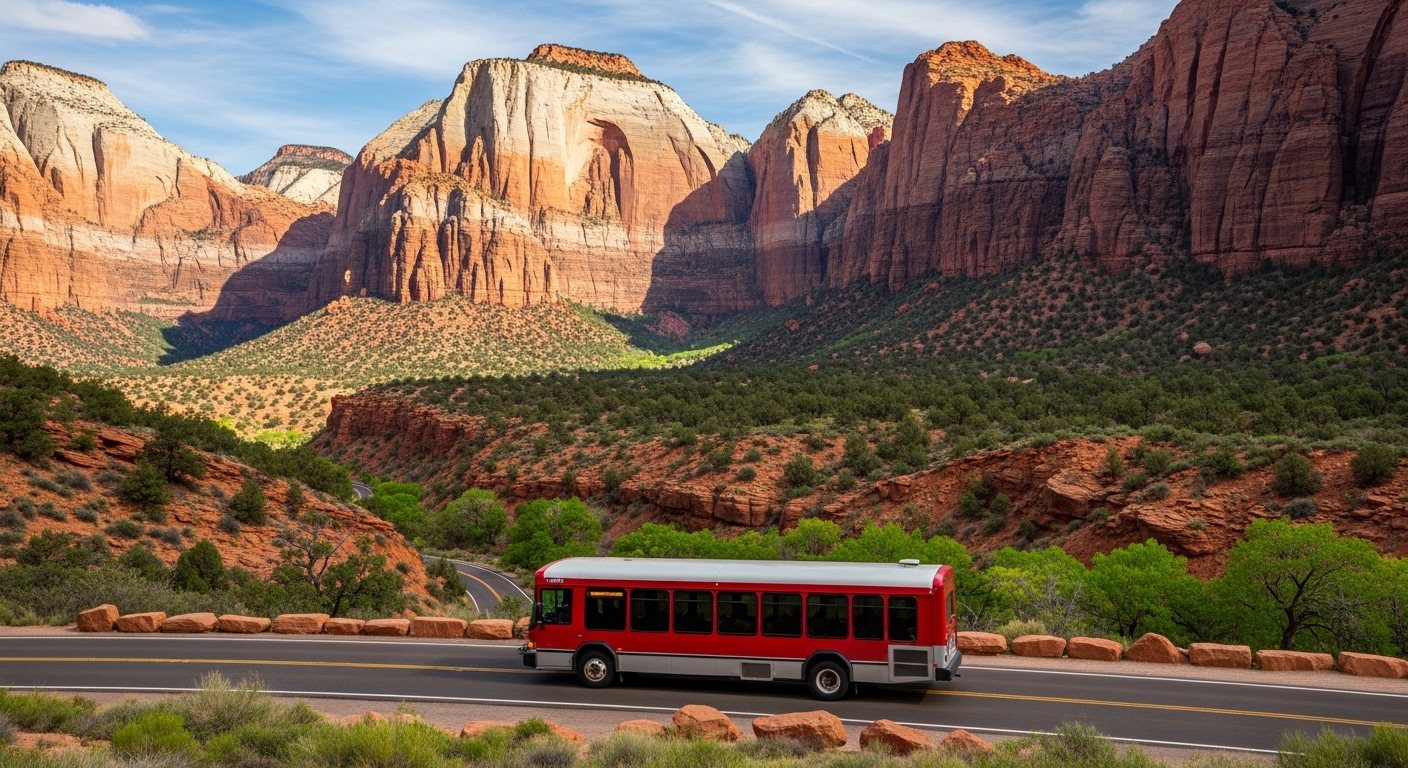
When most people think about visiting national parks, they picture loading up the car, filling the gas tank, and hitting the open road. But here’s a secret: you don’t actually need a car to enjoy many of these incredible natural wonders. In fact, exploring national parks by public transit can be one of the most stress-free, eco-friendly, and budget-friendly ways to travel.
Public buses, shuttles, and even trains connect directly to or operate within some of the most iconic national parks in the world. Whether you’re a solo traveler, a student without a car, or just someone who prefers sustainable travel, this guide will walk you through how exploring national parks by public transit works—and why it might be the best travel hack you haven’t tried yet.
Why Choose Public Transit for National Parks?
Before diving into the how-to, let’s talk about the “why.” Taking public transit to national parks comes with several benefits:
- Eco-friendly: Fewer cars mean lower carbon emissions and less impact on the environment.
- Budget-friendly: No gas, no rental fees, no pricey parking permits.
- Stress-free: Forget about navigating unfamiliar roads or fighting for parking spots.
- Inclusive: Perfect for travelers who don’t drive or don’t own a car.
In short, exploring national parks by public transit is a win for both you and the planet.
Top National Parks Accessible by Public Transit
Not every park is transit-friendly, but many have excellent systems in place. Here are some of the best options:
1. Yosemite National Park (California, USA)
Yosemite is a pioneer in sustainable transport. The YARTS (Yosemite Area Regional Transportation System) connects nearby towns and Amtrak stations directly to the park. Once inside, free shuttles take you to trailheads, waterfalls, and lodges. Exploring Yosemite by public transit means you’ll spend more time enjoying Half Dome views and less time worrying about parking.
2. Zion National Park (Utah, USA)
Zion bans most private cars during its busy season, so the shuttle system is not just an option—it’s essential. These frequent, free buses stop at key trailheads like Angels Landing and The Narrows, making exploring Zion by public transit incredibly convenient.
3. Banff National Park (Alberta, Canada)
In Banff, shuttles connect the town to famous sites like Lake Louise and Moraine Lake. This makes exploring Banff by public transit one of the easiest ways to see turquoise lakes without dealing with limited parking.
4. Grand Canyon National Park (Arizona, USA)
The South Rim offers shuttle buses that stop at scenic overlooks, visitor centers, and trailheads. Amtrak and Greyhound also connect travelers from cities like Flagstaff, making exploring the Grand Canyon by public transit surprisingly easy.
5. Kruger National Park (South Africa)
Many tour buses and shuttles leave from Johannesburg and Pretoria to Kruger’s gates, where guided safari vehicles take over. For international travelers, exploring Kruger by public transit removes the stress of driving in a new country.

How to Plan Your Trip Using Public Transit
Planning a transit-based national park trip takes a bit of strategy. Here are the key steps:
- Research connections: Check if buses, trains, or shuttles operate from the nearest city or airport.
- Check schedules: Transit systems may run less frequently outside peak seasons, so align your arrival times.
- Book in advance: Some shuttle systems (like Banff’s Moraine Lake shuttle) require reservations.
- Pack light: Since you’ll be hopping on and off buses, smaller luggage makes life easier.
- Plan for flexibility: Build in time for transit delays so you don’t miss key activities.
Tips for Exploring Parks Without a Car
- Stay near transit hubs—lodges or towns close to shuttle stops save you time and money.
- Download offline maps so you don’t depend on patchy park Wi-Fi.
- Ask rangers and drivers—they often know shortcuts or the best quiet hours at attractions.
- Use transit time to relax, read, or just enjoy the scenery.
The Future of Car-Free National Park Travel
As more parks adopt shuttle systems to combat overcrowding, exploring national parks by public transit is likely to become even more common. It’s part of a bigger trend toward sustainable tourism, where protecting natural beauty goes hand in hand with visitor experience.
If you’ve always assumed you need a car to visit these incredible places, think again. Exploring national parks by public transit opens up new possibilities for budget travelers, eco-conscious adventurers, and anyone who just wants to focus on the journey instead of the parking lot.
Have you ever explored a national park using public transit? Which one was your favorite experience? Share your stories in the comments below—and don’t forget to follow us on our social media platforms for more travel inspiration!
Catch up on the top stories and travel deals by subscribing to our newsletter!