
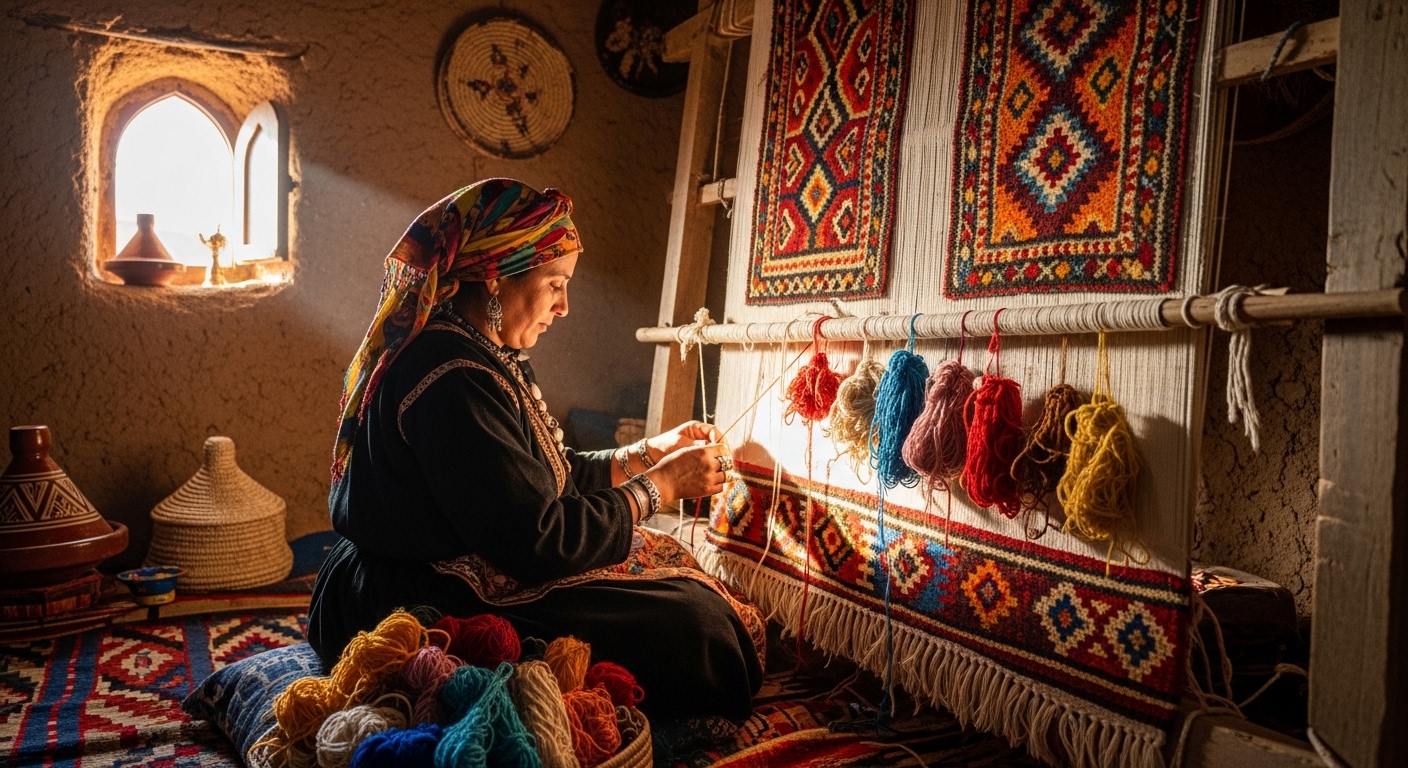
There is something unforgettable about traveling through regions known for handmade textiles. The colors feel richer. The patterns seem alive. The stories woven into each thread carry generations of memory, resilience, and identity. When you travel to places where textiles are still handmade, you are not just shopping for fabric. You are stepping into workshops, villages, and cultural legacies that have survived centuries of change.
Have you ever touched a handwoven scarf and wondered who made it? Or watched an artisan dye yarn using plants grown just outside their home? Across the world, textile traditions continue to thrive in mountain villages, desert towns, and riverside communities. In this guide by WentWorld.com, we explore what makes these regions so special, where you can find them, and how traveling through them becomes a deeply personal cultural experience.
Why Handmade Textiles Matter More Than Ever
In a world dominated by fast fashion and mass production, handmade textiles offer something rare: authenticity. They reflect patience, skill, and cultural storytelling. Each piece carries the mark of its maker. No two items are exactly the same.
When traveling through regions known for handmade textiles, you begin to understand how fabric can represent identity. Patterns often symbolize family lineage, tribal belonging, social status, or even life milestones. In many communities, weaving techniques are passed down from parent to child, preserving knowledge that cannot be replicated by machines.
Would you value your clothing differently if you knew the face and story behind its creation?
Morocco: The Magic of Berber Carpets
In the Atlas Mountains of Morocco, weaving is more than craft—it is heritage. Berber women create intricate rugs using techniques that date back hundreds of years. Natural wool is dyed with saffron, indigo, henna, and pomegranate skins, creating earthy yet vibrant tones.
Travelers exploring Morocco through resources like Visit Morocco often find that visiting weaving cooperatives becomes the highlight of their journey. Sitting inside a modest home, watching a loom in motion, you realize that each knot is tied by hand. Each pattern tells a family story.
When traveling through regions known for handmade textiles like Morocco, bargaining in markets is common—but appreciation matters even more. Respect the time and labor invested in every piece.
India: The Living Legacy of Handloom
India is one of the world’s most diverse textile destinations. From Banarasi silk in Varanasi to Kanchipuram sarees in Tamil Nadu, each region offers distinctive weaving styles. In Rajasthan and Gujarat, block printing and tie-dye techniques transform simple cotton into artistic masterpieces.
The Indian government’s handloom initiatives and platforms like Incredible India actively promote textile tourism. Travelers can visit artisan villages, attend dyeing workshops, and even try weaving under expert guidance.
Have you ever worn something that required weeks to produce? In India’s textile hubs, a single saree may take over a month to complete. That kind of dedication changes how you perceive value.

Peru: Weaving Stories in the Andes
High in the Andes Mountains, Peruvian communities continue weaving traditions that predate the Inca Empire. Alpaca and sheep wool are spun and dyed using native plants and minerals. The resulting textiles are rich in geometric patterns symbolizing mountains, rivers, and ancestral myths.
Organizations supported by platforms like Peru Travel encourage responsible tourism, allowing visitors to engage directly with weaving communities. Workshops provide hands-on experiences while ensuring fair compensation for artisans.
Traveling through regions known for handmade textiles like Peru offers more than souvenirs. It offers connection. You witness how ancient knowledge survives in modern times.
Japan: Precision and Patience in Fabric
Japan’s textile culture blends precision with artistry. Techniques such as shibori dyeing and Nishijin weaving in Kyoto demonstrate remarkable attention to detail. Artisans dedicate years to mastering these crafts.
Visitors can explore textile museums and workshops listed on Japan National Tourism Organization. Observing a kimono being woven is mesmerizing. The coordination between threads, patterns, and symbolism reflects deep cultural philosophy.
Do you think slow craftsmanship has a place in today’s fast-paced world? Japan proves that tradition and modernity can coexist beautifully.
Guatemala: Colorful Threads of Identity
Guatemala’s indigenous communities produce some of the most vibrant textiles in Central America. Traditional huipiles (blouses) are woven on backstrap looms, often incorporating symbols representing local legends and spiritual beliefs.
Markets in towns like Chichicastenango burst with color, but visiting villages offers a deeper understanding of the weaving process. Each region has its own distinct motifs, making textiles a powerful marker of identity.
When traveling through regions known for handmade textiles, you begin to recognize patterns not just as decoration, but as language.
Turkey: Carpets Along the Silk Road
Turkey’s position along the historic Silk Road made it a crossroads of textile innovation. Turkish carpets, kilims, and embroidery reflect influences from Asia, Europe, and the Middle East.
Exploring markets in Istanbul or Cappadocia reveals workshops where looms have been operating for generations. Travelers arriving via Turkish Airlines often find textile tours integrated into cultural travel itineraries.
Imagine walking into a centuries-old caravanserai and watching artisans knot wool exactly as traders did hundreds of years ago. That is the magic of textile travel.

How Textile Tourism Supports Local Economies
Traveling through regions known for handmade textiles directly supports artisan communities. Purchasing directly from weavers ensures income reaches families rather than intermediaries. Workshops, cultural tours, and textile festivals create sustainable economic opportunities.
However, ethical tourism is essential. Always ask before photographing artisans. Learn about fair pricing. Support cooperatives and certified groups when possible.
Would you rather buy a factory-made scarf at a mall, or one woven by someone whose story you know?
The Emotional Power of Handmade Textiles
There is an emotional depth to handmade textiles that factory products cannot replicate. The slight irregularities, the texture of handspun yarn, the subtle variations in color—all signal authenticity.
Traveling through regions known for handmade textiles transforms souvenirs into memories. That rug in your living room becomes a reminder of Moroccan tea shared with weavers. That scarf recalls an Andean sunrise. That kimono fabric echoes Kyoto’s quiet streets.
Isn’t that what travel is truly about—bringing stories home?
Tips for Planning a Textile-Focused Journey
- Research regional textile traditions before arrival.
- Visit artisan cooperatives instead of only tourist markets.
- Take a workshop to understand the craft process.
- Pack light so you can bring textiles home safely.
- Respect cultural meaning behind patterns and garments.
Textile travel requires curiosity more than luxury. It invites you to slow down, observe, and appreciate.
Have you ever traveled specifically to explore handmade crafts? If not, would you consider planning a trip centered around textiles?
We would love to hear your thoughts. Share your experiences or dream destinations in the comments below. And follow WentWorld.com on our social media platforms for more immersive cultural travel stories that celebrate tradition, craftsmanship, and meaningful exploration.
Catch up on the top stories and travel deals by subscribing to our newsletter!










Leave a Reply
You must be logged in to post a comment.