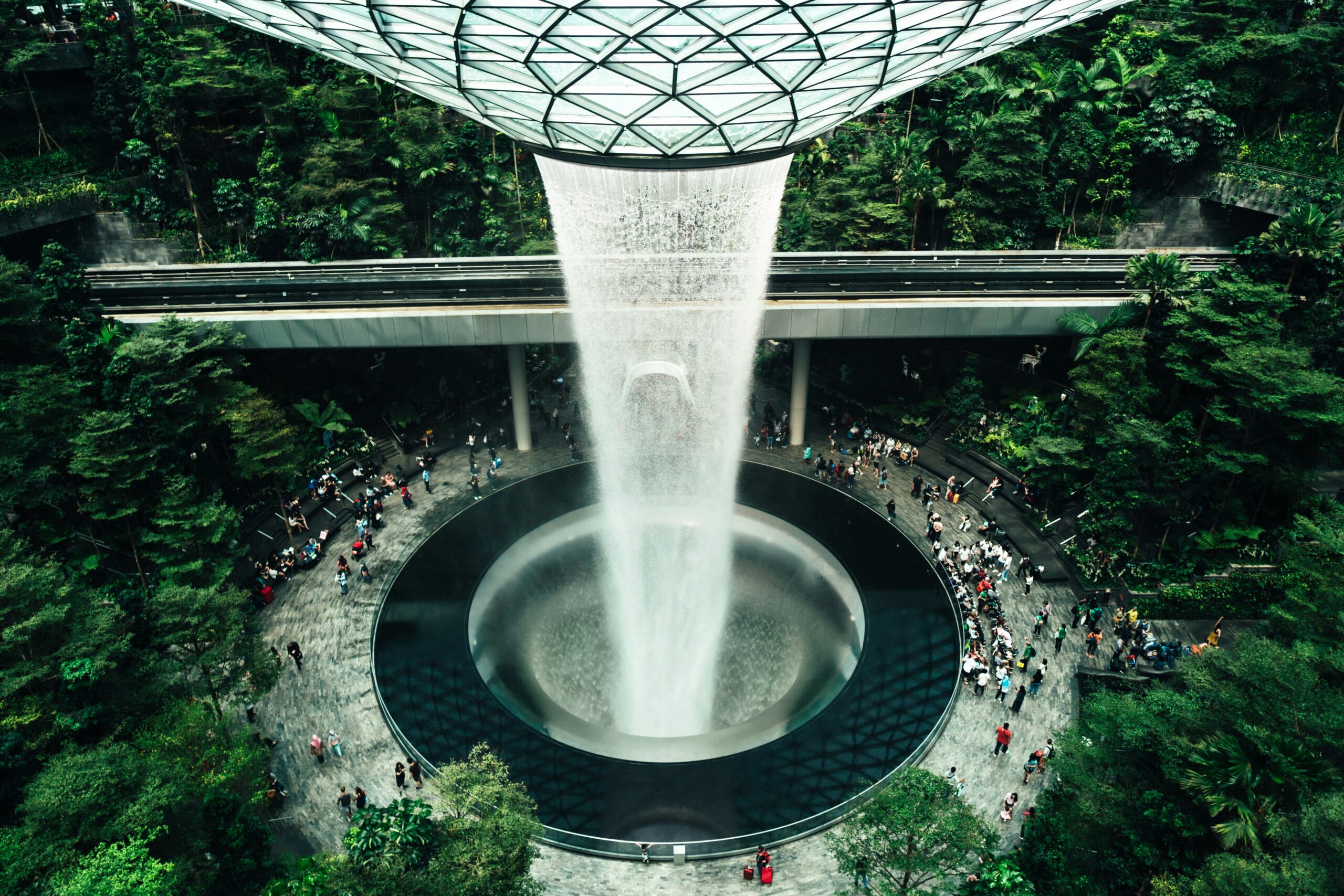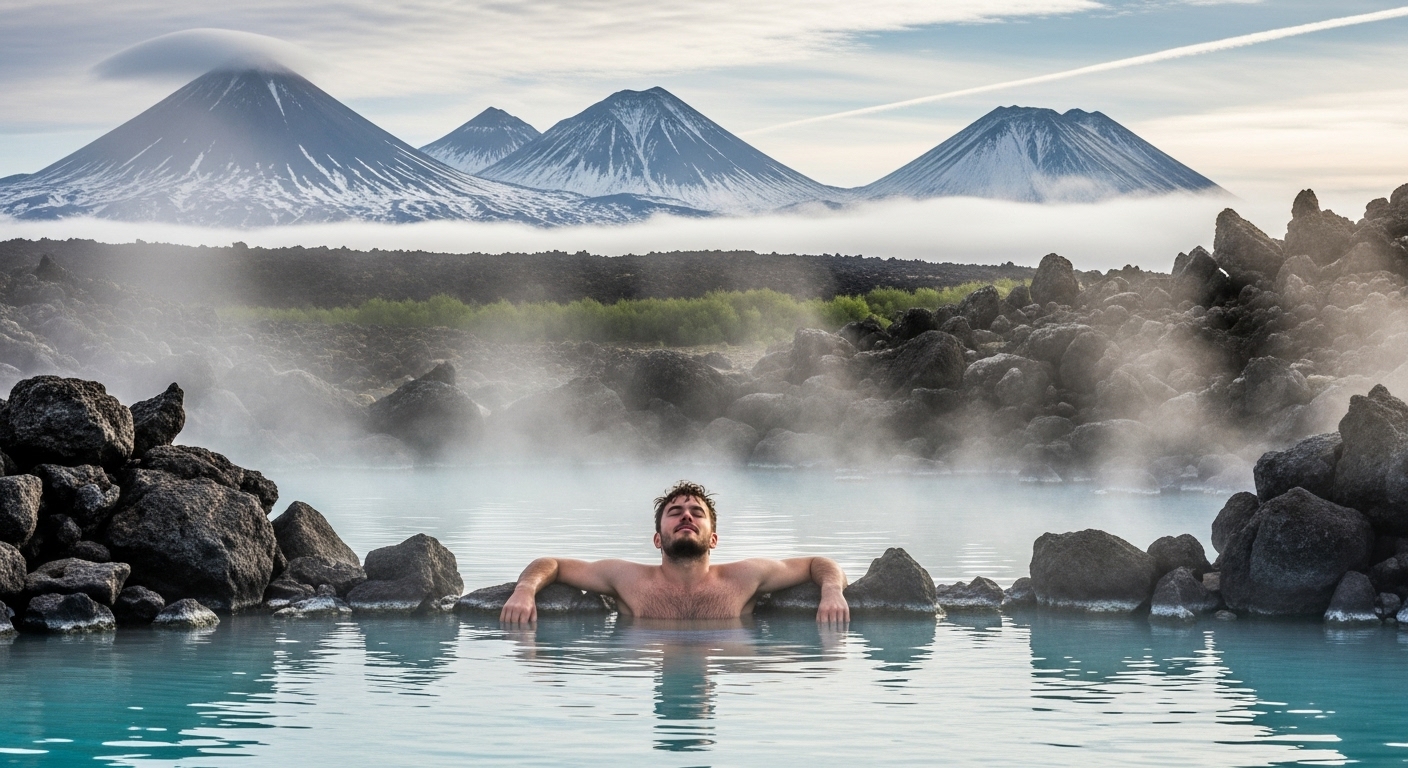
Imagine relaxing in a naturally heated pool, surrounded by mist and mountains, while the earth itself warms your skin. That’s the magic of geothermal vacations — trips that connect you to the planet’s most powerful, natural energy source. Whether you’re soaking in Iceland’s famous Blue Lagoon, dining in a greenhouse in Japan, or staying in a geothermal-powered eco-lodge in New Zealand, there’s something truly grounding about letting nature recharge you.
But what exactly makes geothermal vacations so special? Why are more travelers swapping crowded beaches for steamy mineral pools and sustainable retreats? And where in the world can you find the most authentic experiences powered by the earth itself?
Let’s dive deep — literally and figuratively — into the world of geothermal travel, where relaxation meets sustainability and the line between luxury and nature completely disappears.
What Exactly Is a Geothermal Vacation?
In simple terms, geothermal vacations are trips centered around natural heat from the Earth’s core. “Geo” means earth, and “thermal” means heat — so whether it’s bathing in hot springs, staying in geothermal-powered lodges, or visiting greenhouses that grow fresh produce year-round, it’s all about harnessing that underground warmth.
The concept isn’t new — ancient civilizations like the Romans and Japanese were early adopters of hot spring culture — but today, geothermal travel has evolved. It’s now one of the most sustainable and rejuvenating ways to explore the planet, combining eco-conscious living with relaxation and wellness.
So, if you’ve ever dreamed of a vacation that’s good for both your body and the environment, geothermal vacations might be the perfect fit.
Why Geothermal Vacations Are the Future of Sustainable Travel
As climate awareness grows, travelers are seeking eco-friendly alternatives that don’t sacrifice comfort. Geothermal energy is one of the cleanest sources on Earth — it doesn’t rely on fossil fuels and emits almost no greenhouse gases. Many hotels, spas, and resorts are switching to geothermal heating for water, electricity, and even cooking.
In Iceland, for example, nearly 90% of homes are powered by geothermal energy. When you stay there, you’re not just experiencing hot springs — you’re part of a country that runs almost entirely on renewable heat from below the ground. Talk about guilt-free indulgence!
Plus, there’s the undeniable wellness aspect. The mineral-rich waters of natural hot springs are believed to relieve muscle pain, improve circulation, and reduce stress. You’re not only helping the planet — you’re helping yourself too.
Hot Springs Around the World Worth Traveling For
If you’ve ever sunk into a steaming pool beneath a snowy sky, you know why hot springs have captivated humans for millennia. But not all hot springs are created equal. Some are hidden in forests, others are surrounded by volcanoes, and a few have turned into luxury spa destinations. Here are a few must-visit spots for your next geothermal vacation:
- Iceland’s Blue Lagoon: Possibly the world’s most famous geothermal spa, it’s not just beautiful — it’s a symbol of sustainability, powered by nearby geothermal plants. The milky-blue silica waters are said to work wonders for your skin.
- Beppu, Japan: A hot spring town with more than 2,000 natural baths! Each one has a unique mineral makeup and aesthetic — from “mud baths” to “steam cooking” where locals prepare meals over natural vents.
- Rotorua, New Zealand: Known as the country’s geothermal capital, Rotorua offers everything from geysers and mud pools to luxury thermal spas surrounded by Maori culture.
- Pamukkale, Turkey: Famous for its white travertine terraces that look like frozen waterfalls, this UNESCO World Heritage site is a natural wonder and a photographer’s dream.
- Yellowstone, USA: Home to Old Faithful and countless hot springs, this is where geothermal power meets raw wilderness — though swimming here is strictly off-limits for safety reasons!
Greenhouses: Dining and Growing the Geothermal Way
Here’s where things get fascinating — geothermal energy isn’t just for spas. In several countries, it’s used to grow crops and heat restaurants sustainably. Imagine dining in a glass greenhouse while snow falls outside, surrounded by lush green plants that thrive thanks to underground heat. Sounds surreal? It’s very real.

In Iceland, geothermal greenhouses produce tomatoes, cucumbers, and even bananas in a landscape that’s otherwise cold and barren. The famous Friðheimar greenhouse restaurant lets visitors enjoy tomato soup made from crops grown on-site — heated entirely by geothermal water. Talk about farm-to-table taken to the next level!
Japan, too, uses geothermal energy to heat greenhouses and even aquaculture farms. The concept is spreading fast, showing that sustainability and gastronomy can go hand in hand.
Eco-Spas and Wellness Retreats Powered by the Earth
Geothermal wellness isn’t limited to natural springs anymore — it’s now an entire industry focused on holistic, sustainable self-care. Across Europe, Asia, and North America, eco-spas are harnessing the earth’s warmth to offer treatments that rejuvenate both body and mind.
Picture this: you’re in a geothermal spa in Tuscany, soaking in mineral pools before moving to a massage room warmed by natural heat pipes beneath the floor. Or maybe you’re in a Scandinavian retreat, alternating between a hot pool and a cold waterfall, letting the contrast boost your circulation and focus.
These experiences remind us that true luxury doesn’t have to harm the planet — it can flow naturally, from the core of the Earth itself.
Geothermal Adventures Beyond Relaxation
Who says geothermal travel is only about soaking in hot water? Many destinations offer adventure-based experiences built around geothermal zones. In Rotorua, for instance, you can zipline over steaming vents or hike through sulfur-crusted trails that look like something from another planet. In Iceland, guided tours take you through lava tunnels where steam rises from the ground — a raw reminder of the planet’s power.
Even in the U.S., states like Nevada and California are expanding geothermal tourism with off-the-grid glamping resorts powered entirely by underground heat. These places prove that adventure and sustainability can coexist beautifully.
How to Plan a Geothermal Vacation
Planning your first geothermal vacation? Here are a few tips to make it easy and unforgettable:
- Research local regulations: Not all hot springs are safe or open to the public. Always check before you go.
- Bring the right gear: A quick-dry towel, water shoes, and a bathing suit that can handle mineral-rich waters are essentials.
- Respect nature: Avoid soaps, oils, or anything that can contaminate natural waters.
- Stay eco-conscious: Choose accommodations that use renewable energy or practice sustainable hospitality.
- Hydrate: Hot springs can be dehydrating, so drink plenty of water before and after your soak.
And most importantly, plan for downtime. Geothermal travel is as much about slowing down as it is about exploring. Let yourself breathe, unwind, and connect with the planet.

Destinations Leading the Way in Geothermal Tourism
Some countries have truly embraced geothermal travel — not just for tourism, but as a way of life. Here are a few top picks if you want a full immersion:
- Iceland: The world’s geothermal capital. Nearly everything runs on geothermal power — from homes to swimming pools.
- New Zealand: Adventure meets sustainability, especially in Rotorua and Taupo, where geothermal parks and spas blend seamlessly.
- Japan: The art of “onsen” (hot spring bathing) is deeply rooted in Japanese culture — a must-experience for any traveler.
- Italy: Tuscany’s geothermal valleys host some of Europe’s best thermal baths and eco-resorts.
- Costa Rica: Known for its volcanic landscapes and natural hot springs, especially around Arenal Volcano.
Eco-Friendly Lodging: Staying Warm the Smart Way
When booking a stay for your geothermal vacation, look for hotels or lodges that explicitly mention geothermal heating. These properties often feature radiant floor heating, geothermal-powered pools, and energy-efficient construction. It’s a great way to support green tourism while enjoying added comfort.
In Iceland, even budget hostels often use geothermal power, meaning your warm shower is literally fueled by volcanic energy. It’s sustainability you can feel — quite literally — on your skin.
Can You Build Your Own Geothermal Experience?
Here’s a thought: what if you created your own mini geothermal retreat? Many travelers are now seeking DIY wellness experiences by combining geothermal stays with activities like meditation, journaling, or forest bathing. You don’t need a fancy resort to reconnect with nature — sometimes all it takes is a quiet place and a warm spring.
So next time you’re planning a trip, why not center it around natural energy? Whether it’s a road trip through hot spring towns or a wellness retreat powered by geothermal heat, the planet is literally offering you warmth — all you have to do is accept it.
In a world that’s always rushing, geothermal vacations remind us to slow down. To breathe. To reconnect — not just with the planet, but with ourselves. Every bubble of hot water and puff of steam is a reminder that nature provides everything we need to heal, recharge, and feel alive.
So, where will your next geothermal vacation take you? Iceland? Japan? Somewhere off the beaten path? We’d love to hear about your dream destination — share your thoughts and travel stories in the comments below! And don’t forget to follow us on our social media platforms for more travel inspiration, sustainable guides, and hidden gems from around the world. Your next adventure might just be bubbling beneath the surface.
Catch up on the top stories and travel deals by subscribing to our newsletter!