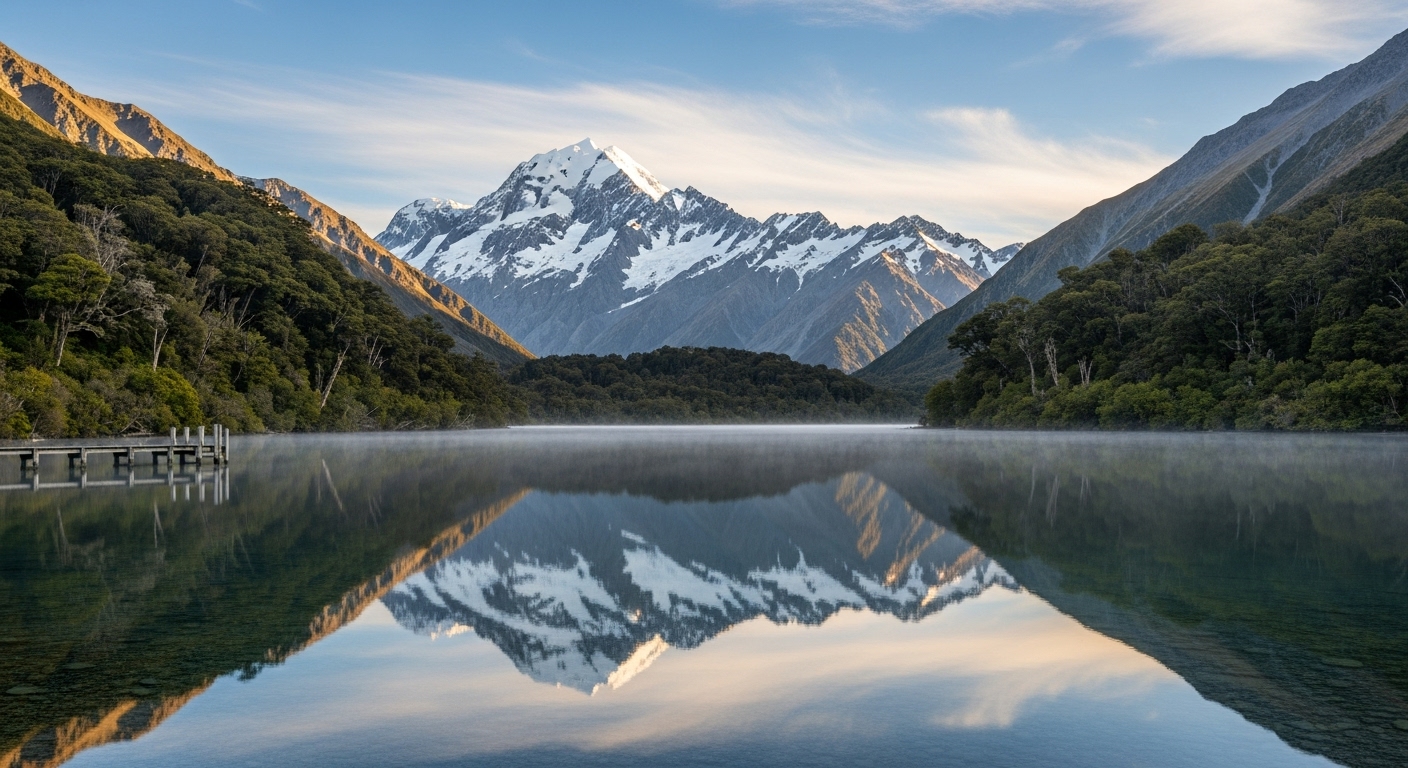
Imagine standing at the edge of a lake so calm, so pristine, that the mountains, sky, and clouds above reflect perfectly on its surface. It’s almost as if you’ve entered a parallel world. These natural wonders are known as the world’s largest mirror lakes, and they offer some of the most breathtaking photo opportunities on the planet.
Mirror lakes are not just beautiful; they’re serene, mystical, and often surrounded by landscapes that inspire awe. From snow-capped peaks to colorful skies, these lakes reflect nature in its purest form. But capturing them perfectly in a photograph requires understanding light, perspective, and timing.
If you love nature, photography, or just want to witness landscapes that seem unreal, this guide to the world’s largest mirror lakes will inspire your next adventure.
What Makes a Mirror Lake?
A mirror lake is defined by its still surface that reflects the surrounding environment like glass. Calm weather, minimal wind, and clear water are key factors. Some lakes achieve this naturally, while others require specific conditions to form the perfect mirror effect.
Have you ever taken a photo of water reflecting a mountain or sunset? The difference between an ordinary reflection and a true mirror effect lies in stability, clarity, and perspective.
Why Photographers Love Mirror Lakes
Mirror lakes create endless possibilities for creative photography:
- Symmetry: Perfect reflection creates visually striking compositions
- Minimalism: The glassy surface reduces distractions in images
- Light play: Early morning or sunset light enhances color and reflection
- Versatility: Landscapes, wildlife, and sky reflections can all be captured
Photographers often chase mirror lakes worldwide, seeking locations that transform ordinary landscapes into surreal masterpieces.
The World’s Largest Mirror Lakes
Let’s explore some of the most famous world’s largest mirror lakes and what makes them unique.
1. Lake Baikal, Russia
Lake Baikal, the deepest lake in the world, becomes a giant mirror during calm winter days when its surface freezes perfectly. Reflections of snow-covered mountains and clear skies create one of the most extraordinary sights in nature. Ice formations and unique patterns on the frozen surface make photography even more fascinating. More information for travelers is available at Visit Russia.
2. Lake Pukaki, New Zealand
Located in New Zealand’s South Island, Lake Pukaki is famous for reflecting Mount Cook and the Southern Alps. Turquoise waters caused by glacial sediments enhance the mirror effect. Early mornings are ideal for capturing reflections before wind disturbs the surface.
3. Salar de Uyuni, Bolivia
The world’s largest salt flat, Salar de Uyuni, transforms into a colossal mirror after rainfall. The thin layer of water covering the salt flat creates perfect reflections of the sky. Photographers flock here during the rainy season to capture clouds, people, and vehicles reflected as if floating in the sky. Bolivia tourism details: Bolivian Life.
4. Lake Matheson, New Zealand
Known as the “Mirror Lake,” Lake Matheson in New Zealand offers reflections of Mount Cook and Mount Tasman. Surrounded by rainforest, the lake’s still waters in the morning or evening create perfect symmetry, making it one of the most photographed lakes in the world.
5. Lake Tekapo, New Zealand
Another South Island gem, Lake Tekapo features turquoise waters with surrounding mountains reflected perfectly on calm days. Its iconic Church of the Good Shepherd adds a unique element for photographers looking for foreground subjects with mirrored backgrounds.
6. Lake McDonald, USA
Located in Glacier National Park, Montana, Lake McDonald becomes a mirror under calm conditions. Towering mountains and pine forests reflect beautifully, especially at sunrise or sunset. Official park info: NPS Glacier National Park.

How to Photograph Mirror Lakes Perfectly
Capturing mirror lakes in their full glory is an art. Here are essential tips for photographers:
- Timing: Early morning or late afternoon is ideal for calm water and soft light
- Weather: Look for windless days; even small ripples disrupt reflections
- Perspective: Use low angles close to the water to enhance symmetry
- Composition: Include mountains, clouds, or interesting foregrounds
- Camera Settings: Use a tripod, long exposure, and low ISO for crisp reflections
Experiment with angles, and don’t forget to enjoy the view beyond your lens!
Seasonal Changes Affect Mirror Lakes
Many of the world’s largest mirror lakes change dramatically with seasons:
- Winter: Frozen surfaces in northern lakes offer crystal-clear ice reflections
- Spring: Meltwater can create temporary mirror effects
- Summer: Calm mornings may provide perfect water reflections
- Rainy season: Salt flats like Salar de Uyuni transform into giant mirrors
Planning your visit according to seasonal conditions is key for both photography and safety.
Why Mirror Lakes Are Magical
Mirror lakes are more than photography subjects—they are places of meditation, awe, and wonder. Standing at their edge, you often feel a sense of scale, perspective, and serenity that is hard to find elsewhere. It’s no wonder travelers and photographers alike chase these reflections around the world.
Do you prefer visiting mirror lakes for photography, relaxation, or adventure? Each reason offers a unique way to experience these magical landscapes.
Travel Planning and Accessibility
- Flights: Airlines like Emirates or Qatar Airways connect to major hubs near these lakes
- Local Transportation: Rental cars or guided tours are often necessary
- Accommodation: Booking.com or Airbnb offer stays near most mirror lakes
- Weather Checks: Essential for timing visits to capture reflections
Follow us on our social media platforms for more scenic photography guides and travel inspiration. Have you ever photographed a mirror lake, or is one of these on your bucket list?
Catch up on the top stories and travel deals by subscribing to our newsletter!