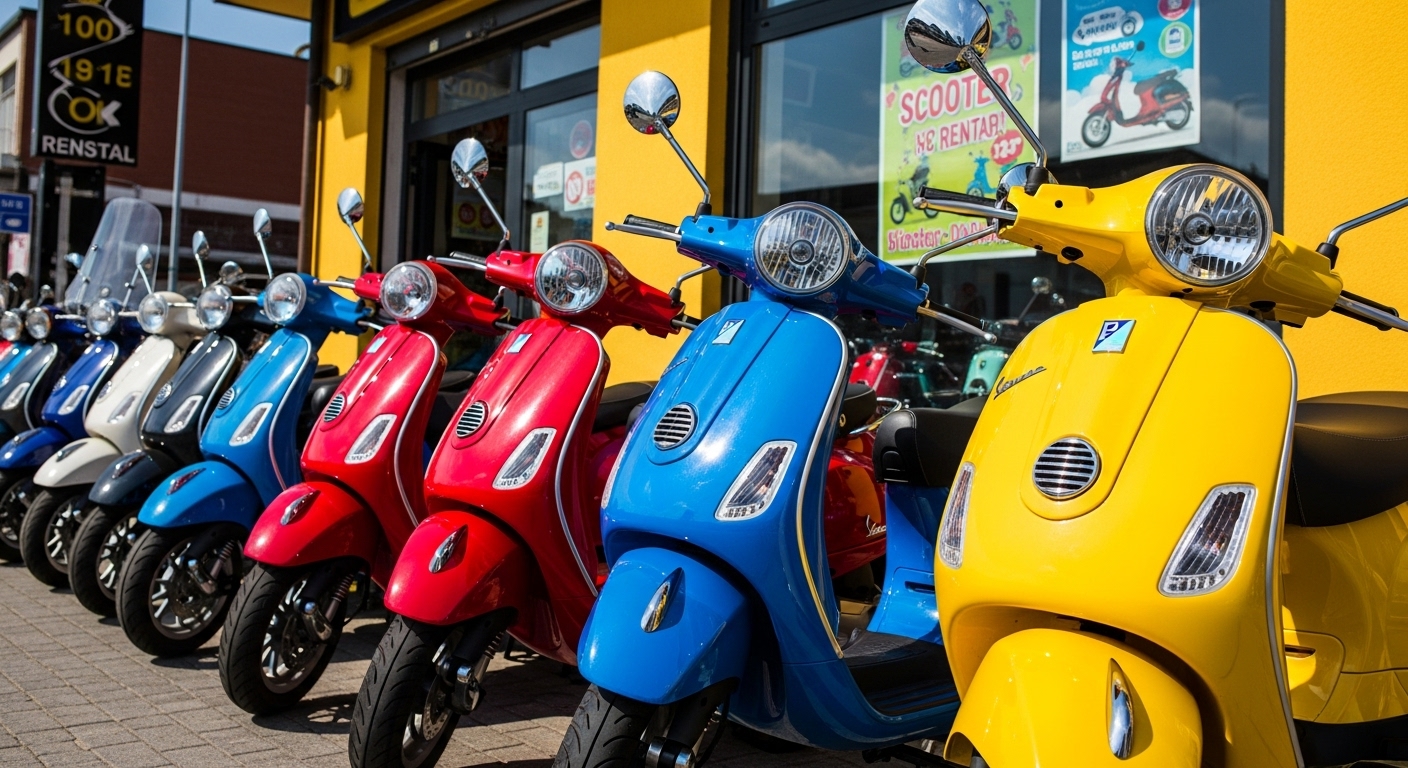
Planning your next big adventure? There’s nothing quite like zipping through cobbled European streets or cruising along sun-kissed island roads on a scooter. Renting a scooter abroad is a fantastic way to explore freely and make the most out of your trip. But hold on—before you throw on a helmet and rev up the engine, there are a few things you really need to know.
Why Renting a Scooter Abroad Seems So Tempting
Scooters offer convenience, affordability, and pure fun. They’re often cheaper than cars, easy to park, and let you squeeze through narrow alleyways that would make a car sweat. You feel the wind in your hair, the freedom in your soul, and you don’t even have to worry about public transport schedules. What’s not to love?
On top of that, scooters allow you to connect with the local vibe. You’ll spot charming cafes, secret viewpoints, and bustling markets you would’ve missed in a taxi or bus. In many island destinations like Bali, Mykonos, or Phuket, scooters are the primary form of transportation—and the most efficient way to see the sights.
License Requirements: Do You Even Qualify?
This is where many travelers make their first mistake. Different countries have different rules. In some places, your standard driver’s license from home may be enough. In others, you’ll need an International Driving Permit (IDP). And in a few, you might not be able to rent a scooter legally at all unless you have a motorcycle endorsement.
For example, in Italy or Spain, you can ride scooters under 50cc with a regular car license, but anything more powerful requires a motorcycle permit. In Thailand or Vietnam, police often stop tourists and ask for a motorcycle license—having just an IDP might not be enough if your home license doesn’t include two-wheel authorization.
To avoid trouble, visit your local automobile association and apply for an IDP before your trip. It’s usually cheap and valid for one year. Make sure your license covers the engine size you’ll be renting. It’s not just about legality—it’s about your safety and insurance coverage too.
Insurance: Don’t Skip This Step
If something goes wrong—say, an accident, theft, or damage—insurance will be your best friend. Most scooter rental shops offer some form of insurance, but the coverage can vary wildly. Some cover damage to the scooter but not third-party accidents. Others cover theft but with massive deductibles.
Ask these questions before signing: What’s the deductible? Does it cover medical costs or just the scooter? What happens if someone else hits you? You might also want to explore your travel insurance provider to see if they cover motorbike accidents abroad. Some insurers will require you to wear a helmet and have the correct license for any claim to be valid.
One smart tip? Pay with a credit card that offers travel protection. Cards like Chase Sapphire or AMEX Platinum often include rental insurance benefits that extend to scooters, but read the fine print first.
Helmets Are Not Optional (Even If They Look Silly)
Yes, even if you’re only going “a short distance.” Yes, even if locals aren’t wearing them. Helmets save lives—period. And in many countries, wearing one isn’t just a recommendation—it’s the law. Riding without a helmet can void your insurance and lead to serious fines.
Even worse, poorly maintained or low-quality helmets provided by rental shops may not offer much protection in case of a crash. Look for one with a proper chin strap and minimal signs of wear and tear. If you plan on renting scooters in multiple countries during a long trip, consider bringing your own foldable or portable helmet designed for travelers.
Also, if you’re traveling with a partner, make sure the shop provides two helmets—and inspect both. A safe ride is a smart ride.
Road Rules: When in Rome, Still Drive Safe
Driving laws abroad can differ dramatically. For instance, in Thailand or Indonesia, traffic might seem like organized chaos. In Italy or Greece, you’ll find lots of narrow lanes and assertive drivers. You need to be especially alert and defensive while riding a scooter in unfamiliar places.
Watch out for unexpected obstacles: potholes, stray animals, sudden pedestrians, or erratic drivers. Roundabouts can be confusing, and some traffic signs may not be in English. If you’re not comfortable navigating foreign traffic flows, spend some time observing before jumping in. Knowing just a few basic local traffic rules can make a big difference in staying safe.
Use your horn, flash your lights, and learn how locals signal intentions. And if it rains? Consider skipping the ride altogether—wet roads and scooters don’t mix well.

Read Reviews—Yes, Really!
Before you choose a rental shop, do some sleuthing online. Read Google, TripAdvisor, or even Reddit reviews. Were other travelers scammed? Did the shop withhold deposits unfairly? Was the scooter in bad shape?
Look out for consistent red flags, such as “brakes didn’t work,” “owner charged for old damage,” or “deposit never returned.” These reviews can save you from making costly mistakes. Also, favor shops with English-speaking staff, clear rental contracts, and transparent pricing.
Don’t just go with the cheapest place you find on the street. A few extra dollars spent upfront might spare you serious headaches later.
Take Photos Before You Ride Off
Snap pictures of the scooter from all angles before driving away. Capture scratches, dents, and mileage readings. This protects you from being blamed for pre-existing damage when you return it.
Make sure the rental staff sees you taking these pictures—let them know you’re being cautious, not difficult. If possible, get them to note the damage on the rental form. Don’t forget to keep a copy of your contract and take a photo of the license plate, too. You’ll thank yourself later if anything gets disputed.

Local Laws and Fines
In some countries, police may target tourists on scooters. Common reasons? Not wearing helmets, not having a valid license, or not knowing road signs. Fines can range from a slap on the wrist to a wallet-emptying nightmare.
Always carry copies of your passport, visa, rental contract, and IDP (if required). Some riders even wear a small pouch or strap-on waterproof wallet for documents. And whatever you do, never attempt to bribe a police officer—it can turn a minor infraction into a legal mess.
Check Fuel Rules
Is the tank full when you get the scooter? Do you need to refill it before returning? Are there fuel stations nearby? Many rentals charge crazy fees if you return it empty, so be sure to ask.
Also note that in some countries, scooters run on specific types of fuel. Filling it with the wrong one could damage the engine—and you’ll be on the hook for repairs. Ask the rental shop for a nearby recommended fuel station and take a photo of the pump or label.
If it’s your first time riding a scooter, don’t wing it. Practice in a quiet area first. Learn how to brake properly, balance at stops, and maneuver tight turns. Scooters are easy—but not that easy if you’ve never done it before. Balance, turning, and braking are all things you’ll need to get comfortable with. Practice using both the front and rear brakes, learn to lean into curves, and start slow. Some travelers even take a 1-hour riding lesson offered by local driving schools before Renting a Scooter Abroad.
Absolutely—if you do it right. Renting a scooter abroad is one of the most freeing, memorable ways to explore a new place. But it’s not something to take lightly. From licensing and insurance to safety gear and road awareness, there’s a lot to consider. Do your homework, choose a reputable shop, wear your helmet, and ride smart. The freedom you’ll feel cruising along coastlines or through historic towns is unbeatable.
So, what do you think about Renting a Scooter Abroad? Would you rent a scooter on your next trip? Have any personal tips or cautionary tales to share? Drop them in the comments below—we love hearing from fellow adventurers! And hey, if you found this guide helpful, follow us on social media for more smart travel tips, stories, and insights from around the world.
Catch up on the top stories and travel deals by subscribing to our newsletter!