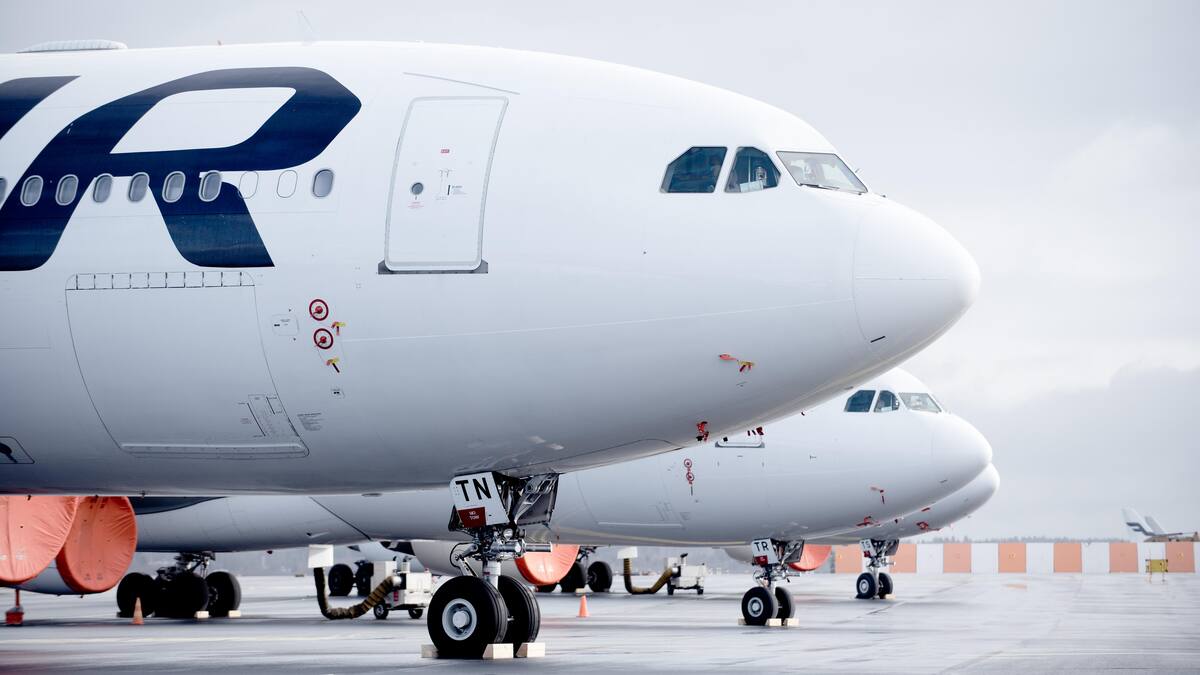
Finnair faces a huge operational setback as a massive strike at Helsinki Airport forces the airline to cancel 100 flights. Consequently, the unexpected labor action disrupts travel plans for thousands across Europe. Meanwhile, passengers now scramble to rebook, while Finnair works hard to handle the chaos. Therefore, many travelers experience long delays on domestic and international routes.
Moreover, Finnair struggles to control financial losses as cancellations damage revenues and strain customer relationships. In addition, local businesses depending on airport traffic suffer big setbacks, hurting the broader economy. Thus, the disruption highlights the need for strong crisis management strategies in aviation.
However, Finnair moves quickly to support passengers by offering rebooking and alternative travel solutions. Furthermore, the airline strengthens communication, using technology to keep travelers updated in real time. As a result, digital tools help reduce stress and keep passengers informed about every change.
Additionally, the strike exposes deeper problems in the aviation sector. Because of worker demands for better pay and conditions, airlines must now rethink labor relations. Thus, Finnair faces a critical moment to address employee concerns and protect long-term operations.
At the same time, while Finnair handles immediate problems, environmental impacts grow. For example, rerouted flights increase emissions, challenging airlines to find greener solutions even during crises. Therefore, the airline must balance operational demands with sustainability goals.
Ultimately, these disruptions teach valuable lessons about preparedness. Consequently, Finnair will improve contingency plans, boost communication, and build stronger ties with workers to avoid future issues. As a result, effective crisis strategies now shape the airline’s future success.
Despite the turmoil, Finnair stays focused on passenger care and operational stability. Therefore, by acting quickly and prioritizing people, Finnair aims to emerge stronger from this crisis. In conclusion, the airline must keep learning and evolving to meet new challenges in modern air travel.
Related stories:
Catch up on the top stories and travel deals by subscribing to our newsletter!