Have you ever dreamed of swimming alongside dolphins, watching elephants in their natural habitat, or trekking through forests to spot rare birds? Wildlife encounters are some of the most magical experiences travelers can have. But here’s the catch: not all encounters are created equal. Sadly, many involve practices that harm animals, disrupt ecosystems, or exploit creatures for entertainment. The good news? You don’t have to choose between adventure and ethics—you can absolutely enjoy wildlife encounters you can do ethically and safely without causing harm.
Think about it: Wouldn’t it feel better to walk away from an experience knowing you supported conservation instead of cruelty? That your money went to protecting wildlife rather than exploiting it? The joy of an encounter multiplies when you know you’re part of a positive change. In this post, we’re diving into how you can meet animals responsibly, what to avoid, and how to make sure your bucket-list moment is also kind to the planet.
Why Ethical Wildlife Encounters Matter
Let’s start with the big question: Why should we care about the ethics behind animal encounters? Simple—because animals aren’t props. They’re living beings with instincts, families, and roles in the ecosystem. When we put entertainment above their well-being, we often cause irreversible harm. By focusing on wildlife encounters you can do ethically and safely, you’re helping preserve natural habitats, funding conservation, and ensuring future generations also get to witness these incredible species.
Have you ever felt uncomfortable watching animals perform tricks? Or questioned how those Instagram-worthy elephant rides really happen? That gut feeling is often right—many of those experiences involve cruelty behind the scenes. But when you choose responsible encounters, you replace guilt with pride, and that makes the experience unforgettable for all the right reasons.
Guidelines for Safe and Ethical Wildlife Encounters
Before we get into specific adventures, here are some simple rules to help you spot whether an encounter is ethical:
- No touching – Wild animals should never be touched, hugged, or ridden. True encounters respect distance.
- No tricks or performances – If animals are doing human-like shows, it’s a red flag. It usually involves harsh training.
- Support sanctuaries, not circuses – Look for rescue centers and conservation projects instead of entertainment venues.
- Observe natural behavior – The best experiences let you watch animals as they naturally behave, not forced interactions.
- Ask questions – A good operator will explain their practices and how they support wildlife conservation.
With these ground rules in mind, let’s explore some of the most exciting wildlife adventures you can do the right way.

Safari Adventures Done Right
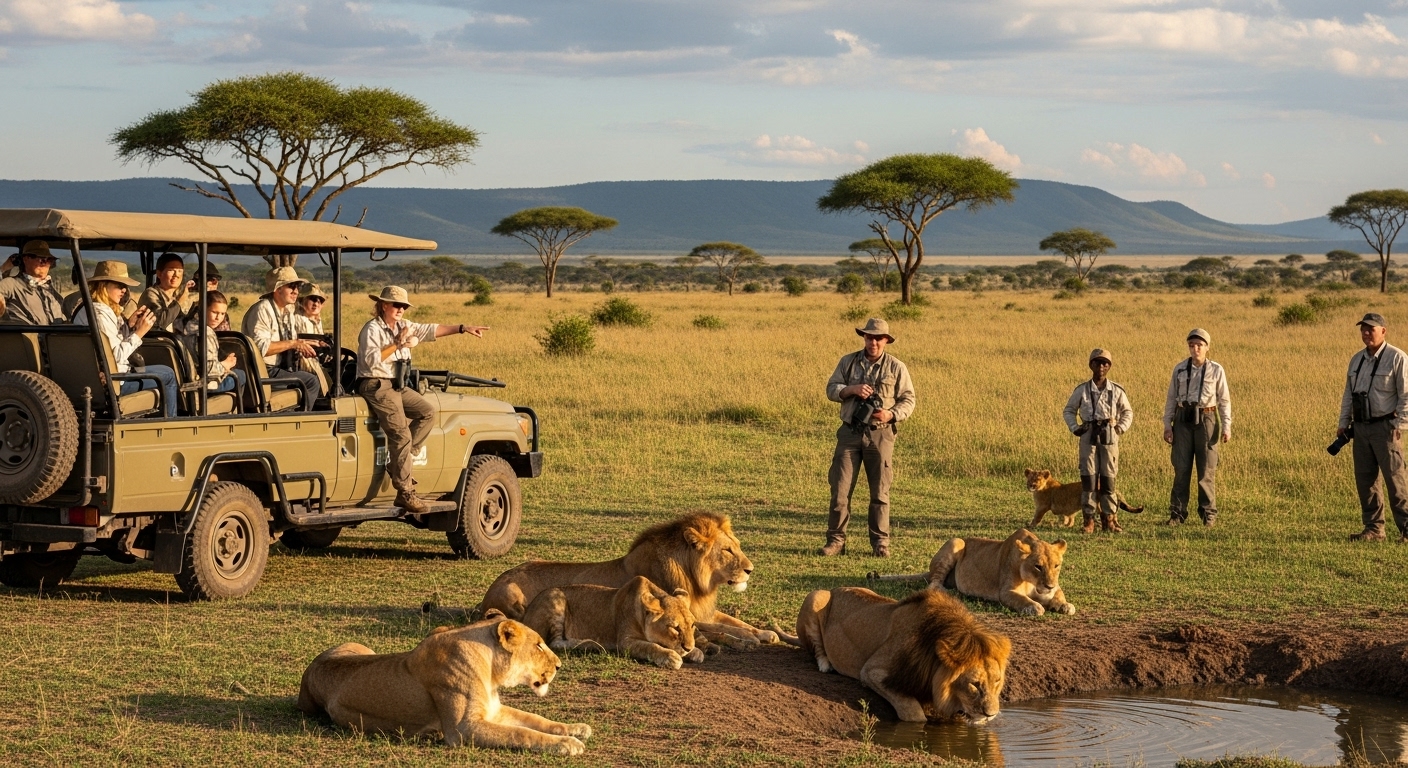
Safaris are the classic wildlife experience. But are they always ethical? The answer depends on where you go and who you book with. Ethical safaris focus on conservation, limit the number of vehicles, and follow strict guidelines to avoid stressing the animals. Imagine watching a pride of lions under the African sunset—doesn’t it sound incredible when you know they’re free and wild, not confined for tourist eyes?
When booking a safari, look for operators that contribute to conservation and respect animal boundaries. Ask yourself: Would you want a car pulling right up to your home, blasting cameras in your face? Probably not. Animals deserve the same respect.
Whale and Dolphin Watching
Few things compare to the thrill of spotting a whale breach the water or dolphins gliding alongside your boat. But here’s the thing: many tours get too close, disrupting the animals. Ethical whale and dolphin watching tours keep a respectful distance, avoid chasing, and limit boat numbers.
Picture yourself on a calm boat ride, watching dolphins leap naturally in the waves. Doesn’t it feel more magical when you know they’re not being lured or harassed?
Birdwatching Adventures
Birdwatching is one of the most ethical ways to encounter wildlife—if done responsibly. All you need is patience, binoculars, and a love for nature. From the tropical rainforests of Costa Rica to wetlands in India, birdwatching lets you witness species diversity without disturbing their habitats. The rule? Stay quiet, avoid flash photography, and let the birds come to you. Isn’t it fascinating to think of how many bird calls you’ve never noticed before?
Snorkeling and Diving with Marine Life
Swimming alongside sea turtles or colorful reef fish is unforgettable—but only if done responsibly. That means no touching coral reefs, no chasing animals, and definitely no taking “souvenirs” from the ocean. Choose eco-certified operators who care about reef preservation. After all, wouldn’t you rather see a thriving underwater world than contribute to its decline?
Visiting Animal Sanctuaries
Not all sanctuaries are created equal. Some call themselves sanctuaries but are actually tourist traps. A true sanctuary never forces animals to perform, doesn’t allow direct contact, and focuses on rehabilitation or lifelong care. Imagine feeding rescued elephants from a safe distance or observing rehabilitated birds regain their strength—it’s heartwarming and impactful. Wouldn’t you feel proud knowing your visit directly supports their survival?
Trekking for Wildlife Spotting
If you’re up for adventure, guided treks can lead you to gorillas in Rwanda, orangutans in Borneo, or red pandas in the Himalayas. Ethical treks limit group sizes, keep distance, and support local communities. It’s a once-in-a-lifetime encounter, but the key is respecting that you’re a guest in their world, not the other way around.
Wildlife encounters should leave you with more than photos—they should leave you with pride, awe, and the knowledge that you helped protect the very creatures you admired. By choosing wildlife encounters you can do ethically and safely, you’re proving that adventure and responsibility can go hand in hand.
Now it’s your turn: Have you ever had an unforgettable wildlife encounter? What made it special for you? Share your thoughts and stories in the comments—we’d love to hear them!
And if you found this guide helpful, follow us on our social media platforms for more inspiring travel insights and responsible tourism tips. Together, we can travel better.
Catch up on the top stories and travel deals by subscribing to our newsletter!