Have you ever imagined a hotel so remote, so breathtaking, and so exclusive that the only way to reach it is by gliding silently through the sky in a tram? Welcome to the magical world of mountain hotels accessible only by tram, where the journey itself becomes part of the unforgettable experience. These hotels are not just places to sleep — they are destinations that turn ordinary travel into extraordinary adventure.
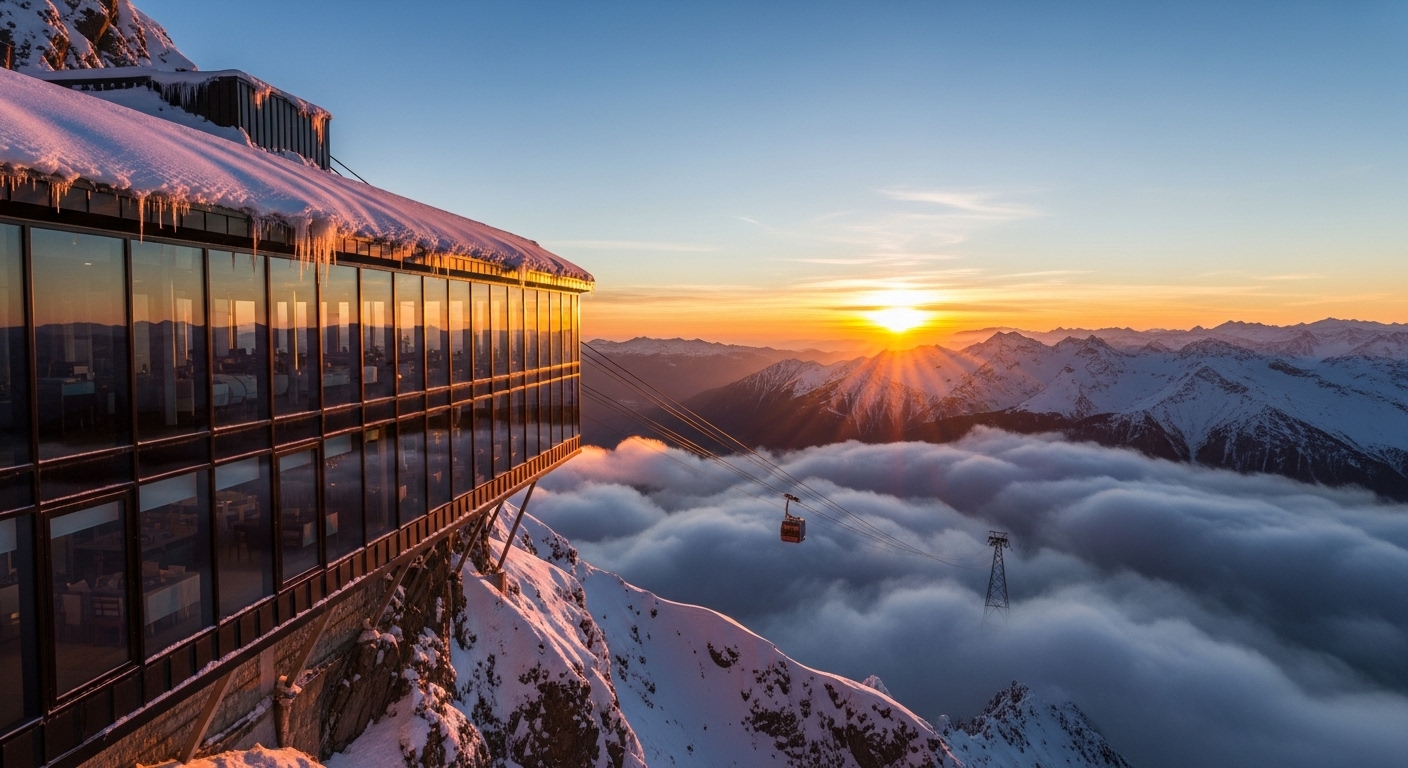
Picture this: snow-capped peaks below you, valleys fading into the clouds, and a slow, peaceful ascent toward a mountain retreat perched high above the world. Sounds unreal? It’s very real. From the Swiss Alps to the Rockies, these rare mountain hotels promise views, isolation, comfort, and thrill all in one.
But why do travelers obsess over these sky-high stays? What makes them so addictive? And would you actually risk heights for a hotel stay you’ll never forget? Let’s take a deep dive into the exhilarating universe of mountain hotels accessible only by tram and uncover what makes them some of the world’s most astonishing places to stay.
Why Mountain Hotels Accessible Only by Tram Are So Special
There is something profoundly different about traveling to a place that cannot be reached by car, road, or foot. When a tram is the only way in, it instantly adds a sense of exclusivity and mystery. These hotels are designed to live in harmony with extreme landscapes, often sitting on narrow ridges, dramatic cliffs, or isolated mountain peaks.
Unlike typical hotels, these remote properties operate under unique conditions: limited supplies, extreme weather, logistical challenges, and strict environmental protections. Yet despite all this, guests experience luxury, warmth, and unforgettable service. It’s this contrast between extreme wilderness and refined comfort that makes these hotels legendary.
When you stay in a mountain hotel accessible only by tram, you disconnect from traffic, noise, deadlines, and distractions. There’s no rushing, no crowds, and no chaos — just crisp mountain air, vast silence, and a feeling that you’ve stepped into another world entirely.
The Emotional Pull of Trams and Sky-High Travel
There’s a childlike excitement that comes with boarding a tram suspended above the earth. As the doors close and the cabin lifts off, fear and awe mix together in the most thrilling way. Below you might see forests shrinking into patterns, rivers becoming thin silver threads, or skiers carving through snow like moving dots.
This journey creates anticipation unlike any other hotel check-in. You don’t just arrive — you ascend. Each minute in the tram builds suspense for what awaits at the top. And when you finally step out at the summit, the views don’t just impress you — they overwhelm you.
Have you ever felt your stomach flip while looking down from a glass cabin suspended hundreds of feet above the ground? Would you be brave enough to sip coffee while the world hangs beneath your feet?
Famous Mountain Hotels Accessible Only by Tram Around the World
Some mountain hotels have achieved legendary status because of their extreme locations and dramatic access routes. In the Swiss Alps, destinations like Zermatt are famous for hotels that rely heavily on trams and cable cars due to strict car-free policies. One iconic experience is riding the Gornergrat Railway to panoramic hotels overlooking the Matterhorn.
In Austria, the Tirol region hosts alpine lodges perched above valleys where trams transport both guests and supplies daily. These systems remain operational even in heavy snow, making winter stays both dramatic and magical.
In North America, places like Banff National Park in Canada offer aerial tramway access to secluded mountain lodges that feel untouched by civilization. Meanwhile, in South America, tram-access mountain retreats in the Andes offer surreal elevated luxury.
You can explore Switzerland’s tram systems through official Swiss travel resources and learn about alpine access safety from National Geographic.
What It’s Like to Stay in a Sky-High Mountain Hotel
Life at extreme altitude moves differently. Mornings begin with clouds drifting past your window. Breakfast often comes with views stretching across multiple countries. At night, when cities glow faintly far below, silence wraps around the mountains like a blanket.
Rooms tend to be designed for warmth and comfort, featuring wood interiors, panoramic windows, fireplaces, and cozy bedding. You’ll often find saunas, hot tubs, and lounging areas that overlook endless ridgelines.
Meals are often another highlight. Supplies arrive by tram, helicopter, or cable systems, making every ingredient precious. This produces carefully crafted menus that balance gourmet flavors with local alpine traditions.
Would you rather watch a sunrise from a crowded city balcony or from a secluded mountain peak where the world feels miles away?

Who Should Stay in Mountain Hotels Accessible Only by Tram?
These hotels attract a very specific type of traveler. Adventure seekers come for the thrill. Honeymooners arrive for privacy and romance. Photographers chase the light. Writers seek silence. Digital detoxers escape notifications and noise.
However, these stays may not suit travelers who fear heights, dislike limited connectivity, or need immediate medical access. While safety standards are high, the sheer remoteness demands comfort with isolation.
The reward, however, is something money alone cannot buy: perspective. From these heights, everyday worries feel smaller. Time slows. Breathing deepens. Presence strengthens.
Trams vs Cable Cars vs Funiculars
Not all sky transport systems are identical. Some destinations rely on aerial trams that move in long suspended cabins. Others use gondola-style cable cars with smaller cabins. Some steep mountain hotels rely on funicular rail systems that climb extreme angles along tracks carved into rock.
Each method offers a different sensory experience. Trams provide vast open views and dramatic suspension. Cable cars offer intimacy and constant movement. Funiculars feel solid yet steep, giving long slow ascents that heighten anticipation.
Which method would make your heart race faster?
How Safe Are Mountain Hotels Accessible Only by Tram?
Despite their dramatic nature, these destinations follow extremely strict safety regulations. Tram systems are inspected regularly. Weather conditions are monitored constantly. Backup power systems are mandatory. Many operators collaborate with aviation safety authorities and mountain rescue teams.
According to Federal Aviation Administration guidelines for aerial transport systems, tram and cable transport remains one of the safest mountain transit methods in the world.
Still, the psychological effect of height can be intense. Guests who struggle with motion sickness or vertigo are advised to prepare accordingly.
Seasonal Differences in Tram-Only Mountain Hotels
Summer and winter transformations at these hotels feel like visiting two completely different worlds. In summer, green slopes replace snow, hiking trails expand in all directions, and wildlife appears everywhere. Fresh wildflowers spread like carpets along narrow cliffs.
Winter transforms everything into a frozen fairytale. Snow blankets rooftops. Skiers glide directly into hotel entrances. Fireplaces burn day and night. Storms can isolate guests for days, making the experience even more surreal.
Would you prefer the glowing warmth of winter isolation or the endless exploration of alpine summer?
Environmental Impact and Sustainability
One reason many mountain hotels accessible only by tram exist is environmental protection. By eliminating road traffic, these regions preserve wildlife, minimize erosion, and reduce emissions.
Many of these resorts run on renewable energy sources such as hydroelectric power, solar panels, and wind systems. Water usage is controlled with precision. Waste is transported down carefully.
For travelers who care deeply about ecological responsibility, these hotels represent the future of sustainable luxury.
How Much Does It Cost to Stay?
Staying at a mountain hotel accessible only by tram is rarely cheap. Prices range from moderately expensive alpine lodges to ultra-luxury cliffside resorts costing thousands per night.
You are paying not just for a room, but for logistics, isolation, engineering, and access to some of the most exclusive terrain on Earth. However, many mid-range options exist if you research carefully and travel off-season.

Travel Tips for First-Time Visitors
Pack light but smart. Weather changes rapidly. Always bring warm layers, even in summer. Download offline maps. Inform someone about your location before travel. Avoid overpacking since all luggage must move via tram systems. Also prepare mentally for disconnection. Some hotels offer limited WiFi, and mobile service may vanish completely. Instead of resisting this, embrace it. When was the last time you were truly unreachable?
There are vacations, and then there are life-defining journeys. A stay at one of the world’s rare mountain hotels accessible only by tram belongs firmly in the second category.
You don’t just check into these hotels. You surrender to the mountain. You rise above roads, responsibilities, and routines. You inhabit a place where sky and earth blur into one continuous masterpiece. So the real question is not whether these hotels are worth visiting. The real question is: are you ready for an experience that will permanently change your idea of travel?
If this adventure stirred your curiosity, share your thoughts with us. Would you dare to sleep on a peak reachable only by a floating cabin in the sky? Which mountain region fascinates you most? We would love to hear your opinion. And if you enjoy discovering rare travel experiences like this, follow WentWorld on our social platforms for more breathtaking journeys, hidden destinations, and unforgettable stories from around the globe.
Catch up on the top stories and travel deals by subscribing to our newsletter!