When you’re exploring a new city, there’s one thing that can make or break your experience — how easy it is to get around. Whether you’re hopping between museums, markets, or hidden gems, having reliable, affordable, and efficient transportation can transform your trip. That’s why knowing about accessible public transit for tourists is such a game-changer.
Not only does accessible transit save you money, but it also gives you a local’s perspective — letting you experience the heartbeat of a city from its subways, trams, and buses. Some cities have mastered the art of public mobility so well that tourists barely need taxis or tours. So, where should you head next for smooth, stress-free travel? Let’s explore the world’s best cities with the most accessible public transit for tourists!
Why Accessible Public Transit Matters for Tourists
Have you ever landed in a foreign city only to be overwhelmed by confusing routes, expensive cabs, or inaccessible stations? A city’s public transit system can either make your journey seamless or utterly stressful. That’s why accessible public transit for tourists is more than just about getting from point A to point B — it’s about empowerment, independence, and exploration.
When you can confidently navigate a city’s buses or subways, you’re not just traveling — you’re connecting with its rhythm. Plus, you save time and money that you can instead spend on experiences. It’s also the eco-friendly way to go — fewer car rides mean a smaller carbon footprint.
1. Tokyo, Japan — Precision and Punctuality Redefined
Tokyo’s transit system is a marvel of efficiency. Its vast network of trains, subways, and buses reaches nearly every corner of the city. The signage is bilingual (Japanese and English), and ticketing machines often have multiple language options, making it incredibly accessible for tourists.
Tourists can use the convenient Suica or Pasmo cards — reloadable smart cards that work across trains, subways, and buses. Trains run so punctually that a one-minute delay makes headlines! Whether you’re heading to Shibuya Crossing or the ancient temples of Asakusa, you’ll find navigation effortless.
Tip: Download the Tokyo Metro app before your trip — it shows train lines, schedules, and even which car to board for faster transfers.
2. London, United Kingdom — The Iconic Tube and Beyond
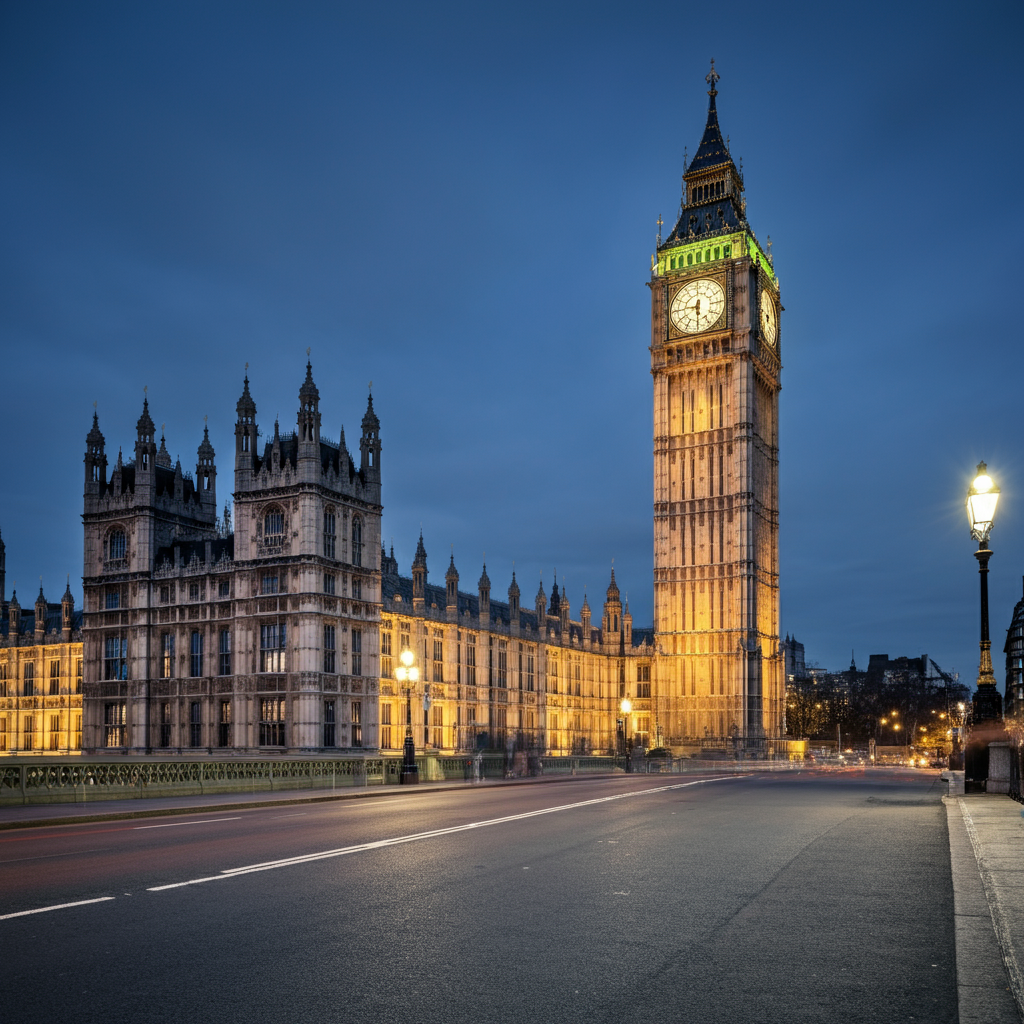
The London Underground — or “the Tube” — is one of the world’s oldest and most iconic transit systems. With its extensive network, color-coded lines, and user-friendly Oyster card system, London easily tops the list for accessible public transit for tourists.
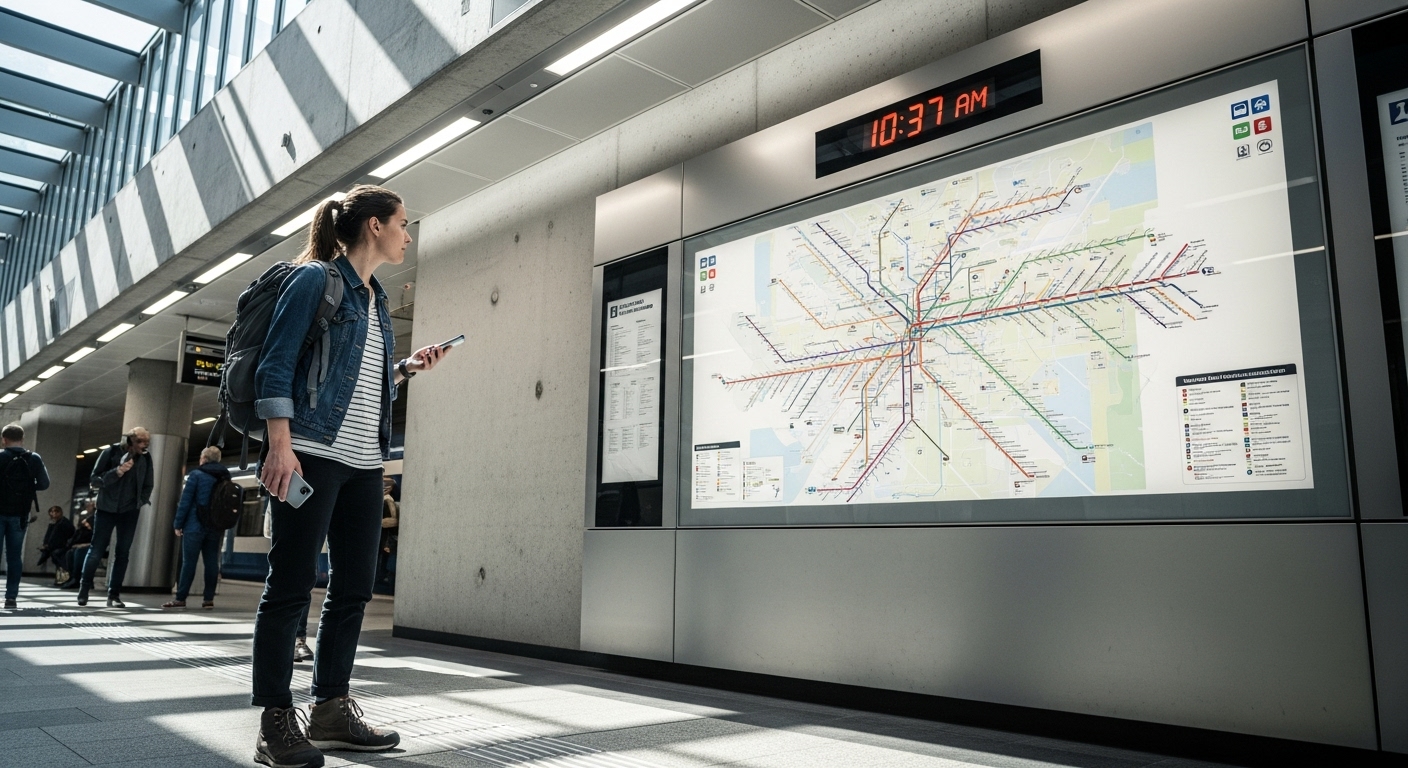
Stations are well-marked, maps are intuitive, and announcements are clear and frequent. Many buses are wheelchair-accessible, and apps like Citymapper or TfL Go make trip planning a breeze. Plus, if you prefer scenic rides, London’s famous red buses are a must!
Pro tip: Tap your contactless card to pay — it’s cheaper than buying individual tickets and caps your daily fare automatically.
3. Singapore — Clean, Efficient, and Tourist-Friendly
Singapore’s Mass Rapid Transit (MRT) system is the pride of the city-state — known for being fast, safe, and impeccably clean. It connects all major attractions, from Marina Bay Sands to Sentosa Island, making it a dream for travelers who love convenience.
Signage is clear, and stations are air-conditioned — a welcome relief from the tropical heat! The EZ-Link card or Singapore Tourist Pass gives you unlimited rides, so you can hop from hawker centers to futuristic gardens with ease.
Fun fact: The MRT even offers free Wi-Fi at most stations — perfect for quick map checks or travel selfies.
4. Paris, France — The City of Lights Made Simple
Paris boasts one of Europe’s most intricate and efficient metro systems, with over 300 stations. It’s a dream for tourists who love exploring spontaneously. The system connects almost every attraction — from the Eiffel Tower to Montmartre — and is incredibly affordable.
Even if you don’t speak French, signage and automated ticket machines offer English translations. For accessibility, newer lines and buses accommodate wheelchairs, and the Navigo Easy card makes travel simple.
Pro tip: Combine your metro rides with scenic walks — Paris’s charm truly lies in its streets.
5. Seoul, South Korea — Smart, Seamless, and Multilingual
Seoul’s subway network is vast, clean, and high-tech — an ideal setup for tourists. Every sign and announcement comes in Korean and English (often Japanese and Chinese too). The T-Money card works not just for subways and buses but even for convenience stores.
Stations have elevators, tactile paving for the visually impaired, and restrooms that are spotless. The system also integrates beautifully with Google Maps and Naver Map, so you’ll never feel lost.
Bonus: Seoul’s subway stations often double as mini malls — so you can shop or snack between destinations!
6. Zurich, Switzerland — Smooth, Scenic, and Sustainable
Zurich’s public transport is a masterpiece of Swiss precision. Trams glide along lakesides, buses connect the suburbs, and the S-Bahn trains extend your reach to nearby mountain towns. What makes Zurich stand out is how effortlessly tourists can navigate with one ticket covering all forms of transport.
The Zurich Card gives you unlimited rides plus free entry to museums — making sightseeing both easy and economical. Everything runs on time, and the scenic views from trams are an added bonus!
7. New York City, USA — The Subway That Never Sleeps
The NYC subway may be one of the oldest, but it’s still one of the most iconic. Open 24/7 and covering all five boroughs, it’s the lifeblood of the city. For tourists, the MetroCard (and now OMNY tap system) makes commuting simple.
While accessibility varies by station, ongoing upgrades are improving elevators and digital signage. Apps like Transit and Google Maps make route planning easy, and the city’s extensive bus network fills any gaps.

Insider tip: Take a subway ride across the Manhattan Bridge at sunset — the skyline views are unbeatable.
8. Vienna, Austria — Elegant, Efficient, and Easy to Navigate
Vienna’s U-Bahn system is small but mighty. Clean trains, punctual schedules, and clear signage make it ideal for visitors. It’s also one of the safest networks in Europe, with 24-hour weekend service and well-lit stations.
The Vienna City Card gives tourists unlimited rides and discounts at attractions. Everything about the city’s transit reflects its charm — elegant yet practical, just like Vienna itself.
Tips for Using Public Transit Like a Local
To truly make the most of accessible public transit for tourists, keep these travel-smart tips in mind:
- Always check peak hours — some cities get extremely crowded during rush times.
- Download offline maps before your trip.
- Learn a few local transit terms (like “sortie” for exit in Paris).
- Carry small change or a reloadable card for convenience.
- Follow local etiquette — like queuing up or keeping right on escalators.
Why Public Transit Is the Best Way to Experience a City
Public transit isn’t just transportation — it’s culture in motion. When you ride a local bus in London or a tram in Zurich, you see the real city — its people, pace, and personality. You hear languages blend, watch everyday life unfold, and sometimes even make spontaneous discoveries you’d miss in a taxi.
Accessible public transit empowers tourists to explore more freely and sustainably — and isn’t that what travel is all about?
Have you ever been amazed by how easy it was to get around a certain city? Or maybe you’ve faced public transit challenges abroad? We’d love to hear your stories! Share your thoughts in the comments — your insight could help future travelers navigate smarter.
And if you enjoyed this guide, follow us on social media for more travel tips, destination guides, and wanderlust inspiration from around the world.
Catch up on the top stories and travel deals by subscribing to our newsletter!