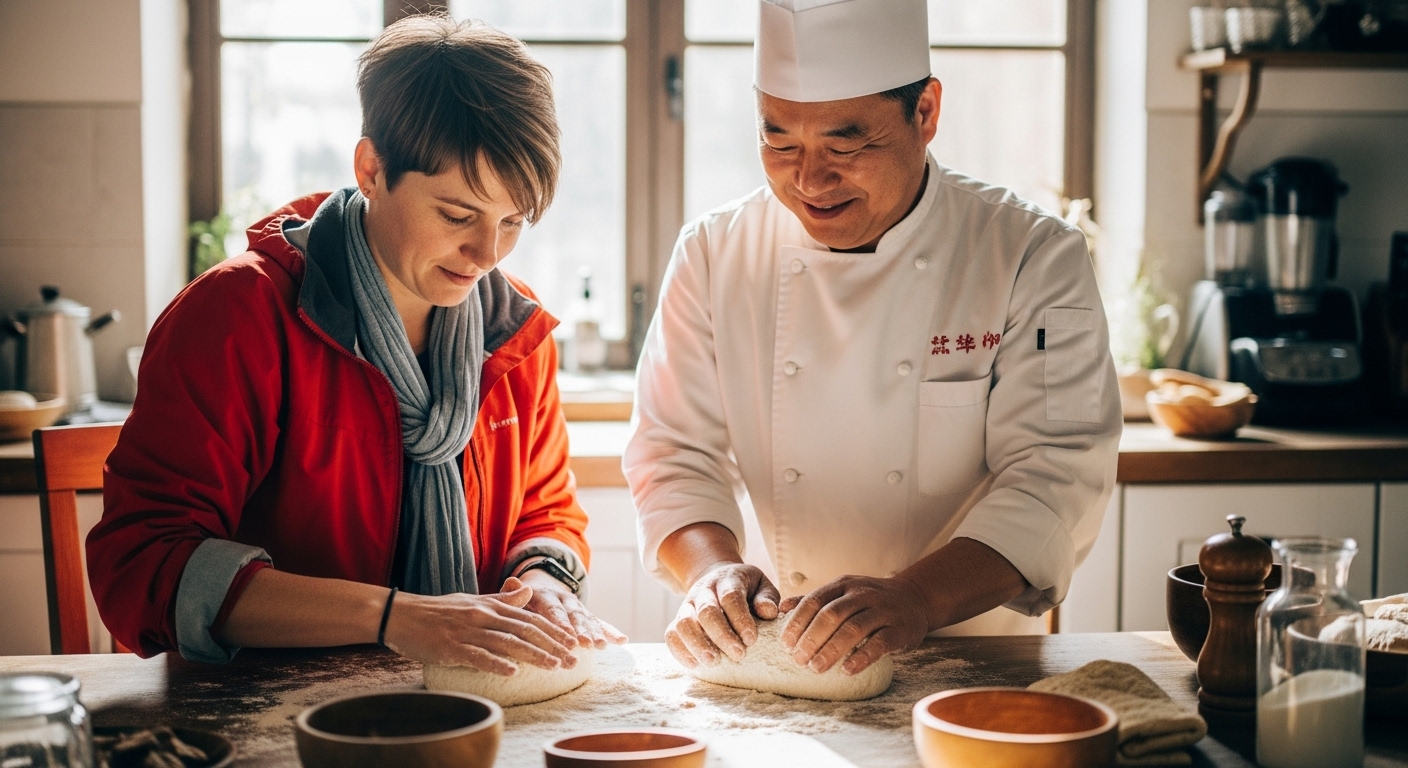
Few experiences bring you closer to a culture than preparing food alongside locals. A cooking class isn’t just about learning recipes—it introduces traditions, heritage, and community tied to every ingredient. When you travel, joining a cooking class turns meals into moments. It sets you at a kitchen table where stories unfold and flavors connect you to a place more deeply than any landmark tour.
This guide explores why a cooking class should be a priority wherever you go. You’ll discover benefits from cultural immersion and culinary confidence to supporting local businesses, and creating connections that last. Plus, we’ll walk through how to pick reputable classes, etiquette in the kitchen, budgeting, and sharing your culinary souvenirs once home.
1. Connect Through Culture and Tradition
Joining a cooking class gives you direct access to traditions passed down generations. Whether kneading masa tortillas in Mexico or fermenting kimchi in Korea, you’re touching rituals tied to identity. It’s more than food—it’s heritage shared through conversation, language, and the sensory experience of preparing dishes with those who live them daily. That connection is why a cooking class becomes a moment of genuine cultural exchange.
2. Learn How to Eat Like a Local
Dining in tourist zones only gives half the story. A cooking class teaches you real home cooking—the kind people serve their families daily. You’ll discover local produce, seasoning techniques, and flavor profiles that define a region. Plus, chefs often share context: what dish to eat when, why spices pair together, and how meals are structured across meals or celebrations. That knowledge transforms your travel meals forever.
3. Surprise Yourself with Culinary Confidence
Cooking in a foreign kitchen can be nerve-wracking. But with a supportive chef guiding you, you build kitchen confidence rapidly. Chop, stir, season—your hands on local ingredients boosts your skill and memory. By the end of a cooking class, you’ll pack home recipes and techniques you’d never learn from a recipe book alone.
4. Meet People: From Hosts to Fellow Travelers
Cooking classes often bring small groups together. You’ll chop with a farmer’s market vendor, joke with peers, and ask questions while kneading dough. That shared experience—mixing flour or tasting spice—creates immediate bonds. The result? A shared kitchen becomes a place of laughter, cultural exchange, and sometimes lifelong friendship.
5. Support Local Economies Ethically
Responsible tourism means choosing experiences that benefit locals. A well-run cooking class sources ingredients from neighborhood producers and pays kitchen hosts fairly. Many villages or urban districts host classes aimed at keeping income within the community. Your cooking fee goes directly to families and markets, helping sustain local food traditions.
6. Learn Kitchen Skills That Travel With You
The knife techniques you learn, or the dough tricks explained in class, stay useful long after your trip. A cooking class packs transferable skills into your personal culinary toolkit. By the time you return home, you’re not just remembering flavors—you’re replicating them from memory, pantry, and soul.

7. Experience Regional Flavor Variations
Within the same country, flavors change by altitude, coast, or climate. A cooking class in northern Italy introduces different notes than one on Sicily’s coast. A Thai class in Chiang Mai focuses on herbal aromas; in Phuket, seafood and coconut shine. Each cooking lesson surfaces nuances—sometimes unpredictable, always valuable—on why that region tastes uniquely itself.
8. Create Souvenirs You Can Actually Share
The recipes, photos, and memories from a cooking class become shareable souvenirs. Back home, you can host dinner nights and tell guests about the hands that stirred the sauce overseas. Sometimes instructors include printed recipes or videos—tangible memories of your global culinary journey.
9. Practice Kitchen Sustainability and Respect
Aware instructors show you how to cook sustainably—reducing waste, using local produce, and honoring natural cycles. Some classes teach about seasonal sourcing or eco-friendly cooking tools. That appreciation for sustainable cooking empowers travelers to cook more responsibly when they return home.
10. Packing Your Skills, Not Just Souvenirs
Unlike a tchotchke, a cooking class skill travels. You gain something practical and memorable. More importantly, you gain confidence and cultural insight that spark curiosity in everything from street stalls to fine-dining journeys.
How to Choose the Right Cooking Class
- Local-run over tourist-run: Choose classes led by residents in their home kitchens or community settings.
- Ingredient transparency: Ask where produce comes from—markets, gardens, farms?
- Reviews and inclusion: Does the class support local women or artisans?
- Size of the group: Smaller groups (4–8) give hands-on engagement.
- Cultural context: Are history, traditions, or language woven into teaching?

What to Pack for a Cooking Class
- Clothing: close-toed shoes, light apron (often provided), comfortable sleeves.
- Tools: travel spice bag for small ingredients you want to replicate later.
- Notebook or phone: for jotting down notes, technique steps, and spice blends.
- Appetite: cooking is fun—but eating what you make is the best reward.
Best Places to Take a Cooking Class
- Italy: hand-rolled pasta in Tuscany.
- Morocco: tagine and mint tea in Marrakech medina.
- Vietnam: pho and banh xeo in Hanoi.
- Peru: ceviche and pisco sours in Lima.
- India: regional curries and breads in Jaipur.
Cooking Class Etiquette You Should Know
- Arrive on time, and wash hands before cooking.
- Ask if you can taste raw ingredients before use.
- Share utensils and space respectfully with classmates.
- Ask permission before taking photos of hosts or kitchen routines.
- Help clean up—most classes include shared kitchen chores.
How to Bring Your Skills Home
After class, immediately test a dish at home using local ingredients. Swap proportions if needed, but keep technique intact. Share the recipe with someone as a thank-you or source local ingredients to recreate the taste. This brings your cooking class full circle—back into daily life.
Every country offers a chance to cook, taste, laugh, and learn together. A cooking class does more than teach—it invites conversation, builds bridges, and leaves you with skills anchored in people and place. So, next time you travel, don’t just eat local—cook local. Join a kitchen, listen, learn, and take home more than memories.
Have you taken a cooking class abroad? Tell us which dish taught you the most—and don’t forget to follow us for more food-forward travel guides!
Catch up on the top stories and travel deals by subscribing to our newsletter!