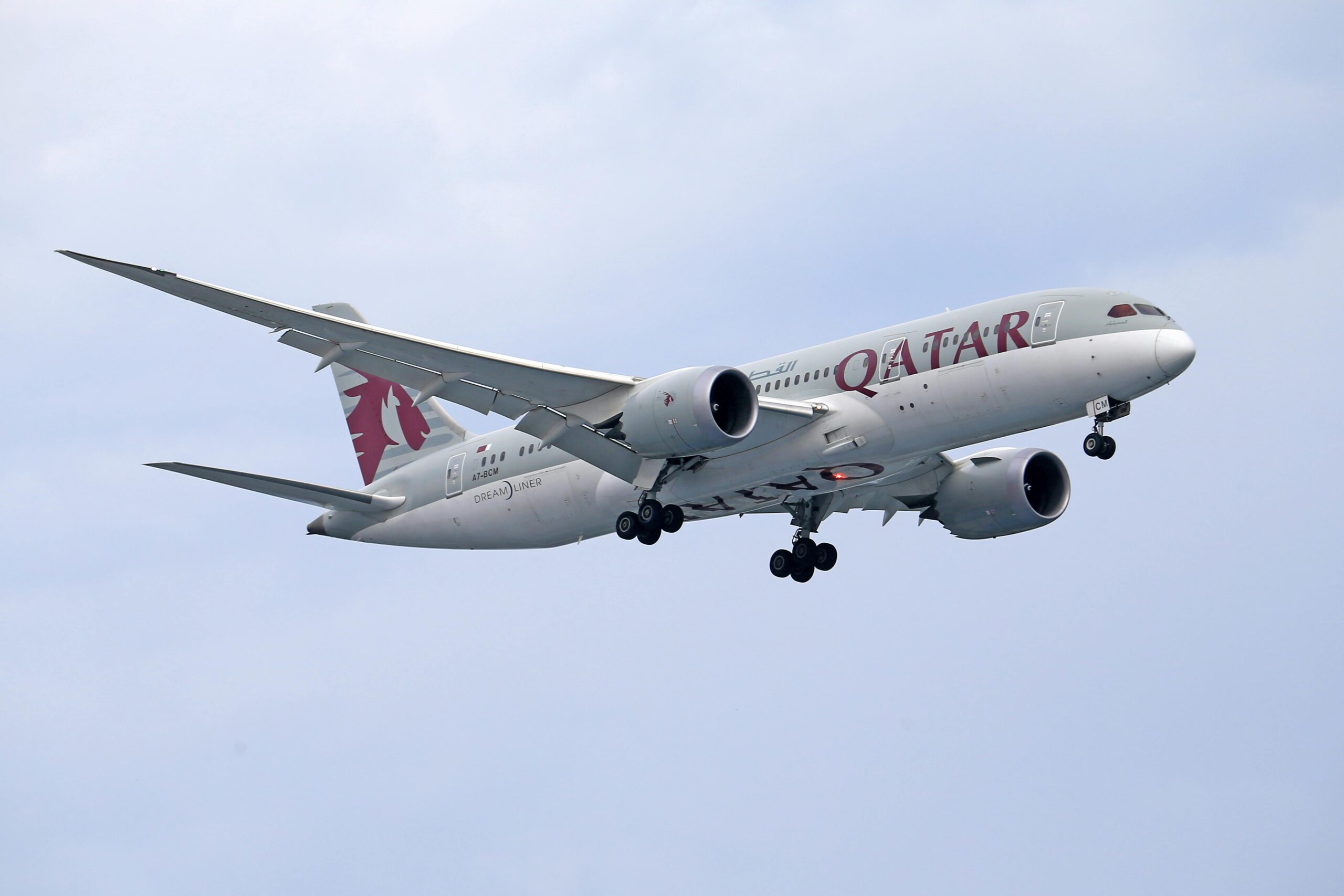
For many of us, traveling is pure joy — the thrill of seeing new places, meeting new people, and experiencing the unknown. But for some, there’s one not-so-pleasant part that can quickly turn excitement into dread: motion sickness. If you’ve ever felt dizzy, queasy, or just downright miserable during a car ride, flight, or boat trip, you’re not alone. Millions of people around the world deal with the same problem. The good news? You can absolutely still enjoy traveling — you just need the right travel tips for people who struggle with motion sickness.
Motion sickness can make even the most beautiful journey feel unbearable. Whether it’s that awful spinning sensation on a winding mountain road or nausea that hits mid-flight, it can ruin your plans before you even reach your destination. But here’s the thing — motion sickness doesn’t have to define your travels. With the right preparation and techniques, you can take control and make your trips more comfortable, enjoyable, and stress-free.
In this blog, we’ll explore tried-and-true strategies, natural remedies, and smart habits that can help you travel with confidence — without feeling like you’re fighting your own body every step of the way. Ready? Let’s turn your travel fears into fearless adventures.
Understanding Motion Sickness: What’s Really Going On?
Before diving into the best travel tips for people who struggle with motion sickness, let’s understand why it happens in the first place. Motion sickness occurs when your brain gets conflicting signals from your senses. Your inner ear (which controls balance) senses motion, but your eyes may not — or vice versa. This mismatch confuses your brain, resulting in nausea, dizziness, sweating, and fatigue.
For example, when you’re reading a book in a moving car, your eyes focus on something still, while your body feels the motion. That sensory conflict triggers motion sickness. It can happen in cars, airplanes, boats, trains, or even virtual reality rides. Knowing this is key — because once you understand what’s happening, you can take steps to prevent it.
1. Pick the Right Seat — It Makes a Huge Difference
Where you sit can make or break your travel comfort. Motion is less noticeable in certain areas of vehicles, so choose wisely:
- In cars: Sit in the front seat and look ahead. Avoid reading or looking at your phone.
- In airplanes: Choose a seat near the wings — it’s the most stable part of the plane.
- On boats: Stay in the middle and near the deck where you can see the horizon.
- On trains: Sit facing the direction of travel and near the front car if possible.
Keeping your eyes on a fixed point, like the road or horizon, helps your brain sync with your body’s sense of motion. That small change can make a huge difference.
2. Watch What You Eat Before Traveling
Your pre-travel meal matters more than you might think. Greasy, spicy, or heavy foods can worsen nausea, while light, balanced meals are your best friends. Aim for something bland but satisfying — like toast, bananas, or crackers. Avoid alcohol, caffeine, and large meals before and during your journey.
Another great tip? Stay hydrated. Dehydration can make motion sickness symptoms worse. Sip water or clear fluids, but don’t overdo it — you don’t want to feel bloated either. A little ginger tea before your trip can also work wonders (more on that later!).
3. Natural Remedies That Actually Work
If you prefer natural solutions, several remedies have been used for generations to ease motion sickness. Some of them are even backed by science. Here are a few to try:
- Ginger: Fresh ginger, ginger tea, or ginger candies can calm your stomach naturally.
- Peppermint: Peppermint tea or essential oil can help relieve nausea and soothe your senses.
- Acupressure wristbands: These bands apply pressure to specific points on your wrist that help control nausea (especially effective for boat rides or long drives).
- Aromatherapy: Essential oils like lavender, chamomile, or lemon can have a calming effect and reduce discomfort.
Experiment to see what works best for you. Everyone’s body is different, but these natural options are safe, easy to find, and often surprisingly effective.

4. Keep Your Eyes on the Horizon
This may sound simple, but it’s one of the most effective travel tips for people who struggle with motion sickness. Focusing on a stable, distant point helps your brain align what it sees with what your body feels. That’s why looking at the horizon works — it reduces the sensory conflict that causes nausea.
On a plane, look out the window. On a boat, go to the deck. On a bus, sit by the window. The trick is to avoid focusing on things that move — like your phone or a book. If you must read or work, take frequent breaks to look up and reset your balance.
5. Fresh Air Is Your Best Friend
There’s a reason people instinctively roll down windows when they start feeling sick — fresh air helps. It cools you down, brings in more oxygen, and helps neutralize any unpleasant smells that can trigger nausea. If you’re in a car, crack a window. On a boat, head to an open deck. On a plane, use the air vent above your seat to direct a gentle breeze toward your face.
Sometimes, simply breathing deeply in fresh air can reset your senses. It’s one of the easiest and most effective remedies that doesn’t require any medication at all.
6. Try Medication When Necessary
While natural remedies work for many, sometimes medication is the most reliable way to prevent or control symptoms — especially for long trips. Here are a few common options (always consult your doctor before use):
- Dimenhydrinate (Dramamine) and Meclizine (Bonine): Over-the-counter medications that can help prevent motion sickness.
- Scopolamine patches: Worn behind the ear, these release medicine slowly and are ideal for long boat rides or flights.
- Antihistamines: Some can reduce dizziness and nausea but may cause drowsiness.
If you know you’re prone to motion sickness, take the medicine at least 30–60 minutes before travel for maximum effectiveness.
7. Keep Your Head Still and Stay Relaxed
Another subtle but powerful strategy: limit unnecessary head movements. The more your head moves, the more your inner ear gets confused. Rest your head against the seat or headrest, close your eyes, and take slow breaths. Listening to soothing music or guided meditations can also help keep your mind off the discomfort.
When you start to feel uneasy, try to stay calm. Stress and anxiety can worsen motion sickness, so focus on relaxing your body. Sometimes, a little distraction — like chatting with a travel companion or playing calm audio — can work wonders.
8. Adjust Your Travel Environment
Small changes in your surroundings can greatly reduce motion sickness symptoms. Here’s how:
- Keep the temperature cool — overheating often worsens nausea.
- Avoid reading or watching screens for long periods.
- Minimize strong odors (food, perfume, fuel).
- Choose smooth routes or modes of transport when possible.
When traveling by car, plan routes with fewer curves or sharp turns. On planes, select seats over the wings where turbulence feels less intense. These thoughtful adjustments can make even long trips feel more manageable.
9. Sleep It Off — Sometimes That’s the Best Cure
If you can, try to sleep during your journey. Closing your eyes helps eliminate the sensory mismatch that causes motion sickness. Plus, it gives your body a chance to rest and recover. Bring a neck pillow, eye mask, and light blanket — comfort can make falling asleep much easier, especially on overnight or long-haul trips.
Even a short nap can reset your senses and make you feel much better upon waking. If you can’t sleep, keep your eyes closed and focus on slow, deep breathing — it can still help calm your system.
10. Recovery Tips After a Rough Ride
Sometimes, despite your best efforts, motion sickness hits hard. Don’t worry — recovery is possible, and usually quick once the motion stops. Step outside, get some fresh air, and sip water or an electrolyte drink. Eat something light like crackers or toast to settle your stomach.
Avoid jumping straight into intense activities after traveling. Give your body a little time to readjust. And remember — motion sickness doesn’t mean you’re weak. It’s a natural response that many people experience, and you can manage it with practice and preparation.
Motion sickness can be frustrating, but it shouldn’t stop you from seeing the world. By following these travel tips for people who struggle with motion sickness, you can regain control of your travels — and your comfort. Preparation, awareness, and a few smart habits are all it takes to make your journey smoother.
Travel is meant to be enjoyed, not endured. So, whether you’re planning a road trip through the countryside, a scenic train ride, or your next big flight abroad, use these strategies to keep nausea at bay and focus on what really matters — the joy of exploration.
Have you found your own tricks to beat motion sickness? What’s worked best for you on your travels? Share your tips and stories in the comments — your experience might just help another traveler out there!
And don’t forget — for more practical travel advice, destination inspiration, and helpful tips for all kinds of travelers, follow WentWorld on our social media platforms and join our growing travel community!
Catch up on the top stories and travel deals by subscribing to our newsletter!