Wine lovers, adventurers, and history enthusiasts alike often dream of discovering hidden treasures beneath the streets of iconic cities. cities famous for underground wine cellars offer exactly that — centuries-old tunnels and cellars filled with barrels of rich, aged wine waiting to be explored. These subterranean labyrinths are not only functional but also steeped in history, culture, and fascinating stories.
Imagine strolling through a dimly lit cellar, inhaling the aroma of oak and fermented grapes, and learning how generations of winemakers perfected their craft. Many of these underground wine cellars are open to tourists, offering guided tastings, wine-pairing experiences, and a glimpse into the art and science of winemaking.
In this blog, we’ll dive into the most remarkable cities famous for underground wine cellars, uncover what makes each unique, and provide tips for an unforgettable journey through these hidden wine havens. Are you ready to explore the underground world of wine? Let’s begin.
Why Cities Built Underground Wine Cellars
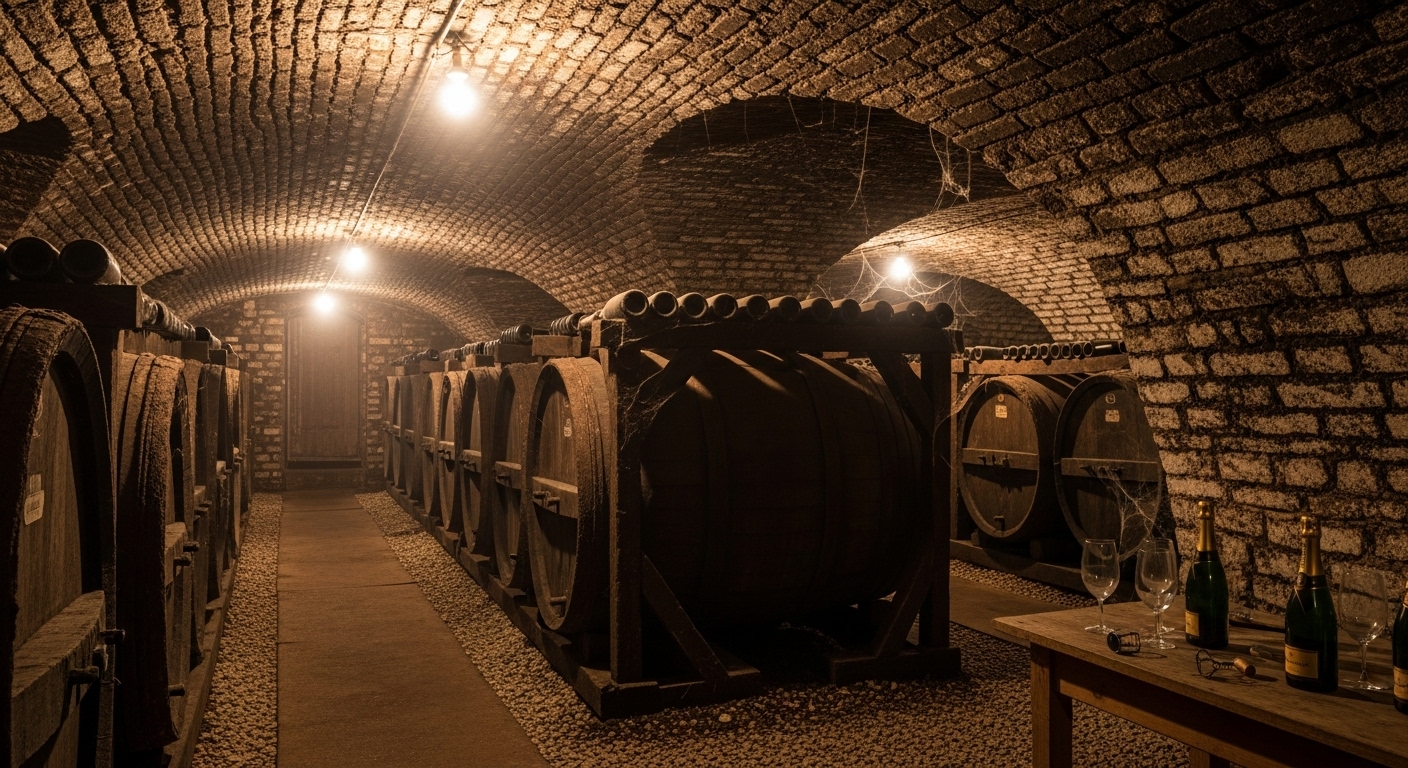
Before modern refrigeration, wine storage was a challenge. Underground cellars offered the perfect solution, maintaining consistent temperatures and humidity to protect wine quality. Over time, these cellars evolved into intricate networks with tunnels, chambers, and sometimes secret passages connecting estates and cities.
Benefits of underground wine cellars include:
- Temperature stability: Ideal conditions for aging wine without spoilage.
- Humidity control: Prevents corks from drying and preserves wine quality.
- Space optimization: Cities could store large quantities of wine without occupying valuable surface area.
- Historical preservation: Many cellars now double as heritage sites, preserving centuries-old architecture and craftsmanship.
These cellars combine functionality with culture, making them a must-visit for tourists interested in wine, architecture, and history.
1. Reims, France — Champagne’s Subterranean Wonders
Reims, located in the heart of France’s Champagne region, is famous for its sparkling wine and extensive underground cellars known as “crayères.” Carved into chalk beneath the city, these tunnels date back to Roman times and now house some of the world’s most prestigious champagne houses.
Visitors can explore labyrinthine passages lined with thousands of champagne bottles, learn about fermentation processes, and enjoy tastings guided by experts. The unique chalk walls maintain a cool, consistent climate, perfect for aging Champagne to perfection.
Reims’ underground wine cellars are a testament to centuries of winemaking mastery. Walking through them, you can feel the history, craftsmanship, and dedication poured into every bottle. Have you ever imagined exploring a wine cellar that feels like stepping back in time? Reims delivers that experience.
2. Porto, Portugal — The City of Port Wine
Porto, the birthplace of the world-famous Port wine, is home to numerous underground wine cellars along the Douro River in Vila Nova de Gaia. These cellars store and age thousands of barrels of port wine, some for decades, offering tours and tastings for curious travelers.
Cruises along the Douro River often complement visits to these cellars, providing scenic views of the city while exploring wine culture. Each cellar tells its own story, from family-run operations to international wine companies, allowing tourists to taste a variety of styles and ages of port wine.

For wine enthusiasts, Porto’s underground cellars are not just storage spaces — they are living museums of flavor, tradition, and heritage. Have you ever sipped wine in a cellar dating back hundreds of years? Porto offers this magical experience.
3. Bordeaux, France — Cellars of Elegance and History
Bordeaux is synonymous with fine wine, and its underground cellars are as legendary as the vineyards above. Many historic estates and châteaux feature subterranean storage, some extending for kilometers beneath the city.
Guided tours often showcase the evolution of winemaking techniques, traditional barrel storage, and modern innovations. Walking through Bordeaux’s cellars, visitors encounter a blend of history, science, and sensory delight, tasting wines that have matured in perfect conditions for decades.
Bordeaux’s underground wine cellars provide an unmatched opportunity to witness winemaking at its finest. For enthusiasts, it’s a pilgrimage where each barrel tells a story.
4. Ljubljana, Slovenia — Hidden Gems in the Heart of Europe
Ljubljana, Slovenia’s capital, is home to several underground wine cellars tucked beneath its charming streets and old town. While less famous than Reims or Bordeaux, these cellars offer intimate experiences with Slovenian wines, including reds, whites, and sparkling varieties unique to the region.
Tourists can enjoy guided tastings, learn about indigenous grape varieties, and explore beautifully preserved subterranean architecture. Slovenia’s wine cellars blend history, culture, and hospitality, providing a serene and authentic wine experience.
For travelers looking for hidden European gems, Ljubljana’s underground wine cellars provide a quiet, personal alternative to more crowded wine regions.
5. Siena, Italy — Tuscany’s Subterranean Secrets
Siena, a historic city in Tuscany, Italy, features underground wine cellars dating back to medieval times. Many of these tunnels and basements are beneath palaces and estates, offering storage for Chianti and other local wines.
Visitors can enjoy tastings, learn about medieval wine storage techniques, and even explore tunnels that were once secret passages connecting estates. Siena’s underground wine culture blends history, architecture, and viticulture in a way that’s hard to find elsewhere.
Walking through these cellars, tourists can feel a direct connection to centuries of winemaking tradition. Have you ever dreamed of sipping Chianti in a centuries-old medieval cellar? Siena makes it a reality.
6. Mendoza, Argentina — The Heart of South American Wine
Mendoza, Argentina, is renowned for Malbec, but its underground wine cellars are equally impressive. Many wineries feature subterranean storage facilities where barrels age in optimal conditions, ensuring perfect flavor and texture.
Tours often combine vineyard walks, cellar visits, and tasting sessions, allowing visitors to experience the full winemaking journey. The combination of high-altitude vineyards, sunny climate, and controlled underground storage produces wines that are celebrated worldwide.

Mendoza’s underground wine cellars offer a chance to connect with South American winemaking heritage, making it an essential stop for wine enthusiasts exploring the continent.
Why Visit Underground Wine Cellars?
Exploring underground wine cellars is about more than just tasting wine. These visits provide unique experiences:
- Historical insight: Learn about the evolution of winemaking techniques and storage methods over centuries.
- Cultural immersion: Understand the role of wine in local traditions, cuisine, and social life.
- Unique architecture: Discover labyrinths, tunnels, and cellars crafted for functionality and beauty.
- Tasting opportunities: Sample rare and aged wines that aren’t available elsewhere.
- Photography and storytelling: Capture the ambiance of dimly lit corridors, oak barrels, and historical settings.
Tips for Visiting Underground Wine Cellars
- Book guided tours in advance, especially in popular cities like Reims, Bordeaux, and Porto.
- Wear comfortable shoes for walking in dimly lit or uneven cellars.
- Ask questions about winemaking, grape varieties, and aging processes — guides are often passionate and knowledgeable.
- Bring a camera for capturing atmospheric cellar settings and barrel-lined tunnels.
- Consider pairing tours with local cuisine to enhance the tasting experience.
Cities famous for underground wine cellars offer travelers a unique blend of history, culture, and sensory pleasure. From Reims’ sparkling Champagne to Mendoza’s rich Malbec, exploring these hidden tunnels provides a deeper appreciation of wine, architecture, and tradition.
Have you ever visited an underground wine cellar? Or is it still on your bucket list? Share your experiences and thoughts — we’d love to hear your stories and recommendations!
For more wine journeys, hidden travel gems, and cultural adventures, follow WentWorld on our social media platforms and continue exploring the world from above and below.
Catch up on the top stories and travel deals by subscribing to our newsletter!