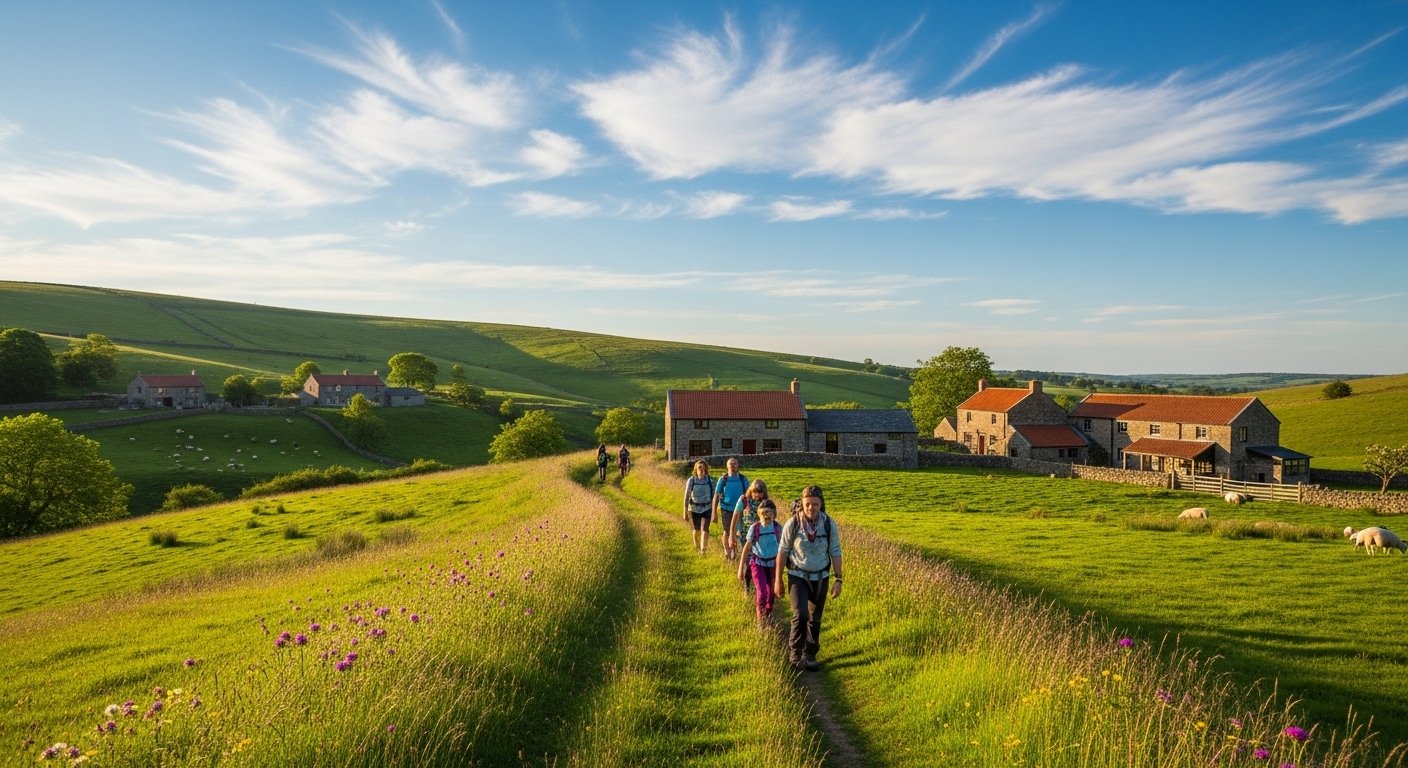
Walking a pilgrimage route doesn’t always have to be a religious endeavor. In fact, pilgrim paths for secular walkers offer a unique way to explore landscapes, local culture, and culinary traditions without focusing on spiritual elements. These paths, often centuries old, are rich in history, folklore, and community life. Traveling along them provides an immersive, slow-paced experience where the journey itself becomes the highlight.
If you’ve ever wondered about walking routes where you can taste regional delicacies, meet local storytellers, and stay in rustic farmhouses, then secular pilgrim paths might be exactly what you need. This guide will show you why these trails are special, how to plan your journey, and what experiences you shouldn’t miss along the way.
Why Secular Pilgrim Paths Are Worth Exploring
Traditional pilgrimages often attract those seeking spiritual enlightenment or religious devotion. But secular walkers are drawn to the same routes for different reasons:
- History and folklore: Pilgrim paths are steeped in stories, legends, and historical events that shaped the regions they traverse.
- Slow travel: Walking allows for unhurried exploration, giving time to notice landscapes, architecture, and small villages.
- Community interaction: Local markets, inns, and farm stays create opportunities for authentic cultural engagement.
- Culinary discovery: Routes often pass through regions famous for cheeses, wines, breads, and other local specialties.
Walking these routes offers a multi-sensory experience: the scent of fresh bread baking in village ovens, the sound of streams flowing alongside mossy paths, and the taste of dishes prepared with ingredients harvested just steps away.
1. Camino de Santiago, Spain – Beyond Spiritual Pilgrimage
The Camino de Santiago is perhaps the most famous pilgrimage in the world. While many walkers pursue it for spiritual reasons, secular travelers find joy in its history, gastronomy, and community. Along the route, you’ll encounter charming villages where albergues (hostels) offer hearty meals and opportunities to meet fellow travelers from all over the globe.
Local folklore is woven into every stop. In small towns, you might hear tales of medieval pilgrims, knights, and regional legends passed down through generations. Culinary highlights include Galician empanadas, octopus dishes, and local wines, all enjoyed in rustic taverns and roadside eateries. Staying in farmhouses along the route adds another layer of authenticity, letting walkers experience rural Spanish life firsthand.
2. Via Francigena, Italy – Food-Focused Routes
Stretching from Canterbury to Rome, the Via Francigena is a historic route rich in history and gastronomy. Secular walkers can explore rolling Tuscan hills, vineyards, and medieval towns while sampling fresh cheeses, olive oils, and wines directly from local producers. Many farms along the route offer overnight stays, often including home-cooked meals made from ingredients grown on the property.
The route also has a strong connection to regional folklore. Towns have unique festivals, music, and traditional crafts, which walkers can experience firsthand. This combination of walking, food, and storytelling makes the Via Francigena an ideal path for those who want culture and adventure without religious focus.
3. Shikoku Pilgrimage, Japan – Nature and Tradition
Japan’s Shikoku Pilgrimage involves visiting 88 temples, but many secular walkers approach it as a scenic and cultural journey. The path passes through mountains, forests, and coastal villages, offering opportunities to experience local culinary delights such as soba noodles, fresh seafood, and regional sweets.
Folklore is abundant here, from ghost stories to tales of wandering monks and local spirits. Staying at minshuku (family-run guesthouses) or farm stays allows walkers to connect with local families, learn about traditional crafts, and enjoy homemade meals. The route encourages mindfulness and presence, even without religious motivation, as walkers engage deeply with the landscape and culture.
4. The West Highland Way, Scotland – Legends and Local Fare
Scotland’s West Highland Way offers rugged landscapes, lochs, and historic towns. Secular walkers can explore Celtic legends, clan histories, and folklore tied to castles and moors along the route. Local pubs serve hearty fare, including haggis, black pudding, and freshly caught trout, giving travelers a taste of the Highlands.
Farm stays and small inns provide opportunities to learn about rural life in Scotland. You might help with sheep herding, baking bread, or gathering fresh ingredients for a communal meal. The combination of walking, food, and storytelling creates a deep sense of connection with the region.
5. The Lycian Way, Turkey – Coastal Paths and Culinary Delights
For walkers who enjoy sea views, the Lycian Way in southwestern Turkey offers coastal paths, ancient ruins, and small villages where traditions remain strong. Secular walkers can explore local folklore about pirates, ancient traders, and regional legends while enjoying fresh seafood, olive oil, and handmade cheeses.
Farm stays along the route provide a base for immersing in village life. Guests can join in daily routines, such as collecting eggs, preparing meals, or participating in local craft activities. Walking this route is as much about community engagement as it is about scenic exploration.
Tips for Planning a Secular Pilgrimage
To get the most out of your journey, consider these tips:
- Choose your route wisely: Select paths that match your physical ability and interests, whether it’s coastal walks, mountainous trails, or culinary-focused routes.
- Research accommodations: Farm stays, minshuku, and small inns provide authentic experiences. Book in advance during busy seasons.
- Pack light: A comfortable backpack, walking shoes, and weather-appropriate clothing are essential.
- Engage with locals: Ask about traditions, recipes, or local legends — many communities are happy to share.
- Embrace slow travel: Walking these routes is about the journey, not the destination. Allow time to explore, taste, and connect.
- Document your experience: Journaling or photography can help capture the memories and stories you encounter.
Food as a Cultural Connector
One of the most rewarding aspects of secular pilgrimages is food. Regional cuisine often reflects centuries of tradition, seasonal changes, and local resources. Walking paths frequently pass through vineyards, olive groves, cheese farms, and small villages where you can taste local specialties directly from the source.
Participating in food preparation at farm stays adds another layer of immersion. Learning to make handmade pasta in Tuscany, rolling sushi in Shikoku, or baking bread in Galicia connects travelers to culture through a sensory, hands-on experience.
Folklore and Stories Along the Way
Every path has its stories. From ghost legends in Scotland to pirate tales along Turkey’s coast, folklore enriches the journey. Engaging with local storytellers, attending village festivals, or simply chatting with innkeepers allows walkers to collect a patchwork of tales and traditions. These narratives turn ordinary landscapes into living history, giving travelers a sense of continuity and connection with the past.
Farm Stays and Community Immersion
Staying in farmhouses or family-run guesthouses transforms walking trips into cultural exchanges. Guests often participate in daily routines: feeding animals, harvesting crops, or preparing meals. These interactions provide insight into rural life, foster connections with hosts, and allow for hands-on learning that extends beyond typical sightseeing.
Farm stays also encourage sustainability and responsible tourism. Visitors support local economies and gain a sense of satisfaction from participating in traditional, environmentally conscious practices.

Seasonal Considerations
Walking pilgrim paths is highly influenced by seasons. Spring and autumn often offer mild weather and fewer crowds, while summer brings festivals and vibrant landscapes. Winter walks can be quieter but require preparation for colder conditions and shorter daylight hours. Timing your visit around seasonal events, harvests, or festivals can enhance the experience significantly.
Planning for Safety and Comfort
Even on secular pilgrimages, safety is important:
- Inform someone about your itinerary and expected arrival times.
- Carry a basic first aid kit and sufficient water.
- Check local weather and trail conditions.
- Use appropriate footwear and walking aids if necessary.
- Respect local customs and private property along the route.
We’d love to hear from you! Have you walked a historic route for food, folklore, or farm stays rather than spiritual reasons? Which paths left the strongest impression, and what experiences would you recommend to fellow travelers? Share your stories in the comments below and inspire others to take the scenic, cultural, and culinary route on their next journey. Follow us on social media for more travel guides, immersive experiences, and tips on exploring the world beyond traditional tourism.
Catch up on the top stories and travel deals by subscribing to our newsletter!