
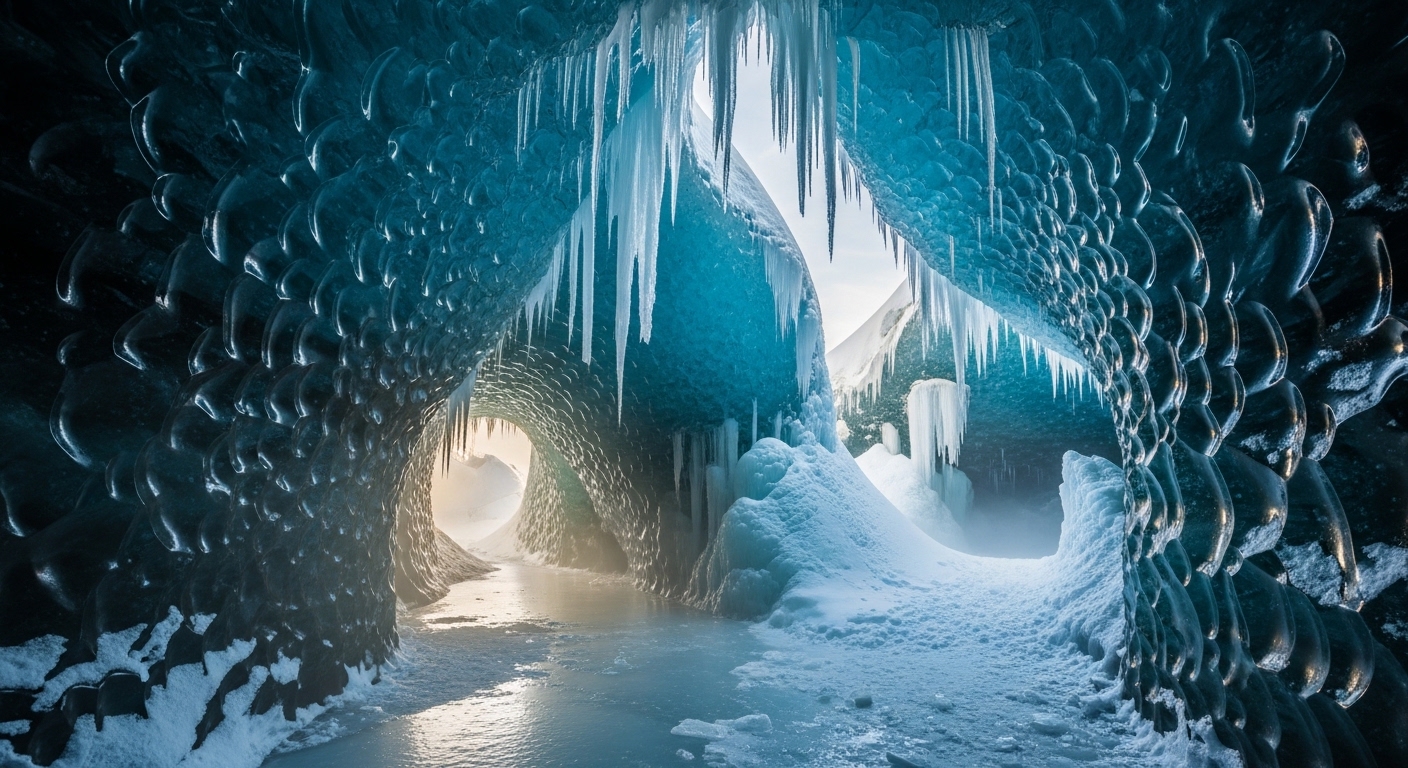
Imagine stepping into a cavern where the wind doesn’t just blow — it sings. Welcome to the mysterious world of ice choir caves where wind sings underground. These extraordinary natural formations combine geology, climate, and acoustics to create spaces unlike anything on Earth. They are a mesmerizing fusion of ice, stone, and sound, capturing the imagination of explorers, scientists, and travelers alike.
Have you ever wondered how wind can create music? Or how ice caves form in ways that turn air currents into an underground orchestra? If so, you’re in for a journey beneath the surface, where nature composes symphonies in crystal chambers.
This guide will take you through the wonders of ice choir caves: how they form, why the wind sings, the best places to visit them, and what to expect when you step inside. Along the way, we’ll explore the science, history, and sheer magic of these frozen soundscapes.
What Are Ice Choir Caves?
Ice choir caves are natural caves partially or entirely lined with ice that, when wind passes through, produce hauntingly melodic sounds. The phenomenon occurs when the cave’s unique geometry, ice formations, and air flow combine to create resonance — much like a giant organ or wind instrument.
While many people are familiar with ice caves for their visual beauty, few realize that some caves are designed by nature to produce sound. In these spaces, every gust of wind passing through narrow passages or over icicles can produce low hums, whistling tones, or ethereal harmonies.
The effect is so pronounced that explorers often describe it as a choir singing in the dark. In fact, these caves are sometimes called “sounding caves” or “singing ice caves” in local folklore.
How Do They Form?
The formation of ice choir caves is a combination of geological, climatic, and hydrological factors:
- Geology: Most caves form in limestone or volcanic rock, which erodes to create chambers and tunnels. The shape of these passages determines how air will move and resonate.
- Ice Accumulation: Seasonal freezing or underground springs deposit ice in sheets, columns, or stalactites. The thickness and shape of ice formations affect acoustic properties.
- Wind Movement: Differences in air pressure at cave entrances push air through chambers. Narrow openings, vent shafts, and ice structures amplify or modulate these air currents.
The interplay of these elements creates natural acoustics, producing sounds that can range from deep, rumbling tones to delicate, high-pitched whistles.

The Science Behind the Singing Wind
Scientists studying ice choir caves have discovered that the singing effect is a form of natural resonance. When air moves past openings of specific dimensions or over ice ridges, it vibrates at certain frequencies. These frequencies interact with the cave’s walls and ceiling, producing harmonics that resemble music.
Interestingly, each cave has its own “voice.” Even two caves in the same region can produce entirely different sounds because of variations in size, shape, and ice formation. In some cases, temperatures inside the cave affect the pitch: colder air produces higher tones, while slightly warmer conditions create lower, deeper notes.
In addition to acoustics, ice choir caves are delicate ecosystems. Tiny microorganisms survive in pockets of ice, and bat species often inhabit the darker recesses. These caves are living laboratories where geology, biology, and physics intersect.
Notable Ice Choir Caves Around the World
If you want to experience an ice choir cave for yourself, several destinations are known for this phenomenon:
- Mendenhall Ice Caves, Alaska: Beneath the Mendenhall Glacier near Juneau, these ice tunnels produce soft humming when wind flows through the glacier’s meltwater channels.
- Eisriesenwelt, Austria: The world’s largest ice cave, located near Werfen, features narrow passages where gusts of wind echo through icy chambers like a hidden orchestra.
- Dobšinská Ice Cave, Slovakia: A UNESCO World Heritage site in the Slovak Paradise, known for ice stalagmites that chime when air currents pass between them.
- Chamonix Ice Caves, France: Glacial caves in the Mont Blanc region occasionally produce whistling sounds from air trapped in ice tunnels, creating natural melodies that attract tourists and climbers.
Each cave offers a unique combination of visual beauty and acoustic magic, making them prime destinations for adventurous travelers and sound enthusiasts.
Experiencing an Ice Choir Cave
Visiting these caves requires preparation. Temperatures inside can drop below freezing, and ice formations can be slippery. Specialized equipment like crampons, helmets, and headlamps is often necessary. Guided tours are highly recommended to ensure safety and to help you locate the most sonorous passages.
Once inside, silence becomes crucial. Even small noises can overwhelm the delicate sounds of wind through ice. As you move through chambers, pause and listen. Some visitors report moments of pure wonder, as if nature is performing a private concert just for them.
Here are some tips to enhance your experience:
- Visit during winter or early spring when ice is stable.
- Wear insulated clothing and waterproof boots.
- Bring a camera, but avoid using flash constantly to preserve ice integrity.
- Observe the cave respectfully—many caves are sensitive habitats.
The Cultural Significance of Singing Caves
Throughout history, communities living near ice caves often regarded them as sacred. The haunting sounds were believed to be voices of spirits or messages from ancestors. In some Alpine villages, local legends describe ice choirs warning of avalanches or guiding travelers during storms.
Modern sound artists and musicians have even recorded these caves to incorporate natural harmonics into compositions. The ethereal quality of wind through ice provides inspiration for everything from ambient music to experimental soundscapes.

Tourism, Conservation, and Ethics
Ice choir caves are fragile. Tourism brings economic opportunities but also risks damaging delicate ice formations. Visitors must balance curiosity with responsibility.
Some ethical considerations include:
- Staying on marked paths to prevent collapse of ice features.
- Avoiding loud noises that disrupt the acoustic experience and wildlife.
- Supporting local conservation programs or guided tours that prioritize preservation.
By following these practices, travelers can enjoy the magic of ice choir caves while helping to protect them for future generations.
Why You Should Visit an Ice Choir Cave
Visiting an ice choir cave is more than sightseeing. It’s a multisensory adventure that blends science, art, and nature. You can:
- Witness natural acoustics unlike any concert hall.
- Learn about glaciology, geology, and climate change firsthand.
- Capture stunning photographs of otherworldly ice formations.
- Reconnect with nature in a meditative, almost spiritual environment.
For travelers who crave unique experiences, ice choir caves offer something rare: a chance to hear nature perform.
Final Thoughts: The Magic Beneath the Ice
Ice choir caves where wind sings underground are living reminders of nature’s artistry. They challenge our perception of silence and sound, permanence and change. In these frozen chambers, air becomes music, and ice becomes both instrument and stage.
Next time you plan a winter adventure, consider exploring these underground symphonies. And when you listen, think about the delicate balance that makes them possible—and how humanity can preserve such wonders.
Have you ever visited a cave where wind seemed to sing? What was your experience like? Share your thoughts and stories with us in the comments. And if you enjoy discovering hidden natural marvels, follow WentWorld on social media for more breathtaking adventures.
Catch up on the top stories and travel deals by subscribing to our newsletter!










Leave a Reply
You must be logged in to post a comment.