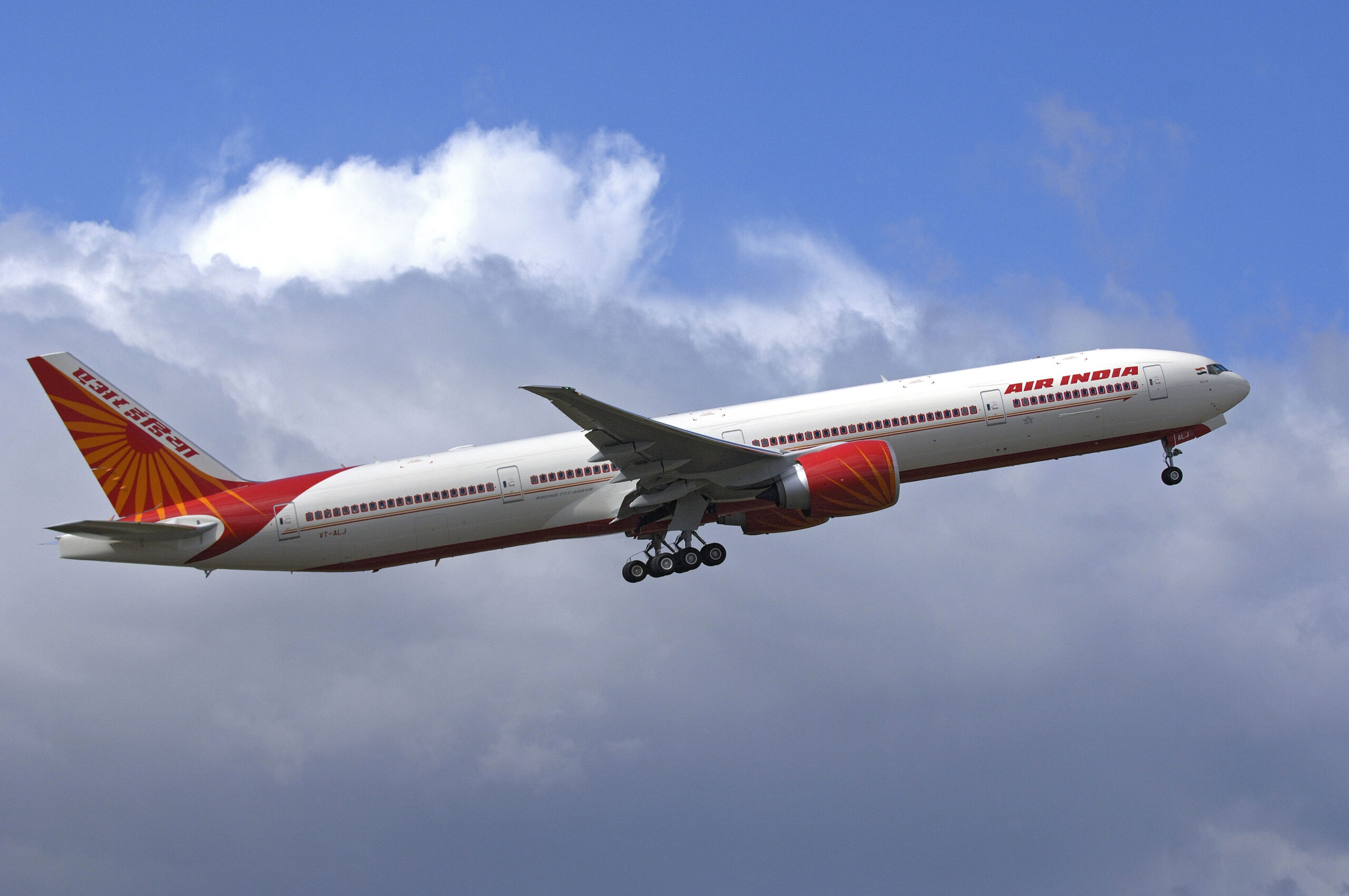
Air India faced an urgent emergency when its flight from Birmingham to Delhi received a bomb threat. Consequently, the pilots diverted the plane to Riyadh to follow emergency procedures immediately. Since aviation threats remain widespread, airlines must act quickly to protect everyone onboard.
Soon after the alert, the crew informed authorities and began rerouting toward Saudi Arabia. Upon landing, Saudi officials evacuated the passengers without delay and searched the aircraft thoroughly. Although the process took time, it ensured safety and avoided panic among travelers.
Meanwhile, the passengers remained anxious as they waited for updates from Air India. However, the limited communication worsened their confusion and delayed their understanding of the situation. Therefore, airlines must prioritize real-time communication during crises to reduce fear and uncertainty.
Additionally, the incident highlights global cooperation in aviation security. Saudi teams acted fast and coordinated with Air India efficiently. This level of teamwork proves essential when managing potential threats on international flights.
As a result, Air India now faces major operational challenges and reputational pressure. Emergency landings affect airline budgets, but more importantly, they shake customer trust. Thus, Air India must improve its crisis communication and build stronger emergency management systems.
Furthermore, the aviation sector must focus on better training and faster threat response methods. Airlines should conduct frequent safety drills to stay prepared for unexpected events. Meanwhile, travelers should follow official updates and stay calm during such situations.
In conclusion, this Air India emergency emphasizes the urgent need for strong security and better crisis plans. If airlines and authorities act quickly and communicate clearly, they can maintain passenger trust and ensure safety.
Related stories:
Catch up on the top stories and travel deals by subscribing to our newsletter!