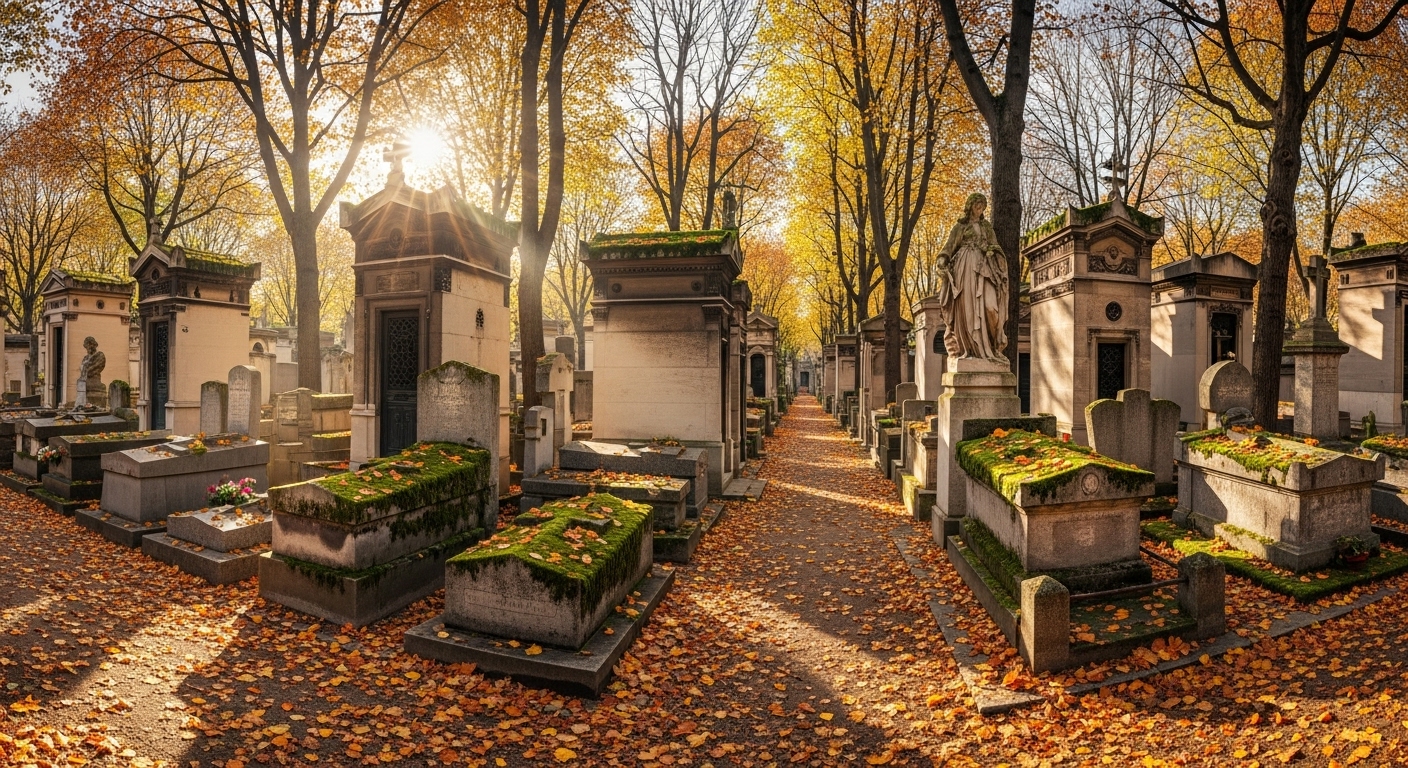
When you think of exploring a city, you probably imagine walking through historic districts, visiting museums, or tasting the local cuisine. But have you ever considered visiting a cemetery to understand a city’s past? It might sound eerie or unconventional, but exploring cities through their cemeteries reveals a side of history that’s raw, personal, and deeply human.
Cemeteries are more than just resting places. They are living stories set in stone. Gravestones, epitaphs, mausoleums, and memorial gardens tell tales of the people who once walked the same streets you’re exploring now. In many cities, cemeteries are beautiful, peaceful spaces filled with architecture, art, and whispers from the past.
But what exactly can we learn from these places? Why are more travelers—including writers, artists, and even historians—choosing to spend part of their city tours among the dead? Let’s dive into this quiet world of remembrance, identity, and forgotten tales.
Why Cemeteries Are Unexpected History Books
In traditional museums, history is often curated, organized, and categorized. But cemeteries? They’re raw, messy, and real. Every tombstone represents a life. Some are grand and celebrated, others humble and nearly hidden. That contrast tells you so much about the social, cultural, and economic layers of a city.
For instance, walking through Père Lachaise in Paris introduces you to great artists like Oscar Wilde and Edith Piaf. In Buenos Aires, La Recoleta Cemetery is practically a city in itself, where you can visit Eva Perón’s crypt among elaborate marble tombs. Meanwhile, lesser-known graveyards in small towns often tell even more emotional stories—tragedies, epidemics, migration patterns, and forgotten legacies.
The Art and Architecture of Memory
Have you ever noticed how cemeteries often feel like open-air museums? Many boast stunning sculptures, angelic statues, gothic mausoleums, and intricate ironwork. These elements aren’t just decorative—they reflect the beliefs, values, and artistic trends of their time.
For example, Victorian cemeteries are full of symbolism. A weeping willow tree signifies mourning; broken columns represent a life cut short; clasped hands symbolize eternal unity. Each monument carries its own story, and once you begin to read the symbols, cemeteries become surprisingly rich with meaning.
Local Legends and Famous Residents
Every city has its legends, and many of them are buried right beneath your feet. Cemeteries are full of local heroes, rebels, inventors, artists, and unsung souls whose stories shaped the place you’re visiting. Walking through their final resting places connects you to a city’s DNA in a way no museum ever could.
Have you ever stood beside a poet’s grave and whispered their words? Or visited a war hero’s tomb and imagined their battles? These moments create emotional bridges between past and present—between strangers and ourselves. Suddenly, history becomes more than dates. It becomes deeply personal.

Cultural Insights Hidden in Plain Sight
How people honor their dead tells you everything about their living culture. Some cities celebrate death with color and joy—like Mexico during Día de los Muertos—while others lean into quiet reflection. Tomb designs, languages engraved, and rituals observed all reveal cultural norms, spiritual beliefs, and historical transitions.
For instance, Jewish cemeteries often contain stones placed on graves instead of flowers. In some Asian cultures, ancestral graves are visited and cleaned regularly. Meanwhile, African-American cemeteries in the southern United States are deeply tied to oral histories and community memory. Each graveyard is a cultural encyclopedia waiting to be read.
Respectful Travel: How to Explore with Care
Of course, exploring cities through their cemeteries requires sensitivity. These are sacred spaces, and while they may be full of stories, they also deserve respect. Here are a few simple tips for visiting respectfully:
- Keep your voice low and demeanor calm.
- Don’t sit or lean on graves or monuments.
- Avoid loud music, food, or unnecessary noise.
- Stick to paths where possible and avoid stepping over graves.
- Read, observe, reflect—but always be respectful of local customs.
In fact, many cemeteries offer guided tours or pamphlets that explain the significance of particular graves. This can add depth and context to your visit while ensuring you’re treading carefully through history.

Unexpected Beauty and Stillness
One of the most powerful aspects of cemetery visits is the sense of stillness they provide. Amid the chaos of travel, they offer a pause—a breath. The quiet encourages reflection not just on those who’ve passed, but on our own journey, too. In a way, cemeteries help us live more fully.
So, next time you find yourself in a bustling city, consider stepping into the silence of a local cemetery. Walk slowly. Read the names. Let the stories settle into your memory. You might walk out with more insight than any city tour could ever offer.
Have you explored a city’s cemetery before? What did you discover? Was it peaceful, emotional, eye-opening—or all of the above? Share your thoughts in the comments—we’d love to hear your experience. If you enjoyed this blog, don’t forget to follow WentWorld.com on social media for more offbeat travel ideas and deep dives into destinations most people overlook. Sometimes, the quietest places tell the loudest stories.
Catch up on the top stories and travel deals by subscribing to our newsletter!