When most people think of travel, they imagine famous landmarks, bucket-list destinations, and popular tourist activities. But beyond the glossy surface of postcard-perfect attractions lies something far more fascinating: subcultures. From underground art scenes in Berlin to street fashion in Tokyo, exploring global subcultures through travel opens doors to the unique, vibrant, and often hidden expressions of local identity.
Every country—and often every city—has its own subcultures that thrive just beneath the mainstream. These aren’t just niche communities; they’re reflections of local creativity, rebellion, tradition, and evolution. If you’ve ever wanted to dive deeper into a place, this is how. Travel becomes richer, more personal, and significantly more enlightening when you engage with its subcultures.
What Are Subcultures and Why Should Travelers Care?
Subcultures are groups of people within a larger culture who differentiate themselves through shared interests, values, aesthetics, or behaviors. These groups may form around music, fashion, beliefs, technology, or even lifestyle choices. For example, the skateboarding scene in California, the punk movement in London, or the K-pop fandom in South Korea.
When you focus on exploring global subcultures through travel, you begin to see the world not just as a collection of countries, but as a rich patchwork of human experience. You move beyond stereotypes and tourist traps and enter into stories of creativity, resistance, expression, and belonging. These stories often say more about a place than its guidebooks ever could.
1. Harajuku Fashion in Tokyo, Japan
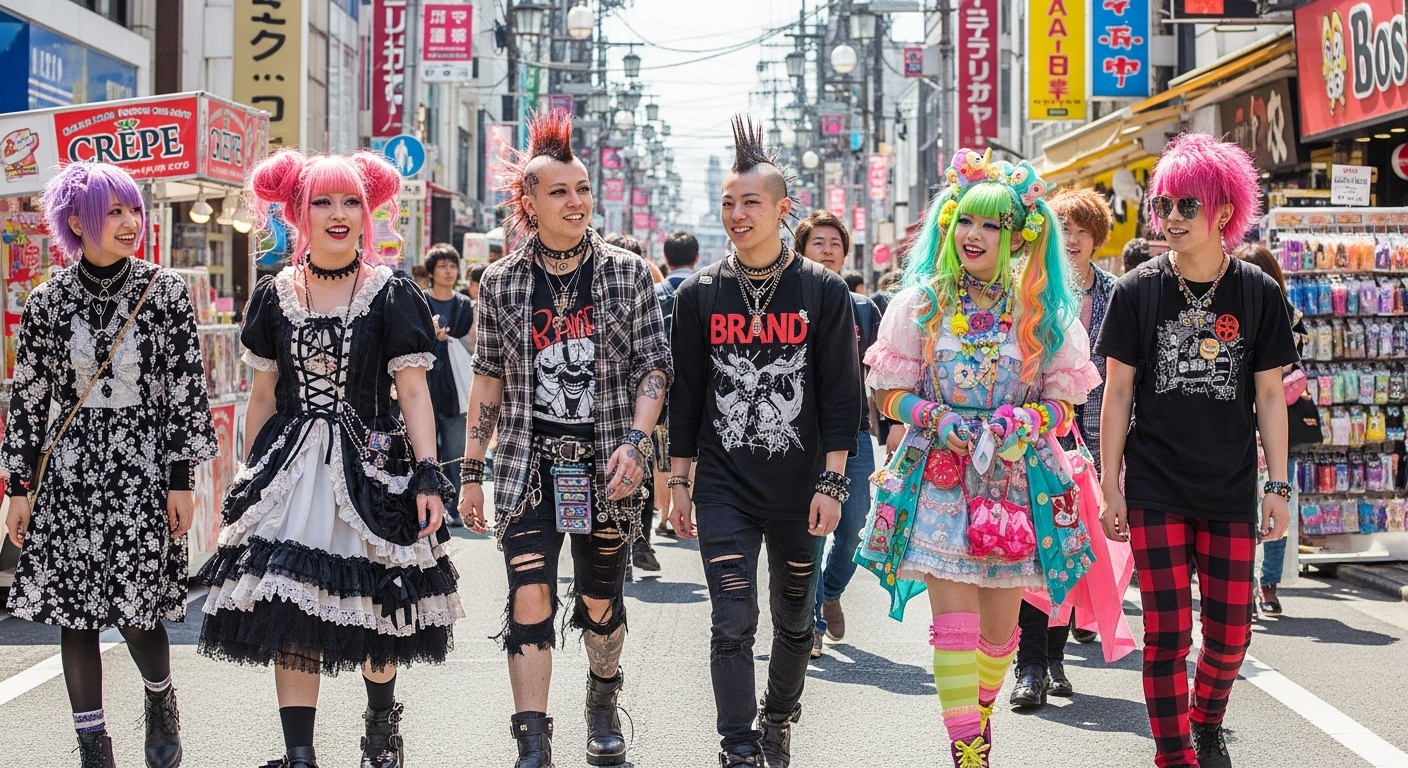
Harajuku isn’t just a neighborhood in Tokyo—it’s a style revolution. Youth-driven and visually fearless, Harajuku fashion blends anime, gothic, punk, and kawaii influences to create something entirely new. On weekends, Takeshita Street becomes a runway for self-expression.
By engaging with this scene—whether through people-watching, exploring second-hand stores, or even joining a fashion walk—you get a glimpse of how Tokyo’s youth challenge conformity in a society often known for uniformity. It’s a powerful lens into rebellion, art, and identity.
2. Hip-Hop Culture in Johannesburg, South Africa
Johannesburg’s hip-hop scene isn’t just music—it’s a movement. Emerging from the townships, it blends American influences with local dialects, political commentary, and African beats. Street battles, graffiti murals, underground venues, and freestyle sessions reflect the struggles and resilience of a new generation.
Exploring global subcultures through travel becomes a lesson in history and hope when you spend an evening at a local cipher or hear a DJ spin township beats with lyrical storytelling that addresses everything from corruption to pride.
3. Berlin’s Underground Club Scene
Berlin is a global capital for techno music and underground club culture. But it’s more than just parties. It’s about freedom, resistance, inclusivity, and pushing boundaries. Clubs like Berghain aren’t just nightlife spots—they’re cultural landmarks where music, fashion, and politics merge.
To understand Berlin, you have to understand this culture. Dress down, leave your phone at home, and prepare for an experience that strips away pretense and puts focus on connection, rhythm, and raw authenticity.
4. LGBTQ+ Subcultures in Bangkok, Thailand
While Thailand is known for its hospitality, the LGBTQ+ community in Bangkok has carved out vibrant and visible spaces that challenge norms and celebrate identity. From drag performances and queer art exhibitions to pride parades and safe cafes, these spaces foster self-expression and advocacy.
Travelers who explore these spaces are often welcomed with open arms. You not only gain insight into the diversity of gender and sexuality in Thai culture, but also witness resilience in a society still navigating its relationship with tradition and modernity.
5. Reggae Roots in Kingston, Jamaica
Jamaica gave the world reggae—but it gave even more than that. The roots culture in Kingston encompasses music, Rastafarian beliefs, dreadlock aesthetics, and anti-colonial resistance. It’s not just Bob Marley; it’s a spiritual and cultural identity.
Walking through Trench Town or visiting a local sound system session offers a deeply personal connection to this culture. You begin to understand that reggae is not just sound—it’s soul, protest, community, and hope.
6. Skateboarding Culture in Barcelona, Spain
Barcelona has become one of the world’s skateboarding capitals. Why? Smooth pavements, unique architecture, and a laid-back vibe attract skaters from around the globe. But more than that, the community here has created its own rhythm—one that blurs the line between rebellion and art.
By watching locals skate in MACBA (Barcelona Museum of Contemporary Art) or joining a community skate event, you witness how urban space can be reclaimed and reinterpreted through subcultural energy.
7. The Sami People in Northern Scandinavia
Subcultures aren’t always urban or modern. The Sami, an Indigenous people in Norway, Sweden, Finland, and Russia, have preserved unique languages, clothing, music, and reindeer-herding lifestyles for centuries. While facing pressures of assimilation, many Sami continue to celebrate and share their heritage.
Exploring global subcultures through travel sometimes means going remote. Visiting Sami cultural centers or participating in seasonal festivals allows travelers to better understand the tension between tradition and progress—and the importance of cultural preservation.
8. Capoeira Communities in Salvador, Brazil
Capoeira isn’t just a martial art—it’s dance, music, and ritual rooted in resistance. Born from enslaved Africans in Brazil, it was disguised as a dance to avoid punishment. Today, in Salvador, it thrives as a powerful celebration of identity and empowerment.
Tourists can join workshops, visit local rodas (circles), or speak with capoeira masters to learn about this rhythmic, graceful, and powerful cultural form. It is one of the most moving subcultural expressions in the world.

9. Youth Culture and Street Art in Bogotá, Colombia
Street art in Bogotá is booming, and it’s more than pretty walls. Artists use public space to speak out against injustice, celebrate identity, and reclaim narratives. Alongside it thrives a growing youth culture influenced by punk, ska, and indigenous resistance.
Guided street art tours or DIY walks through La Candelaria open your eyes to the layered stories behind each mural. It’s political, it’s beautiful, and it’s urgent.
10. The Techno-Environmental Movement in Copenhagen, Denmark
Copenhagen’s young creatives have formed a unique subculture at the intersection of electronic music, sustainability, and activism. Rooftop gardens host raves. Bicycles double as mobile DJ booths. Eco-festivals blend nightlife with environmental education.
This futuristic blend of fun and responsibility reflects Denmark’s progressive culture but with a punk twist. You don’t just party here—you participate in shaping a better world.
How to Respectfully Explore Subcultures
Before diving in, understand that subcultures are often deeply personal. Some are political. Others are sacred. Respect is non-negotiable.
- Do your research—understand the context before engaging.
- Be invited, not intrusive. Some spaces are not for tourists.
- Support local artists, venues, and creators.
- Ask questions—but be okay with silence, too.
- Don’t treat subcultures as entertainment—they are lived experiences.
Why Subcultural Travel Is More Relevant Than Ever
As globalization continues to shape modern societies, many local subcultures are resisting cultural homogenization. By choosing to explore these communities, you’re not only enriching your own journey—you’re supporting the survival and celebration of difference.
Exploring global subcultures through travel also adds depth to your own story. It teaches empathy, curiosity, and the power of connection. You begin to see how deeply humans crave meaning, identity, and self-expression.
Have you ever stumbled upon a subculture during your travels? Maybe you joined a samba street parade in Rio or danced through the night in a Korean punk club. We’d love to hear your stories. Share your experiences in the comments—and let us know what hidden cultures made your trip unforgettable. And don’t forget to follow us on social media for more cultural deep dives and offbeat travel inspiration.
Catch up on the top stories and travel deals by subscribing to our newsletter!