
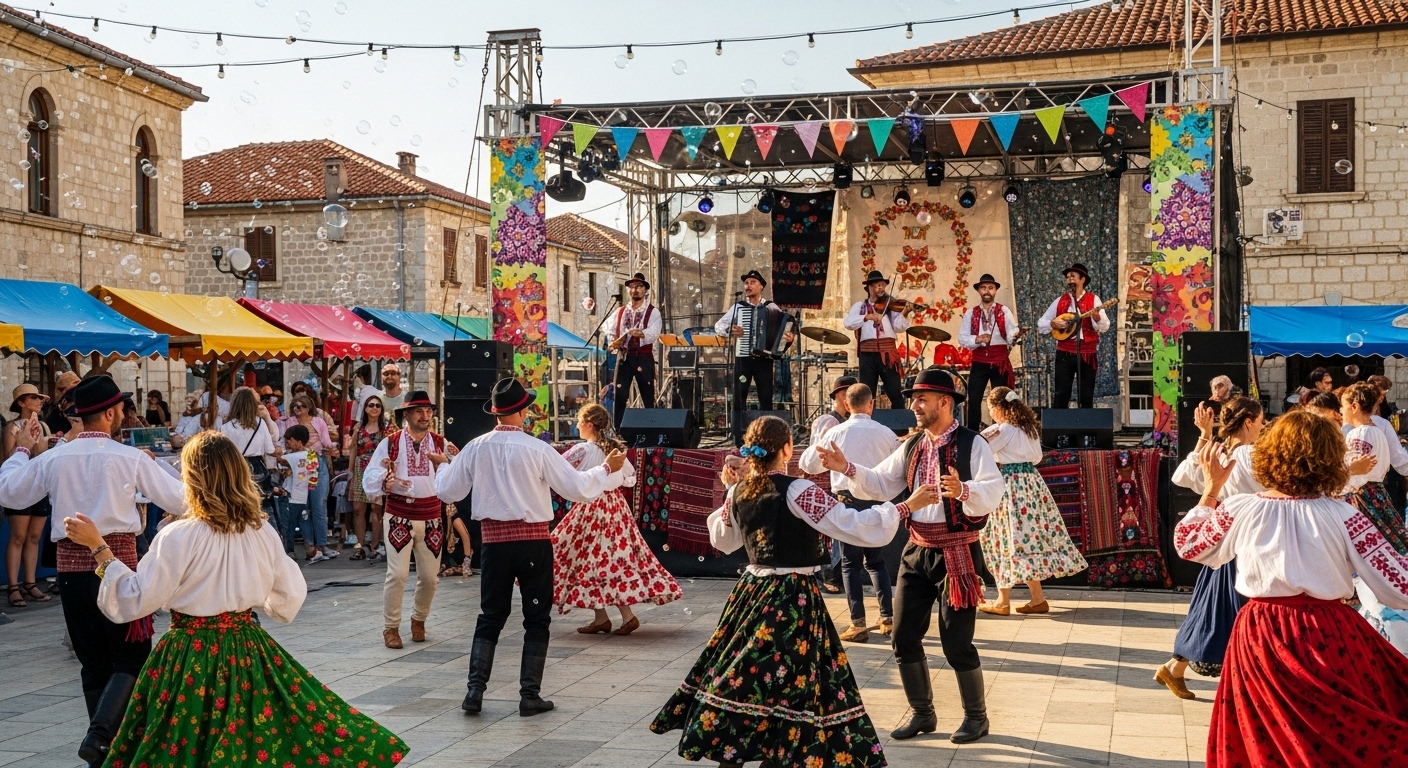
Introduction: Why Traditional Music Festival Travel Feels So Powerful
Have you ever planned an entire trip around a festival? Many travelers focus on landmarks and sightseeing, but planning travel around music festivals creates a far deeper experience.
Traditional music festival travel connects travelers with the soul of a destination. Instead of watching culture from a distance, you step directly into it.
Imagine walking through the streets of Lisbon while soulful Fado music fills the evening air. Picture yourself surrounded by locals who have celebrated these songs for generations.
Now imagine traveling to Japan and hearing powerful Taiko drums echo through summer festival grounds. The rhythm alone can make the experience unforgettable.
These moments show why traditional music festival travel creates such meaningful journeys. Music transforms destinations into living cultural stages.
Instead of visiting a place for a few photos, you experience traditions, emotions, and stories that locals carry through music.
But planning a trip around these festivals requires thoughtful preparation. Timing, local traditions, and travel logistics all play an important role.
So how do you plan the perfect journey around traditional music festivals? What destinations offer the most authentic musical celebrations?
This guide explores how to plan an unforgettable trip built around music, culture, and global traditions.
The Magic of Traveling for Music Festivals
Music has always played a powerful role in human culture. Long before modern tourism existed, communities gathered around songs, instruments, and storytelling.
Traditional music often reflects centuries of history. Every rhythm, instrument, and melody tells something about a region’s identity.
When travelers attend festivals, they witness culture in motion rather than reading about it in books.
A violin performance at a European folk festival may represent agricultural traditions. Meanwhile, powerful drum performances in African communities often carry spiritual meaning.
Many indigenous communities in South America preserve ancestral stories through chants and music passed through generations.
This emotional connection explains why traditional music festival travel feels different from ordinary tourism.
You do not simply watch a show. You become part of a celebration shared by locals and visitors alike.
Have you ever heard music in another country that instantly gave you goosebumps?
Those emotional moments often become the memories travelers remember long after returning home.

Choosing the Right Festival Destination
The world hosts thousands of traditional music festivals every year. Some are intimate community celebrations while others attract global audiences.
Choosing the right destination depends on the type of cultural experience you want.
One well-known example is the Montreux Jazz Festival in Switzerland. While famous for jazz, it also celebrates world music traditions.
Another remarkable event is the Celtic Connections Festival in Glasgow.
This festival highlights Celtic heritage through folk music, storytelling, and traditional instruments.
Different regions around the world celebrate unique musical traditions.
Spain celebrates passionate flamenco guitar festivals. Ireland hosts lively folk gatherings filled with fiddles and traditional dance.
India offers classical music festivals featuring sitars, tablas, and centuries-old compositions.
Each destination offers a different cultural rhythm. Choosing the right one is the first step in planning traditional music festival travel.
Do you prefer a small village celebration where locals welcome travelers personally?
Or would you enjoy a large international festival filled with artists from around the world?
Timing Your Trip Around Festival Calendars
Festival timing plays a critical role when planning your trip.
Many traditional music festivals align with cultural events, harvest seasons, or religious celebrations.
European folk festivals often occur during summer months when outdoor performances attract larger crowds.
Asian festivals frequently follow lunar calendars, meaning dates can change slightly each year.
Researching official tourism websites helps travelers confirm accurate festival dates.
Planning early ensures you do not miss important celebrations during your visit.
Flights and accommodation often sell out quickly once festival announcements appear.
Careful scheduling ensures your traditional music festival travel experience happens at the perfect time.
Have you ever arrived somewhere just after the festival ended? Proper planning helps avoid that disappointment.
Experiencing Culture Beyond the Music
Music may be the main attraction, but traditional festivals offer much more.
Food stalls, artisan markets, dance workshops, and storytelling events often surround the main performances.
Visitors frequently discover regional dishes they might never find in restaurants.
Handmade instruments and traditional clothing also appear in festival markets.
Some festivals include cultural workshops where visitors learn dance steps or basic musical techniques.
These experiences transform traditional music festival travel into a complete cultural journey.
Travelers do not just listen to music. They learn, taste, and participate in traditions.
Often the unexpected discoveries become the most memorable parts of the trip.
Planning Flights and Transportation
Transportation planning becomes essential when attending major festivals.
Popular destinations attract thousands of visitors during peak celebration periods.
Major airlines such as Emirates and Lufthansa often add additional routes during major cultural events.
However, many traditional festivals take place in rural areas.
Travelers may need to combine flights, trains, buses, or ferries to reach these destinations.
Planning transportation early reduces travel stress.
It also allows travelers to enjoy scenic routes along the way.
A mountain train ride or coastal ferry trip often becomes part of the adventure.
Choosing Where to Stay During Festivals
Accommodation options vary widely depending on festival location.
Large cities provide hotels, hostels, and apartment rentals.
Smaller villages often offer guesthouses, homestays, or temporary camping areas.
Some travelers prefer staying close to festival venues to experience every performance.
Others choose quieter accommodation outside crowded areas.
Homestays often provide the most authentic cultural experience.
Local hosts frequently share insights about traditions and hidden festival experiences.
Respecting Cultural Traditions
Traditional festivals represent heritage preserved for generations.
Visitors should approach these events with curiosity and respect.
Some performances may have spiritual or ceremonial meaning.
Photography might be restricted during certain cultural moments.
Dress codes may also apply during sacred celebrations.
Understanding local customs ensures responsible traditional music festival travel.
Respectful travelers help preserve the authenticity of these cultural gatherings.

Why Music Festivals Create Lifelong Travel Memories
Music connects people across cultures and languages.
A melody can communicate emotion even when words cannot.
This universal connection explains why festival travel leaves such powerful memories.
Some travelers even plan yearly journeys to attend different traditional festivals.
These experiences turn travel into cultural discovery rather than simple tourism.
Traditional music festival travel allows visitors to witness living heritage.
Instead of observing culture from a museum, you experience it directly through music and community.
Have you ever considered planning your travel calendar around festivals?
You might discover destinations in a completely new way.
Your Turn: Tell Us About Your Festival Experiences
Have you ever attended a traditional music festival during your travels?
Which destination offered the most unforgettable musical experience?
Are there festivals you dream of visiting someday?
Share your thoughts and travel stories with us.
Your experiences may inspire other travelers planning their own musical journeys.
If you enjoy discovering unique travel ideas like this, follow WentWorld across our social media platforms for more travel inspiration and cultural stories.
Travel becomes richer when a community shares experiences and discoveries.
We would love to hear about your next festival adventure.
Conclusion
Planning a trip around traditional music festivals creates one of the most rewarding travel experiences possible.
Travelers discover culture through music, community celebrations, and unforgettable performances.
With thoughtful preparation and curiosity, traditional music festival travel can transform an ordinary trip into a meaningful cultural journey.
The world is full of incredible rhythms waiting to be discovered.
Where will your next musical adventure take you?
Catch up on the top stories and travel deals by subscribing to our newsletter!









Leave a Reply
You must be logged in to post a comment.