Across the world, volcanic sauna traditions have shaped more than just wellness—they’ve built bridges between people, landscapes, and time. From the steamy earth of Iceland to the warm sands of Japan, volcanic heat has inspired rituals that heal, relax, and connect travelers to nature’s raw power. These age-old practices, born from fire and water, offer an experience unlike any spa on earth.
In this journey through the planet’s geothermal heartlands, we’ll explore the most fascinating volcanic sauna traditions and how different cultures continue to celebrate the Earth’s natural warmth. Are you ready to step into the steam?
The Icelandic Steam Tradition
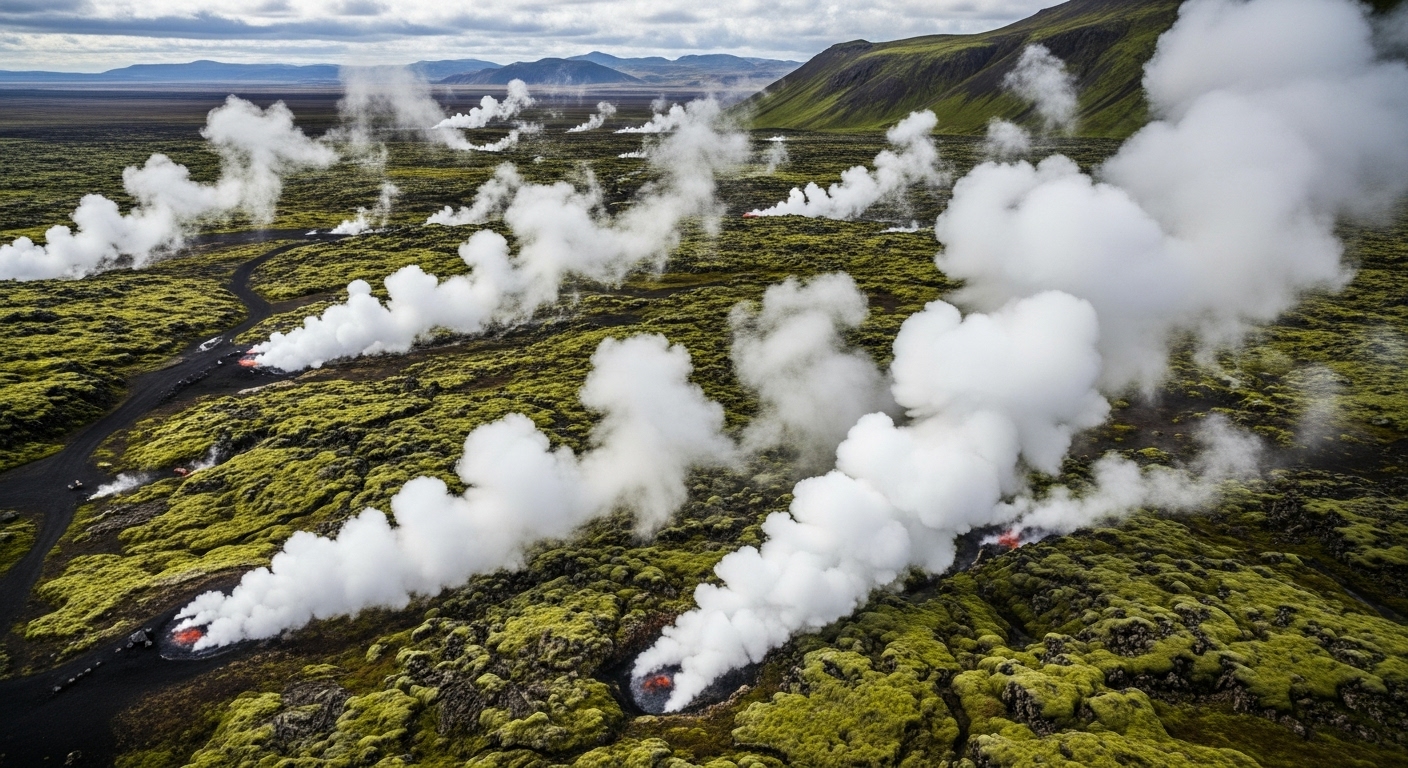
In Iceland, nature itself is the spa. Here, geothermal vents release steam from deep within the volcanic crust, creating a landscape where the earth literally breathes. This is where some of the oldest volcanic sauna traditions in Europe began. Locals have used natural steam for centuries to stay warm through the harsh winters and to cleanse body and soul.
Today, travelers can experience this timeless ritual at Laugarvatn Fontana or Myvatn Nature Baths. In both places, geothermal steam rises through wooden slats, creating a natural sauna filled with the scent of minerals and sulfur. After steaming, locals often plunge into nearby cold lakes—a shock that leaves you both refreshed and renewed. These experiences embody the balance that defines all volcanic sauna traditions: the harmony of heat and cold, stillness and movement.
Japan’s Sand Baths of Ibusuki
In Japan, volcanic activity has given rise to a sauna tradition unlike any other. On Kyushu Island, in the town of Ibusuki, the earth’s geothermal heat warms the black sands of the coast. Visitors lie down on the beach while attendants cover them with this naturally heated sand, turning the experience into a living sauna powered entirely by the earth. Among all volcanic sauna traditions in Asia, this one is perhaps the most immersive—literally.
The gentle pressure of the sand, combined with its deep warmth, encourages sweating and detoxification. Locals have long believed it improves circulation and rejuvenates the skin. Afterward, bathers rinse off and relax in nearby hot springs. It’s not just a wellness routine—it’s a cultural experience deeply tied to Japan’s volcanic identity.
Italy’s Volcanic Baths on Ischia
Italy also shares in the world’s great volcanic sauna traditions. On the island of Ischia near Naples, natural hot springs bubble up from volcanic rock, filling pools and caves with mineral-rich water. The Romans once bathed here for healing; today, modern travelers come for the same reason. At Baia di Sorgeto, hot thermal water flows directly into the sea, where bathers soak at the meeting point of ocean and volcano.
Ischia’s geothermal waters are said to ease arthritis, improve skin tone, and relax tired muscles. More than that, they represent the deep relationship between Italians and the forces of nature that surround them. These volcanic sauna traditions connect past and present, luxury and simplicity, man and earth.
New Zealand’s Māori Geothermal Rituals
On the other side of the world, New Zealand’s Rotorua region pulses with geothermal energy. For the Māori people, hot springs and mud pools are sacred spaces used for both physical healing and spiritual cleansing. Among global volcanic sauna traditions, the Māori approach stands out for its deep respect toward the land, treating each bath not as indulgence, but as communion.
Visitors today can experience this powerful connection at Hell’s Gate Geothermal Park. There, bubbling mud pools and natural steam vents create a surreal, almost otherworldly landscape. Soaking in these mineral-rich pools feels both purifying and humbling—an elemental ritual that reminds travelers of nature’s immense power.
Modern Interpretations of Volcanic Sauna Traditions
As wellness tourism grows, modern resorts are increasingly inspired by ancient volcanic sauna traditions. Spas in Iceland, Japan, and Italy now combine contemporary comfort with geothermal authenticity. Yet, even in luxury settings, the spirit remains the same: a reverence for the earth’s warmth and a recognition of its healing rhythm.

Whether you’re relaxing in Icelandic steam, lying in Japanese sand, or soaking in Italian mineral pools, you’re participating in a shared human story—one that began when our ancestors first discovered the earth’s heat and chose to make peace with it.
How to Experience Volcanic Sauna Traditions Yourself
- Iceland: Visit Laugarvatn Fontana or Myvatn Nature Baths for authentic geothermal steam rooms fed by natural vents.
- Japan: Head to Ibusuki in Kyushu for an unforgettable sand bath experience powered by volcanic steam.
- Italy: Explore Ischia’s Baia di Sorgeto for seaside hot springs that merge sea and volcano.
- New Zealand: Try Rotorua’s geothermal mud pools and Māori-inspired spas that honor ancestral healing.
Each of these destinations showcases a unique expression of volcanic sauna traditions—where culture, geography, and wellness come together in perfect balance.
Why Volcanic Sauna Traditions Matter
In a world dominated by digital noise and artificial comfort, volcanic sauna traditions invite us back to simplicity—to reconnect with the primal forces that sustain us. They remind us that healing doesn’t always come from technology, but often from the planet itself. The mix of heat, minerals, and natural beauty brings calm and clarity few experiences can match.
Now that you’ve explored the world’s most breathtaking volcanic sauna traditions, what do you think—would you try one? Would you lie buried in warm sand, breathe in Icelandic steam, or soak in Italy’s seaside hot springs? Tell us in the comments! We’d love to hear which destination calls to your adventurous side.
And don’t forget to follow WentWorld on social media for more stories that bring you closer to the earth’s natural wonders and cultural treasures.
Catch up on the top stories and travel deals by subscribing to our newsletter!