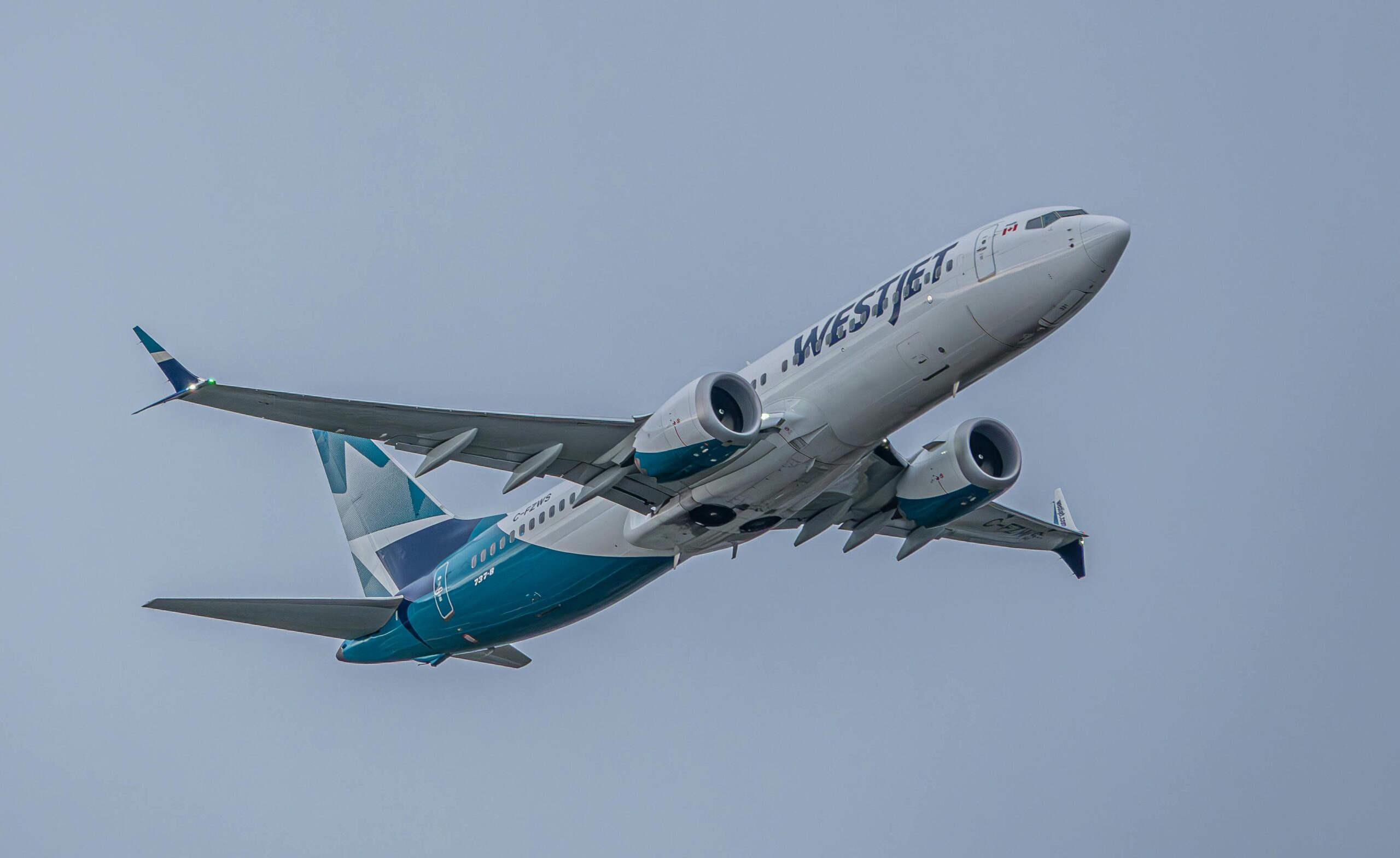
WestJet has stirred the Canadian travel market with a new fee for reclining seats on select aircraft. Starting October 2025, passengers flying on 43 Boeing 737-8 MAX and 737-800 planes will need to pay extra to recline. Only Premium and Extended Comfort seats will retain full recline and added legroom. WestJet aims to modernize its fleet, but this move reshapes how Canadians view comfort and value during flights.
As travelers face another layer of optional fees, their spending patterns are shifting. Many now weigh flight comfort against trip budgets. This change affects not only airlines but also the wider hospitality industry. Hotels, attractions, and restaurants across major cities like Toronto, Vancouver, and Montreal may feel the impact as tourists cut spending to offset higher airfare costs.
WestJet’s strategy might attract budget flyers seeking low base fares. However, some travelers could turn to Air Canada or other carriers that still offer reclining seats in standard economy. The travel experience now feels more calculated, with each comfort carrying a price tag. This trend may push Canadian airlines to redefine how they balance affordability with satisfaction.
Tourism experts anticipate ripple effects through Canada’s hotel and leisure markets. When tourists perceive flights as costly or uncomfortable, they often reduce spending at their destinations. This behavior could challenge local tourism operators already navigating post-pandemic demand shifts. Consequently, both airlines and hotels must adapt to changing traveler psychology and pricing sensitivity.
The new seating policy also highlights growing segmentation in air travel. As airlines unbundle services, passengers must make smarter choices. WestJet’s bold step may redefine what “budget travel” means in Canada, setting a precedent for future airline pricing models.
Related stories:
Catch up on the top stories and travel deals by subscribing to our newsletter!