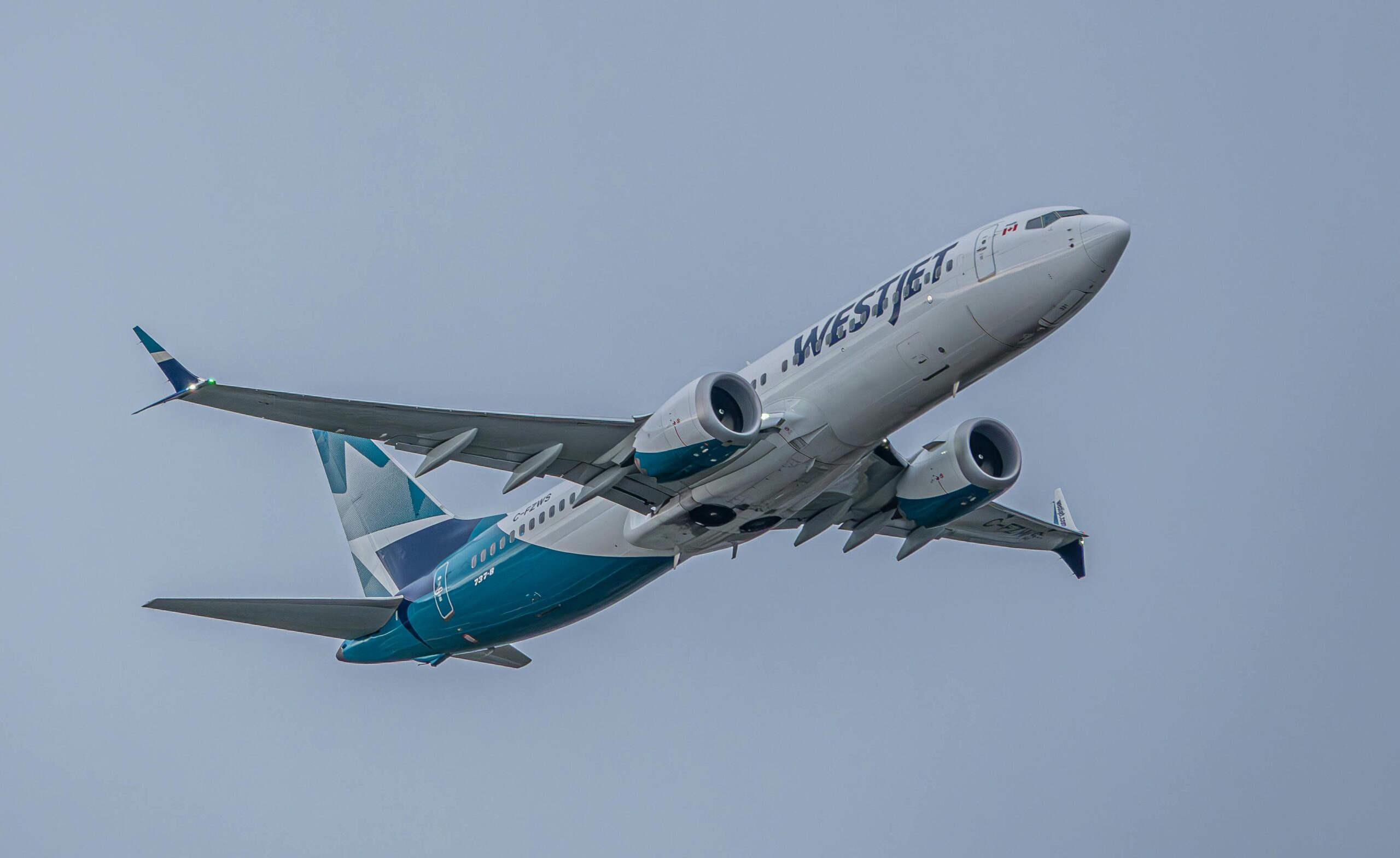
WestJet sparked a global debate after cutting seat pitch in 2025. Then passengers noticed tighter cabins and growing discomfort on flights. Meanwhile, airlines across continents now pursue denser seating for higher revenue. Therefore, travelers now face the toughest squeeze in modern aviation.
Next, WestJet reduced legroom to 28 inches, and passengers felt the impact immediately. Consequently, travelers shared photos and measurements on social media. As a result, WestJet faced rising criticism and urgent backlash. Finally, the airline restored standard spacing to protect its reputation.
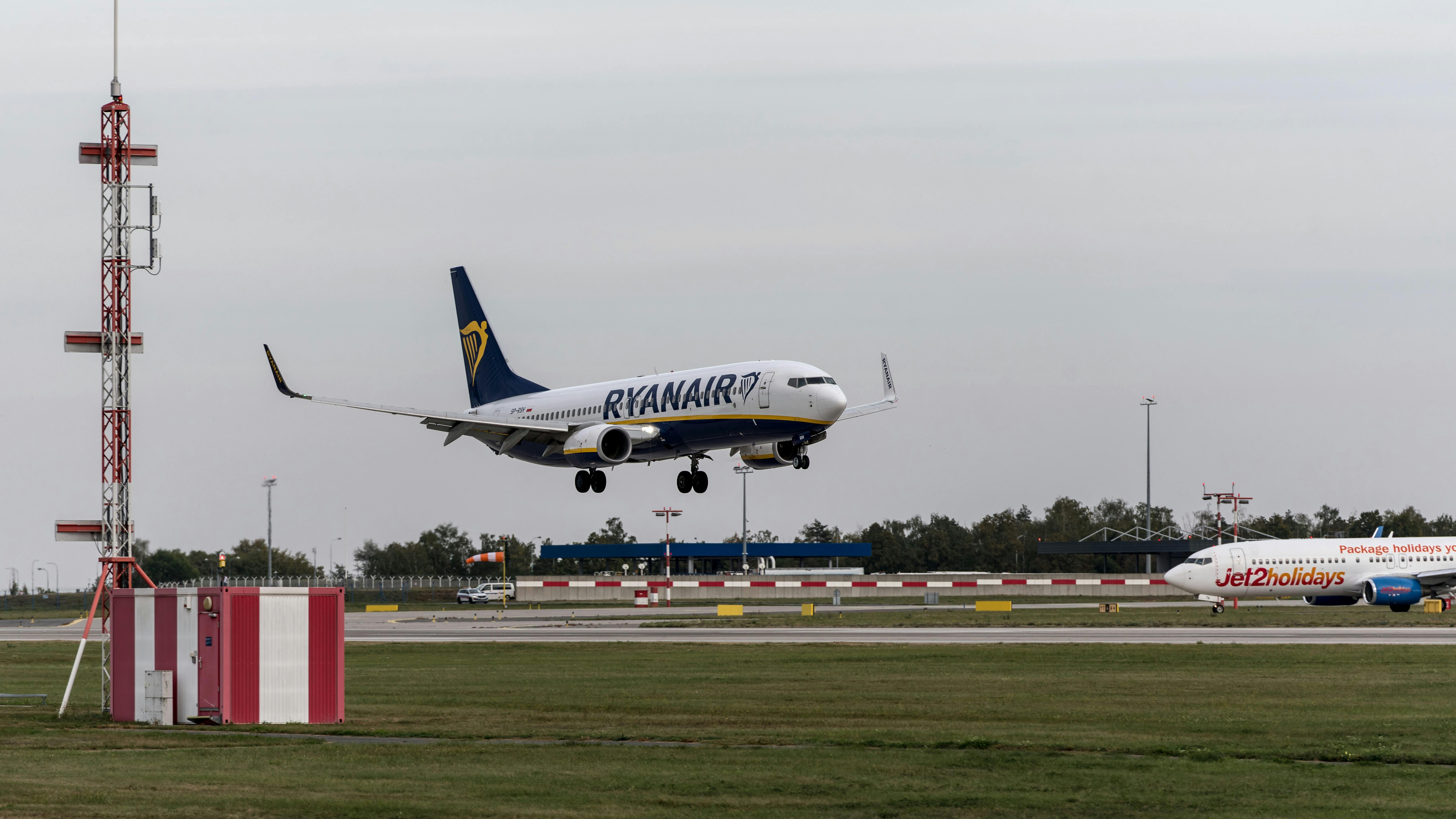
Meanwhile, budget carriers like Spirit and Ryanair already use tight seating. Thus, they keep fares low by packing more seats per aircraft. However, passengers now demand comfort even on budget flights. Therefore, the industry faces a growing trust crisis.
Furthermore, airlines now add rows to maximize ticket sales per flight. As a result, revenue rises while comfort declines quickly. Yet, customers rarely accept severe discomfort for minor savings. Therefore, airlines must balance profits with passenger loyalty.
Moreover, shrinking legroom raises safety concerns during emergencies. In addition, tighter rows slow evacuation and reduce mobility. Consequently, regulators now review cabin dimensions and evacuation rules. Therefore, governments now demand more transparency from airlines.
Also, the U.S. DOT now publishes seat dimensions for travelers to compare. Meanwhile, European regulators review evacuation safety without setting minimum pitch. Still, passengers now check seat pitch before booking flights. Therefore, consumer pressure forces airlines to rethink cabin design.
Furthermore, WestJet’s reversal proved that customers influence airline decisions. Consequently, airlines now see comfort as a strategic priority. Additionally, premium economy seats are now gaining popularity on many routes. Therefore, carriers invest in smarter cabin layouts to retain loyalty.
Finally, the legroom battle continues across global aviation. However, passengers now demand dignity, space, and safer seating. Therefore, airlines must respond or risk lasting brand damage. Overall, the future of flying now depends on comfort and trust.
Related stories:
Catch up on the top stories and travel deals by subscribing to our newsletter!