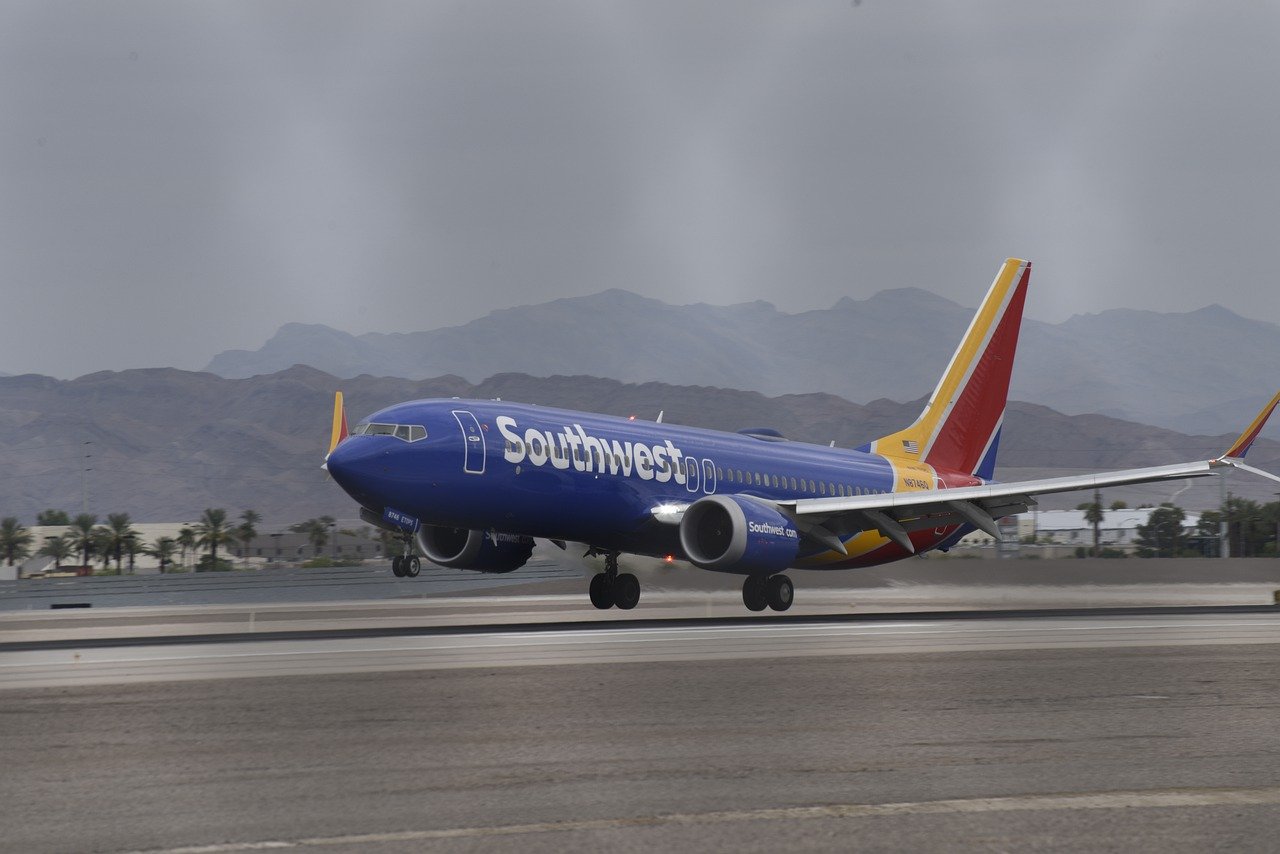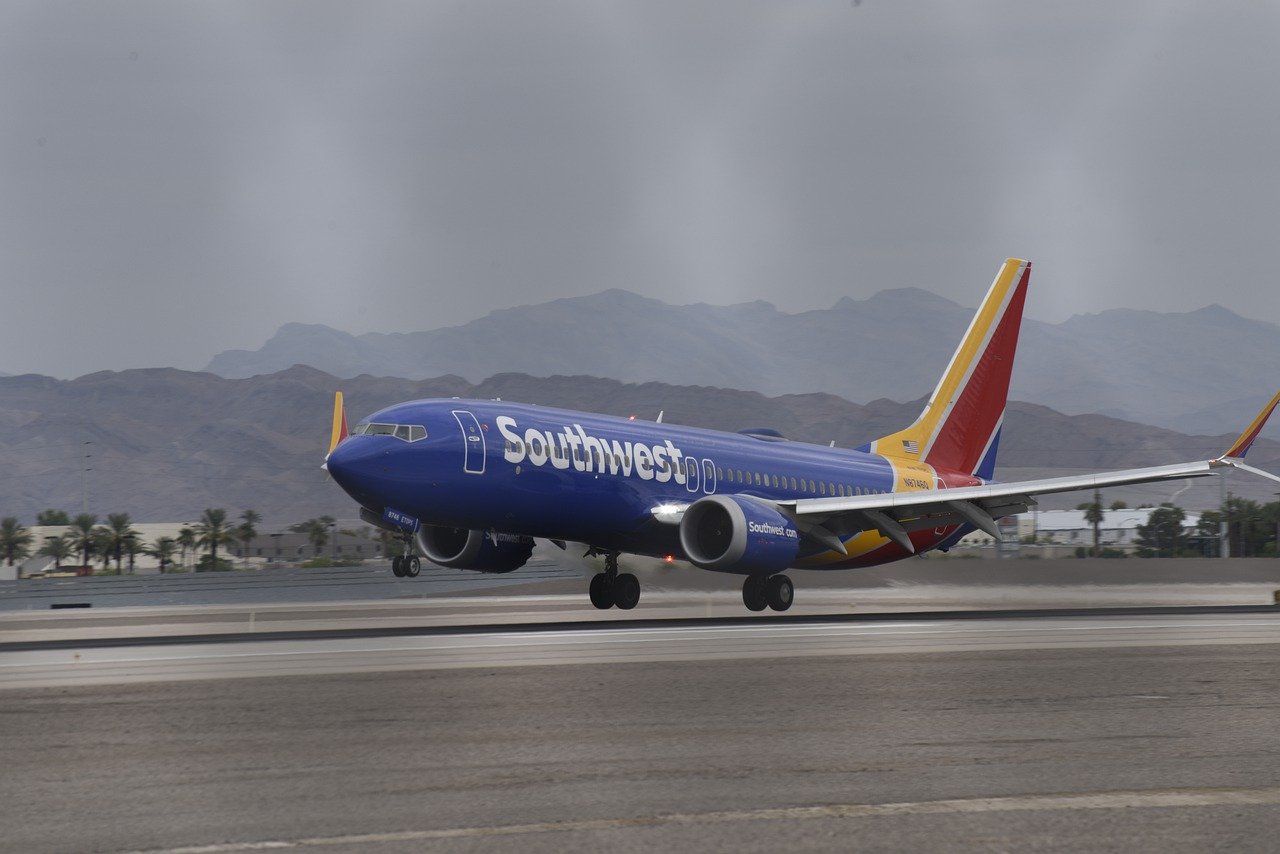
Southwest Airlines faced a serious in-flight emergency when one of its flights from Dallas hit extreme turbulence. The aircraft was en route to Panama City on June 14 when violent weather disrupted the descent. Pilots acted fast and diverted the plane to Jacksonville, landing it safely. This frightening event highlights the growing risk of dangerous weather patterns threatening commercial aviation.
Weather conditions along the Gulf Coast turned dangerous without warning. The Boeing 737, carrying over 140 passengers, shook violently mid-air. Passengers panicked, and one person suffered serious injuries during the ordeal. Turbulence often strikes fast, leaving little time for pilots or passengers to react. Despite modern weather radar systems, sudden air instability continues to challenge even the most experienced flight crews.
This diversion caused widespread disruption to airline operations. The flight’s delay affected schedules across the network. Southwest Airlines depends on high-frequency, short-turn flights, so even small delays trigger costly ripple effects. Airlines are now facing increasing operational challenges as climate shifts impact flight paths and airport conditions.
This event reflects a wider trend. Flights across the country are now experiencing more frequent and intense turbulence. Scientists link this rise to volatile climate patterns, especially in storm-prone areas like Florida. Descent into cities like Panama City, New Orleans, and Tampa has grown riskier during summer months.
Passenger safety is a growing concern. Most injuries from turbulence occur when travelers fail to wear seatbelts. This flight incident is a clear reminder to stay buckled throughout the journey. Travelers must remain alert during weather disruptions. Meanwhile, airlines must improve safety briefings and adopt advanced detection technology to tackle worsening skies.
The flight has resumed normal operations, but the scare won’t fade soon. The Southwest Airlines incident underscores the need for faster adaptation. As storm systems grow stronger, air travel must evolve quickly to keep everyone safe.
Related stories:
Catch up on the top stories and travel deals by subscribing to our newsletter!