You’ve probably seen dreamy van life images—coffee at sunrise by the coast, fairy lights inside a cozy camper, paths that go wherever your wheels do. But have you ever wondered what it’s like to travel in a van full time? It’s not just a mobile vacation—it’s a lifestyle. In this guide, we’ll dive into day-to-day life, triumphs, struggles, routines, relationships, and all the grit and magic that come with full-time van living.
Freedom is the top motivator. Van life removes strict schedules. You can chase summer into Utah’s red rocks, head north for fall in the Rockies, or chase winter to Baja. You’re not tied to a lease or a home base—your van becomes the vessel for new landscapes, fresh air, and unexpected opportunities.
But beyond location flexibility, van living teaches self-reliance. You learn to fix leaks, manage power, balance budgets, and solve your own problems. For many, that independence becomes just as valuable as sunrise drives through mountain tunnels.
Customizing Your Mobile Home
Choosing a van is only half the battle. Converting it is where the magic—and real labor—happens.
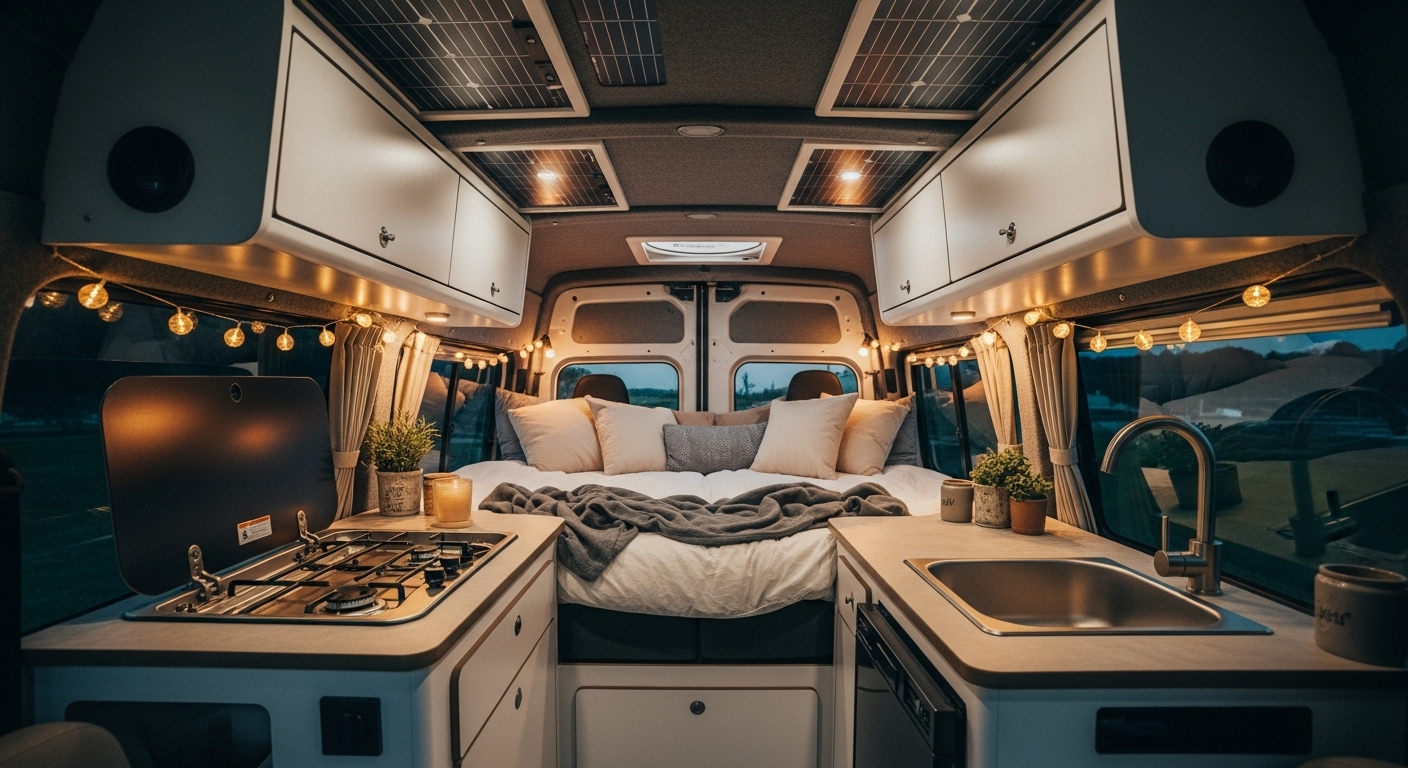
- Structural build: Framing beds, counters, insulation. I used ¾” plywood and 2″ foam board. Winter mornings stayed toasty.
- Power setup: I installed two 100W solar panels, a 200Ah LiFePO4 battery bank, and a 300W inverter. With an energy-efficient fridge and LED lights, I go 3–4 days without sun.
- Water system: 10-gallon fresh water tank, hand-pump sink, small gray tank under. It’s not glam—but it’s enough to wash dishes and flush waste away.
- Toilet and shower: I chose a portable composting toilet and a pop-up solar shower. You adapt. Green spaces, beaches, and rest stops double as outdoor bathrooms.
Every choice shapes travel possibilities. A bigger fridge means less wild camping. More solar opens off-grid freedom. I underestimated one tiny detail: a flat floor. It made a massive difference for work-from-van ergonomics.
Daily Routine on the Road
A morning in van life is less alarm, more intention.
- Wake-up: I open doors before sunrise—some days for yoga streams, others just to breathe in cold pine air.
- Morning routines: Coffee on a small French press; a quick rinse with heated water; breakfast (usually oats or eggs).
- Work block: Freelance writing or consulting takes priority. I find a cell signal and park near a vista for a better view.
- Midday break: Hike, swim, bike—reset your day and your mood.
- Evening routine: Prepare dinner—grilled veggies and protein; maybe meet another van lifer; end with journaling or reading.
That blend of work, rest, and nature is the heartbeat of full-time van life. It’s intentional and fluid.
Comfort vs. Convenience
Comfort comes in moments: a bed with plush sheets, solar shower after a hike, a campfire by starlight. Convenience? That’s having clean clothes and steady power without being plugged in.

But hard parts are real: doing dishes in cold water, heating the van in winter, rain-induced claustrophobia. It’s like minimalism: the less you have, the more every inconvenience matters.
Community on the Move
Social media makes van life seem isolating—but often it isn’t. Apps like iOverlander or Meetup connect you with nearby van lifers, fitness nomads, and remote workers.
I’ve joined potlucks at lakes, participated in beach cleanups, helped strangers change tires. You begin to recognize faces at BLM camping areas and highway overlooks—the van life community is expansive and supportive.
Budget & Sustainability
Finances shift month to month. Here’s a rough monthly breakdown:
- Fuel: $200–$400 depending on distance and climate.
- Food: $300–$500, mostly self-cooked from garden veggies, grains, proteins.
- Camp fees: $0–$200; boondocking is free, state parks cost around $30–40/night.
- Insurance & maintenance: $150–$250.
- Internet & memberships: $50 for unlimited hotspot plans or coworking passes.
It’s possible to live under $1,500/month—but van life can also involve splurges: surf gear, national park permits, festivals. It fosters mindful spending: every dollar is a decision about how and where you live.

Challenges and How to Overcome Them
- Mail and address: I use a mail service with a lifetime forwarding address, and update my scanning plan monthly.
- Connectivity: Dual SIM setup with local and global data keeps me online. I also use WMAT for network aggregation when working remotely.
- Maintenance: I learned basic mechanics and carry spares. I also maintain a trusted list of mobile mechanics.
- Loneliness & isolation: Scheduling visits with family; joining van lifer social apps helps balance solo days.
- Legal parking: I prioritize dispersed camping areas, municipal day passes, and local permit apps to stay legal.
What I’ve Learned on the Road
This life strips everything down—literal and emotional. I learned to love routines, appreciate simplicity, and stay present. My definitions of comfort, home, and community shifted. I developed gratitude for fresh water, hot meals, and soft blankets in the van.
Ask yourself: Are you ok with unpredictability? Do you crave daily variety over stability? Can you be self-sufficient? If yes, van life might just transform more than your address. It’ll shift how you define success, happiness, and home.
Ultimately, if you’ve wondered what it’s like to travel in a van full time, know it’s messy, rewarding, challenging, and liberating all at once. It’s a life experiment—a chance to test your resilience and creativity. Curious about conversions, solar setups, budget maps, or community etiquette? Drop your questions below. I’d love to support your journey—maybe I’ll see you out on the road.
Catch up on the top stories and travel deals by subscribing to our newsletter!