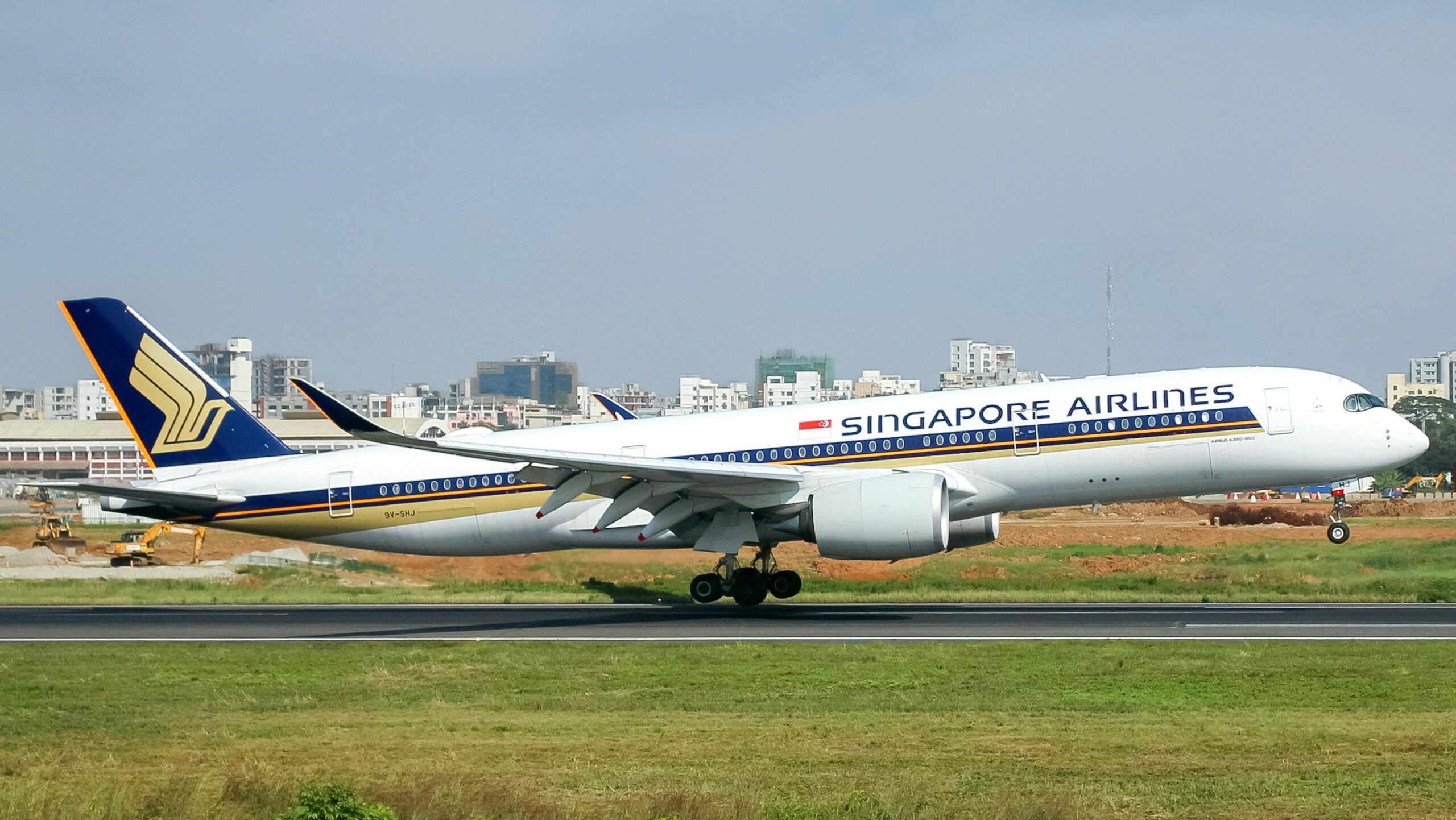
Singapore Airlines faced serious travel disruption on a key long-haul route. Moreover, Singapore Airlines struggled with repeated aircraft issues in Istanbul. Therefore, global travel links felt pressure across long-distance operations.
Initially, a scheduled Istanbul-to-Singapore flight stopped before departure. Consequently, Singapore Airlines paused the journey due to a flap fault. Moreover, flight crews identified the issue during final checks.
As a result, Singapore Airlines kept passengers onboard during early inspections. Meanwhile, staff provided meals while engineers checked repair options. However, the airport lacked required spare parts.
Therefore, Singapore Airlines delayed the flight for several hours. Subsequently, the airline asked passengers to leave the aircraft. Moreover, hotel stays became necessary due to extended waiting periods.
Meanwhile, unclear updates increased frustration among affected travelers. Consequently, passengers struggled to track accurate departure times. Moreover, repeated schedule changes added stress and confusion.
Eventually, Singapore Airlines resumed the journey under a revised flight number. Therefore, the aircraft reached Singapore nearly two days late. Moreover, the delay exposed overseas repair limits.
Additionally, the incident showed how airlines rely on global supply systems. Consequently, limited part access slowed recovery efforts. Moreover, distant stations often lack full maintenance support.
Soon after, Singapore Airlines faced another disruption on a United States route. Consequently, winter weather disrupted airport operations before technical checks. Moreover, long-haul schedules faced added pressure.
Subsequently, Singapore Airlines encountered baggage system faults and equipment concerns. Therefore, engineers delayed departure for safety checks. Moreover, part shortages extended passenger waiting time.
Meanwhile, ground transport issues affected hotel transfers for travelers. Consequently, passengers faced further inconvenience during the delay. Moreover, repeated aircraft returns caused travel fatigue.
Overall, these events showed the complexity of modern aviation. Therefore, Singapore Airlines balanced safety needs with customer care. Moreover, long-haul travel requires strong backup planning.
Ultimately, the disruptions stressed the value of clear communication. Consequently, airlines must improve overseas support systems. Moreover, global tourism depends on reliable flight operations.
Related stories:
Catch up on the top stories and travel deals by subscribing to our newsletter!