Have you ever visited a place where conversations flow effortlessly between two different languages, sometimes even within the same sentence? Welcome to the world of cultural borderlands where two languages merge—regions shaped by history, migration, geography, and shared identity. These borderlands are more than geographic boundaries; they are living tapestries where languages blend, cultures mix, and new expressions are born every day. In this blog, we’ll take you on a deep journey into these fascinating zones, where linguistic fusion isn’t just common—it’s a way of life.
Whether it’s the rhythmic blend of Spanish and English along the US–Mexico border, the melodic fusion of French and Dutch in Belgium, or the beautiful interweaving of Arabic and Berber in Morocco’s mountains, borderlands offer a window into how people adapt and communicate. Have you ever wondered how two languages can coexist harmoniously? Or how communities naturally develop hybrid dialects? Let’s uncover the magic together.
The Beauty of Cultural Borderlands
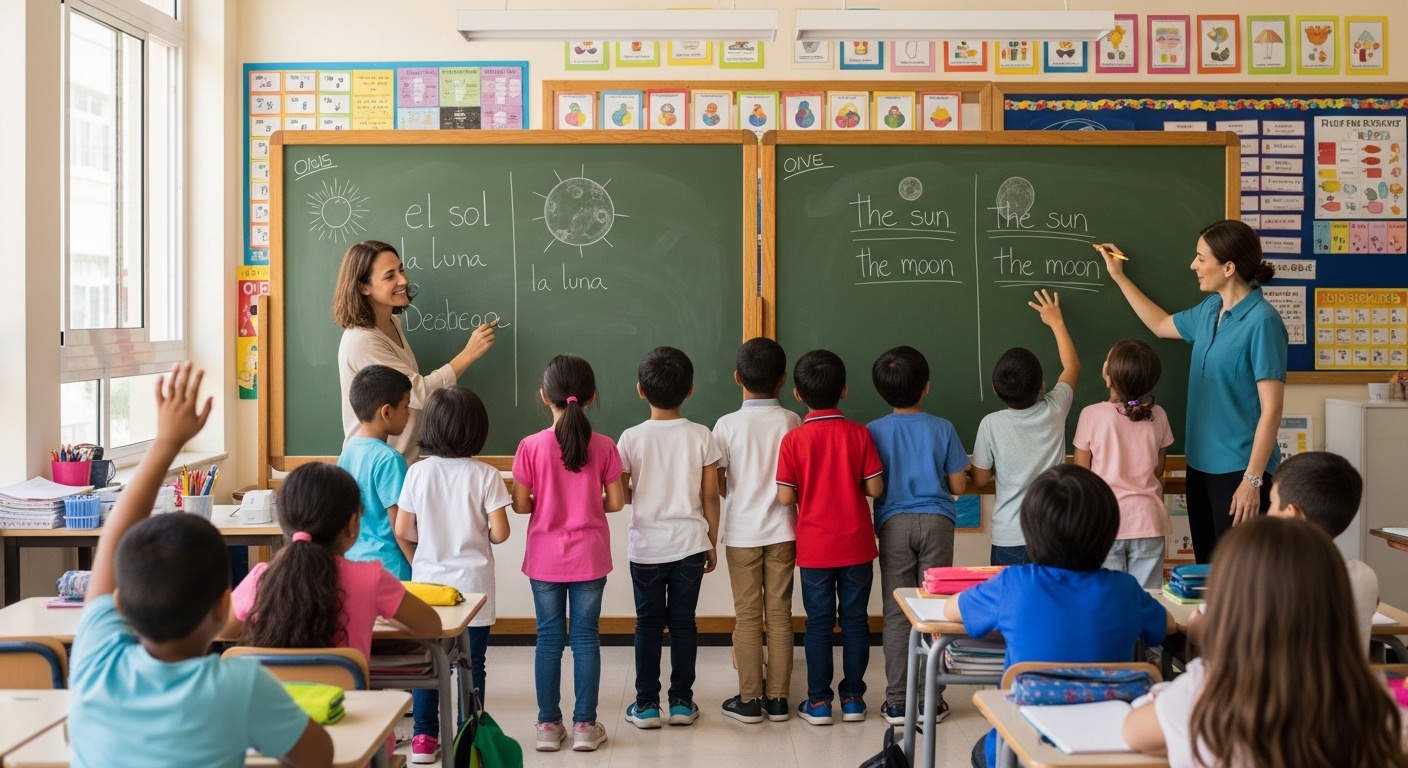
When you think of borderlands, you might imagine fences, checkpoints, or political divisions. But cultural borderlands where two languages merge are the complete opposite—they’re places where cultures intertwine freely. In these areas, residents often grow up speaking, reading, and thinking in two languages. Their identity becomes a blend, not a choice between one or the other.
This merging isn’t forced; it happens naturally. People use both languages according to context—home, school, work, or social settings. And with time, something even more fascinating evolves: hybrid expressions, shared slang, mixed grammar, and creative linguistic shortcuts. What if your everyday speech included two languages without you even noticing? Many borderland residents would tell you that’s their normal.
US–Mexico Border: The Birthplace of Spanglish
One of the most well-known cultural borderlands where two languages merge is the US–Mexico border. Cities like El Paso, Tijuana, Brownsville, and San Diego aren’t just bilingual—they’re bicultural. Spanish and English flow into each other so smoothly that the hybrid known as Spanglish has become a recognized form of communication, especially among younger generations.
Spanglish isn’t “broken Spanish” or “broken English”—it’s a linguistic identity. Words like “hanguear” (to hang out), “troca” (truck), and “chequear” (to check) are part of daily conversations. Schools, restaurants, street markets, and even radio stations switch languages naturally. Curious how common bilingualism is along this border? According to sources like Pew Research Center, millions of people communicate in two languages daily.
But beyond the language, the cultural exchange is equally powerful. Food, music, celebrations, and even humor become shared experiences. Have you ever thought about how language influences culture? Borderland communities live this reality every day.
Belgium: Where French and Dutch Live Side by Side
Belgium is another powerful example of cultural borderlands. The northern region, Flanders, speaks Dutch, while the southern region, Wallonia, speaks French. Brussels—right in between—is officially bilingual. But what’s amazing is how people in border areas fluently move between both languages, creating a culture that embraces diversity.
In cities like Brussels, Ghent, and Leuven, families often raise children to speak both languages. Many institutions operate bilingually, offering services in both French and Dutch. Travelers can experience this linguistic blend instantly when ordering food, interacting with locals, or navigating public transport.
Want to explore Belgium’s language culture? You can visit the official tourism site at Visit Belgium for deeper insights.
Morocco: The Fusion of Arabic, Berber, and French
Morocco is a remarkable example of a multilingual cultural landscape. While Arabic is widely spoken, Berber (Amazigh) languages hold deep roots in the Atlas Mountains and rural regions. French, introduced during the colonial era, has remained a significant language in business, education, and government.
This creates a unique environment where trilingualism is part of the national identity. In markets, you may hear Arabic numbers mixed with Berber greetings. In cities like Casablanca, French often blends with Moroccan Darija. Words shift effortlessly depending on who you’re talking to. Can you imagine navigating daily life using three languages interchangeably? That’s the Moroccan reality.
To learn more about Morocco’s cultural heritage, check the Moroccan tourism board at Visit Morocco.
The Basque Country: A Linguistic Mystery
Straddling the border between Spain and France lies the Basque Country—home to one of Europe’s oldest and most mysterious languages, Euskara. Unlike Spanish or French, Euskara is not related to any known language family. For centuries, Basque people have preserved their language while also adopting Spanish or French depending on their location.
The cultural border here is fascinating. In northern Basque regions, French mixes with Euskara. In the south, Spanish blends with Euskara. Schools teach all three languages in many areas, creating multilingual generations who effortlessly switch between them.
Have you ever visited a place where the language feels ancient and modern at the same time? That’s exactly what travelers find in the Basque Country. Learn more about the region through Basque tourism.
India: The Land of Linguistic Borderlands
India is one of the world’s richest examples of cultural borderlands where two languages merge. Because of its vast linguistic diversity, many Indian states have border areas where languages blend. For example:
- Hindi and Punjabi merge in Haryana and Delhi.
- Gujarati and Marathi blend in coastal regions.
- Kannada and Telugu mix in border villages.
- Bengali and Assamese merge along the eastern corridor.
These regions develop shared vocabulary, blended accents, and hybrid cultural expressions. Festivals, food traditions, and family customs often reflect both languages. India shows how languages aren’t barriers—they’re bridges.

Why Do Languages Merge in Borderlands?
Several factors create fertile ground for linguistic fusion:
- Migration: People move across borders for work, safety, or family, bringing languages with them.
- Trade: Markets and trade routes naturally bring communities together.
- Shared history: Borders shift over time, but cultural ties remain.
- Intermarriage: Families naturally combine languages.
- Education: Schools often teach both languages.
The result is a vibrant environment where bilingualism—and often trilingualism—becomes a way of life.
How New Dialects Are Born
When two languages merge in daily conversation, new forms of expression emerge. These hybrid forms often become regional dialects. Sometimes they evolve into fully recognized languages. For example:
- Creole languages emerged from French, African, and Caribbean interactions.
- Pidgin English developed across coastal Africa and the Pacific.
- Spanglish has its own grammar patterns and vocabulary.
Languages are fluid. They grow, adapt, and transform with people. Isn’t it fascinating how human communication constantly evolves?
The Social Impact of Linguistic Borderlands
Cultural borderlands where two languages merge create societies that are more open, flexible, and adaptable. People raised in bilingual environments often show:
- Better cognitive flexibility
- Improved problem-solving abilities
- Greater cultural empathy
- More global awareness
These communities also tend to celebrate diversity more naturally. Art, music, storytelling, food, and traditions become a fusion of influences.
Modern Examples of Language Fusion
In the age of the internet, borderless communication has become even more common. Even people not living in physical borderlands pick up blended languages through:
- Social media
- Streaming platforms
- Global work environments
- Travel and study programs
It’s easier than ever to learn and blend languages. Have you ever used expressions from another language because they just “fit better”? You’re already part of this linguistic evolution.
Cultural borderlands where two languages merge are living proof that differences don’t divide us—they enrich us. These regions teach us that identity is fluid, adaptable, and beautifully complex. They remind us that languages aren’t walls; they’re windows into each other’s worlds.
Have you ever visited a multilingual borderland? Or do you speak two languages yourself? Share your stories in the comments below. We’d love to hear how language blending has shaped your experiences. And don’t forget to follow us on our social media platforms for more cultural explorations and global stories.
Catch up on the top stories and travel deals by subscribing to our newsletter!