
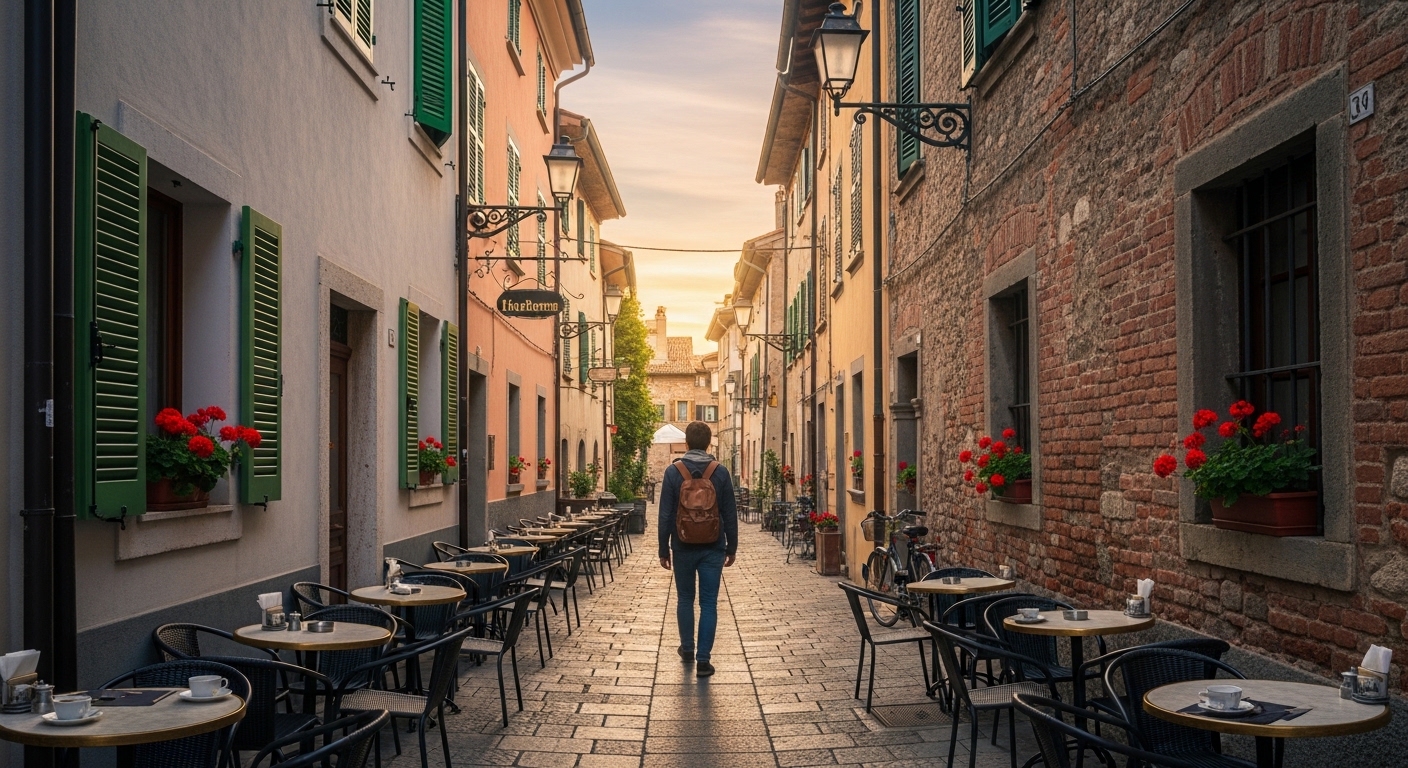
Travel habits are changing rapidly across the world. For decades, travelers focused on visiting as many destinations as possible within a short time. People rushed from one attraction to another, collecting passport stamps and photographs. However, a new mindset is shaping global tourism today. Travelers now seek deeper experiences instead of rushed itineraries. This growing movement is known as slow travel in 2025, and it focuses on taking fewer trips while experiencing destinations more meaningfully.
Rather than spending three days in five different cities, slow travel encourages visitors to stay longer in one place. This approach allows travelers to understand culture, traditions, food, and daily life more deeply. Instead of checking destinations off a list, slow travelers build real connections with the places they visit.
Have you ever returned from a vacation feeling exhausted instead of refreshed? Many travelers feel that way after packed schedules and rushed sightseeing. Slow travel in 2025 offers a solution by encouraging travelers to pause, explore carefully, and truly absorb each destination.
Interestingly, tourism experts from organizations like UN Tourism highlight that mindful travel experiences are becoming one of the fastest growing trends in the travel industry. Travelers want quality experiences rather than quantity.
Why Slow Travel in 2025 Is Becoming a Global Trend
The concept of slow travel is not entirely new. However, in 2025 the idea has gained massive attention due to changing traveler priorities. Several factors have contributed to this shift.
First, travelers increasingly value meaningful experiences. Social media once encouraged people to collect famous landmarks quickly. Today many travelers prefer unique experiences like cooking with locals, learning crafts, or exploring neighborhoods beyond tourist areas.
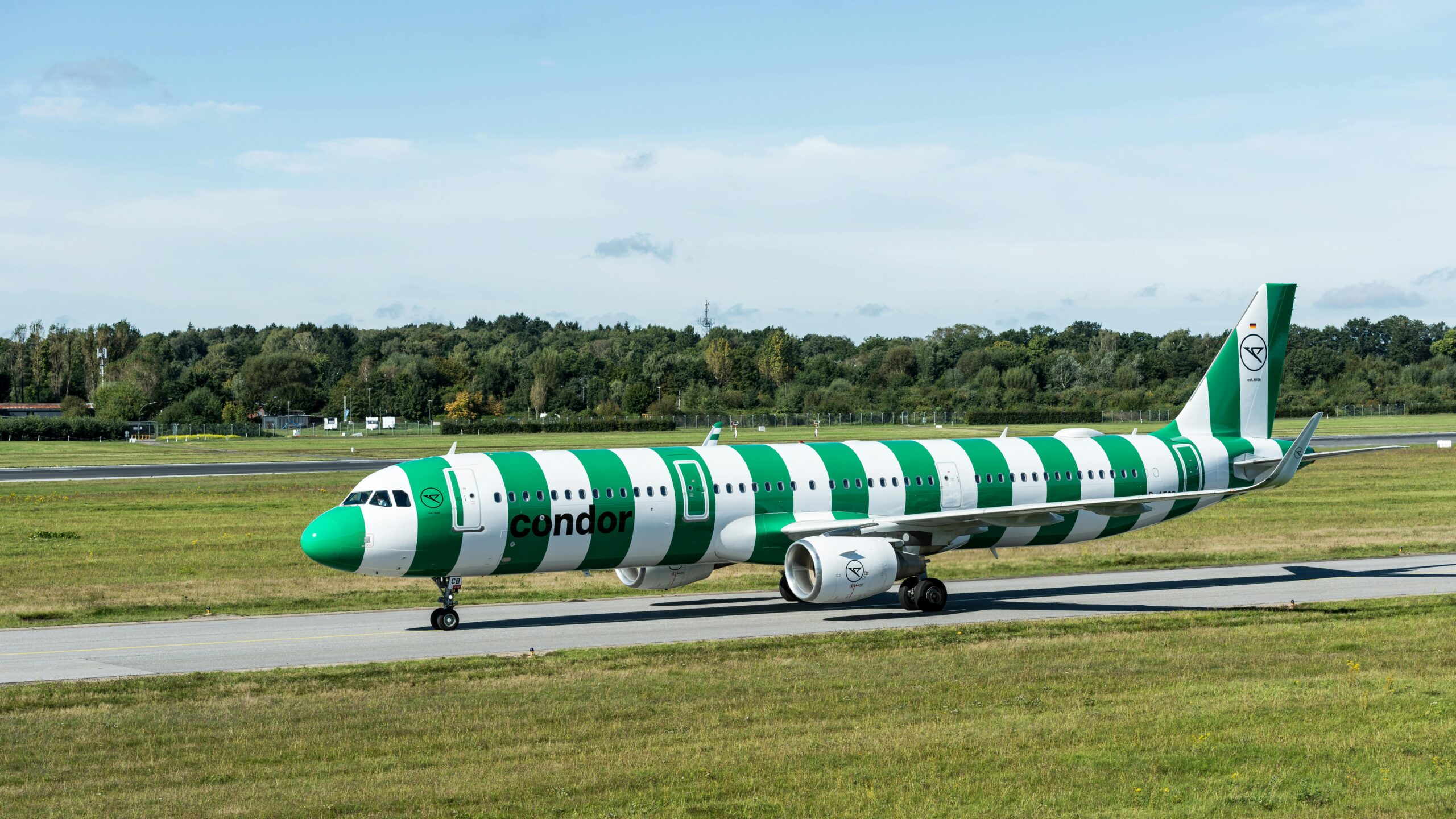
Second, sustainability concerns are influencing travel decisions. Taking fewer flights and spending longer in one destination reduces environmental impact. Airlines such as Lufthansa and other global carriers continue working toward sustainable aviation, yet travelers also contribute by reducing frequent short trips.
Third, remote work has changed travel flexibility. Digital professionals can stay longer in one place while continuing their work online. Instead of short vacations, they spend weeks or months exploring one region.
Finally, travelers have discovered that slower journeys often produce stronger memories. Spending time in a destination allows visitors to notice details that rushed travel misses.
What Slow Travel Actually Looks Like
Slow travel in 2025 does not mean traveling less often forever. Instead, it means making each trip more meaningful by reducing unnecessary movement between destinations.
Imagine spending three weeks exploring the countryside of Italy instead of rushing through Rome, Florence, and Venice in five days. You might shop at local markets, learn traditional cooking techniques, or discover hidden villages that typical tourists never visit.
Or picture spending two weeks in the cultural neighborhoods of Tokyo rather than visiting multiple Asian capitals in one rushed trip. A slower pace allows travelers to explore local cafés, quiet temples, and residential districts that reveal the true personality of the city.
Slow travel encourages deeper exploration. Travelers walk more, interact with locals, and discover places beyond guidebooks.

Why Taking Fewer Trips Creates Better Travel Experiences
At first glance, taking fewer trips might sound disappointing. Many travelers dream of seeing as much of the world as possible. However, slow travel in 2025 demonstrates that fewer trips can actually create richer travel memories.
One major benefit involves emotional connection. When travelers stay longer in one destination, they build relationships with people. Café owners recognize them. Local shopkeepers greet them warmly. Conversations become longer and more meaningful.
Another advantage involves cultural understanding. Quick visits rarely allow travelers to understand customs, traditions, or social values. Longer stays provide opportunities to observe everyday life.
Food experiences also improve with slow travel. Visitors have time to explore neighborhood restaurants rather than relying on tourist districts. They may discover family-run kitchens serving recipes passed down through generations.
Many travelers also report reduced stress. Packed travel schedules can feel overwhelming. Slow travel allows visitors to relax, adapt, and explore at their own pace.
Slow Travel and Sustainability
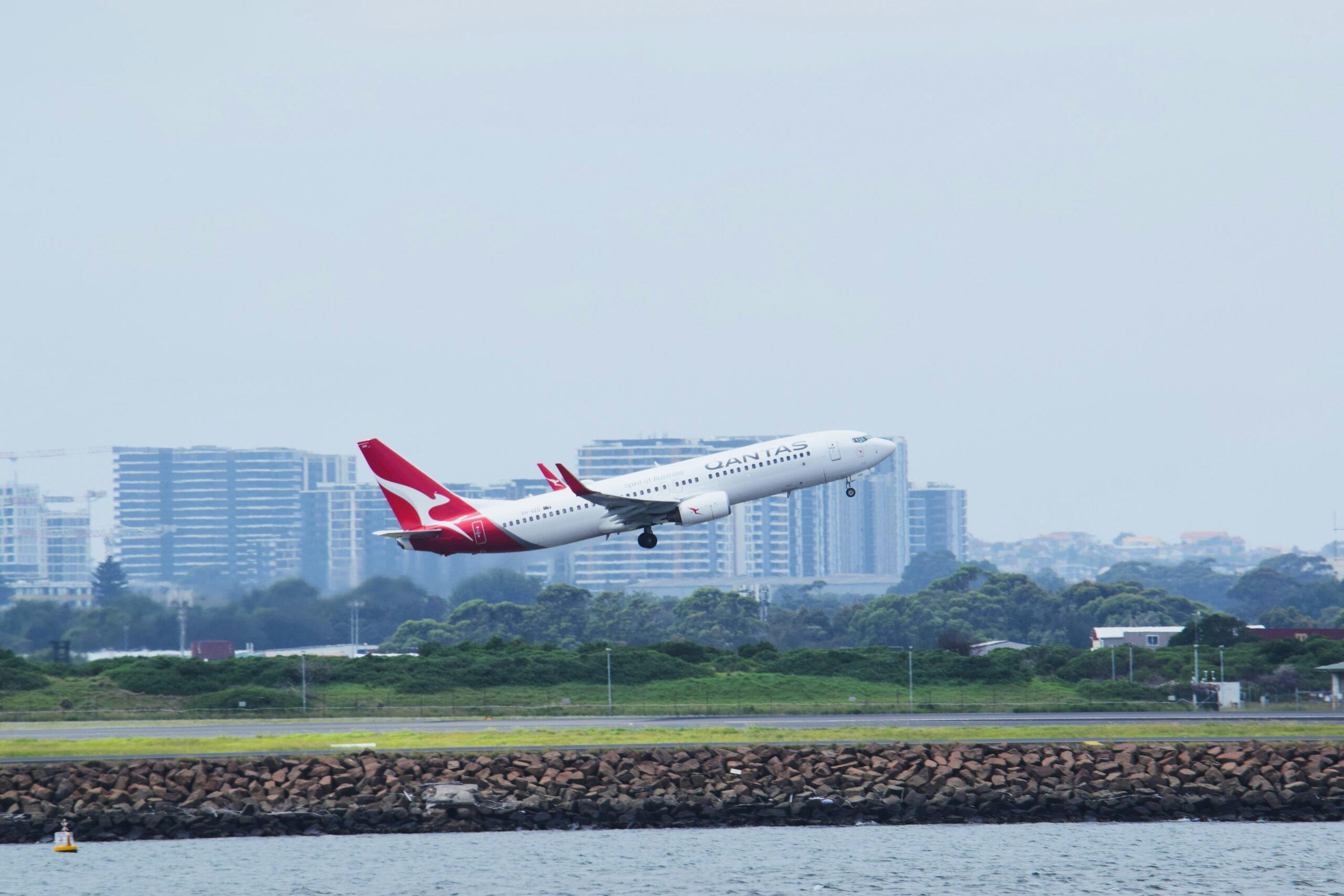
Sustainability remains one of the most important reasons behind the rise of slow travel in 2025. Tourism contributes significantly to global carbon emissions, particularly through air travel and rapid transportation between destinations.
By taking fewer trips and staying longer in each location, travelers reduce the number of flights they take annually. They also rely more on trains, buses, bicycles, and walking.
European destinations such as Switzerland have embraced slow tourism by promoting scenic train journeys and eco-friendly travel routes through mountains and villages.
Many travelers also support local economies more effectively when they stay longer. Instead of spending money at large international chains, slow travelers often shop at small businesses, family restaurants, and local markets.
The Cultural Benefits of Slow Travel
Culture reveals itself gradually. Museums and monuments provide valuable insights, yet everyday life tells a deeper story.
Slow travel in 2025 allows visitors to witness daily routines. Travelers observe morning markets, neighborhood festivals, and traditional celebrations that rarely appear in tourist brochures.
Language learning also becomes easier. Travelers staying longer in one location often pick up basic phrases quickly. These small efforts create stronger connections with residents.
Local friendships sometimes develop unexpectedly. A conversation with a shopkeeper might lead to an invitation to a family dinner or community event.
These moments transform travel into something far more meaningful than sightseeing.
Slow Travel and Mental Well-Being
Modern lifestyles often create stress and constant urgency. Many travelers realize that rushed tourism reflects the same pressures they experience at home.
Slow travel in 2025 encourages relaxation and mindfulness. Visitors spend more time walking through neighborhoods, enjoying parks, and observing daily life.
Psychologists frequently emphasize that meaningful experiences improve mental well-being more effectively than material purchases. Slow travel provides exactly that type of experience.
Travelers often return home feeling refreshed rather than exhausted.
How to Practice Slow Travel in 2025
Choose One Region Instead of Many
Instead of visiting several cities in one trip, focus on one region. This approach allows deeper exploration and reduces travel fatigue.
Stay Longer in One Place
Consider spending at least a week or two in one destination. This time allows travelers to explore beyond the obvious attractions.
Use Local Transportation
Trains, bicycles, and walking provide opportunities to discover hidden corners of destinations.
Support Local Businesses
Eat at neighborhood restaurants, buy handmade crafts, and stay in locally owned accommodations.
Leave Time for Unplanned Experiences
The best travel memories often occur spontaneously. Slow travel allows space for unexpected discoveries.

Will Slow Travel Shape the Future of Tourism?
Travel experts increasingly believe that slow travel in 2025 represents a major shift in global tourism philosophy. Travelers want deeper experiences rather than superficial visits.
Destinations also benefit from this trend. Instead of overwhelming popular attractions, slow travel distributes tourism across neighborhoods and rural areas.
Local communities receive more sustainable economic support while preserving cultural identity.
Imagine a future where travel focuses on connection rather than speed. A future where visitors stay longer, learn more, and contribute positively to destinations.
Would you consider taking fewer trips if it meant experiencing destinations more deeply? Do you prefer exploring one place thoroughly, or visiting multiple cities quickly?
Your perspective matters. Share your thoughts and travel experiences with us.
If you enjoy thoughtful travel insights like slow travel in 2025, stay connected with WentWorld. Follow our social media platforms for inspiring travel ideas, industry trends, and destination stories from around the world.
The next time you plan a journey, consider slowing down. You might discover that fewer trips lead to the most unforgettable adventures.
Catch up on the top stories and travel deals by subscribing to our newsletter!


Leave a Reply
You must be logged in to post a comment.