Have you ever found yourself in a foreign country during a major religious holiday? Maybe you didn’t plan it that way. Or maybe, you did—and ended up experiencing something way more profound than expected. Whether it’s the quiet stillness of a fasting city, the vibrant chaos of a festival parade, or the deeply moving rituals in sacred places, travel during religious observances can be eye-opening in every sense of the word.
But what should you expect? What should you *know* before you go? And most importantly—what can you gain from it?
In this blog, we’ll explore what it’s really like to travel during religious observances. I’ll share stories, cultural insights, and even a few “oops” moments—because let’s face it, cultural misunderstandings happen! But they’re also how we grow. Have you ever experienced travel like this? Drop your story in the comments—I’d genuinely love to hear it!
1. The Unexpected Quiet: Ramadan in Istanbul
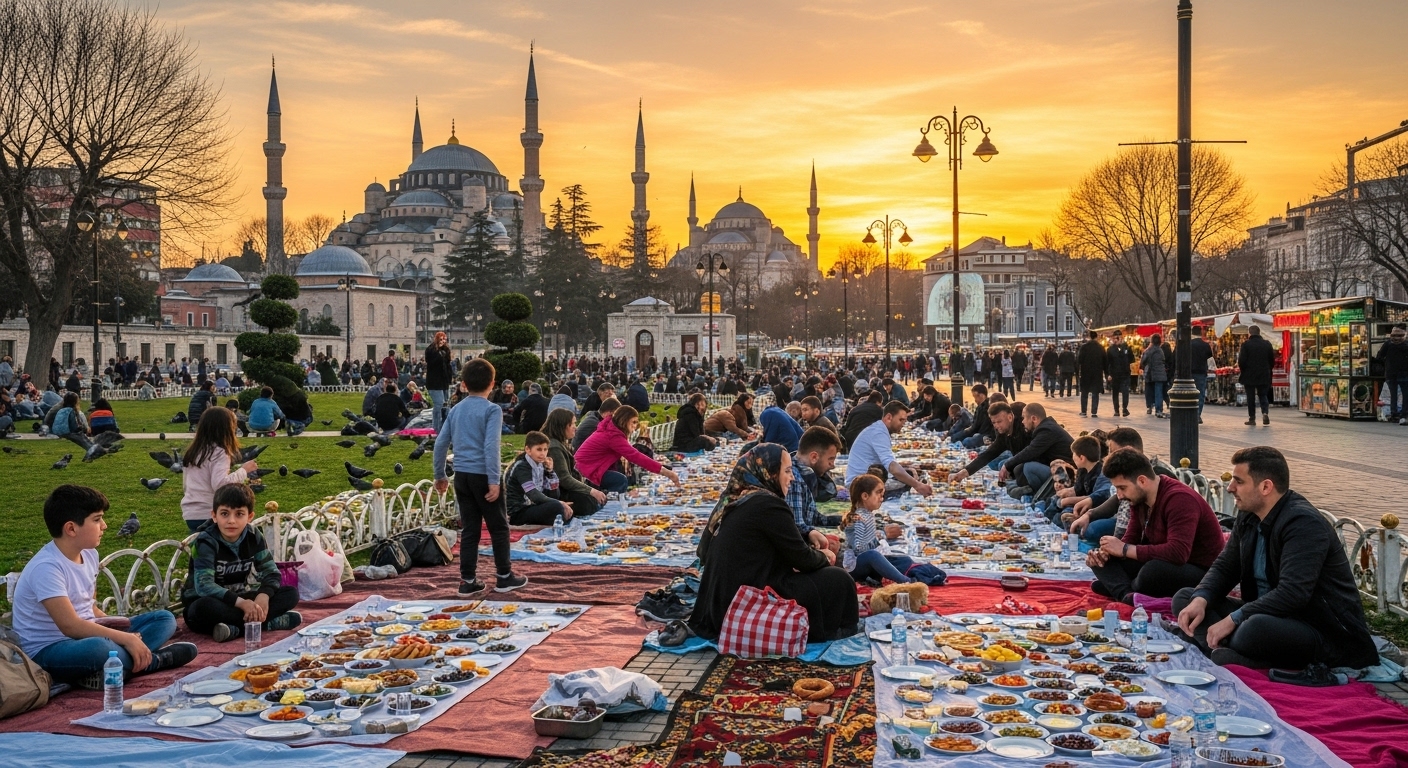
If you find yourself in Istanbul during Ramadan, it’s like stepping into a slower, more sacred version of the city. The usual midday bustle softens. Locals fast from sunrise to sunset, and restaurants may stay closed during daylight. But come sundown? The city *awakens*. Families gather in parks for iftar picnics, call to prayer echoes from every minaret, and the whole city seems to breathe in unison.
This is a beautiful time to experience empathy. Even if you’re not fasting, you can feel the unity and self-discipline. Some travelers even try fasting for a day or two—just to understand. Would you try that? Or have you? Share your experience below.
2. Holi in Varanasi: Color, Chaos, Connection
Now, let’s go to India. Holi—the festival of colors—isn’t just a spectacle. It’s spiritual, chaotic, joyful, messy, and deeply symbolic. In Varanasi, people throw colored powder in the air, smear it on strangers’ faces, and dance to loud drums. But Holi is also about victory of good over evil, love, and renewal.
If you’re traveling during Holi, be prepared to get colorful (and possibly soaked). But more than that—be ready to be welcomed. You might be a stranger, but that doesn’t matter during Holi. Everyone becomes part of the celebration.
Have you celebrated a local religious festival while abroad? Did it change your perception of the culture or your connection to people? Let’s talk about it below!

3. Closed Doors & Open Hearts: Yom Kippur in Jerusalem
During Yom Kippur, the Jewish Day of Atonement, nearly everything in Jerusalem comes to a halt. No traffic. No shops. No entertainment. It’s a day of fasting, prayer, and deep reflection. At first, as a traveler, this might feel… well, inconvenient. But then you realize something profound is happening.
The stillness gives you space to reflect, too. You might see families walking together in silence, or strangers helping each other in small but meaningful ways. Traveling during religious observances like this makes you pause—literally and emotionally.
4. Lent in the Philippines: Faith on Full Display
Visit the Philippines during Lent, especially Holy Week, and you’ll witness acts of intense devotion. Some processions involve reenactments of the Passion of Christ—complete with self-flagellation or even mock crucifixions in some provinces. For many, this is a deeply personal act of faith.
As a traveler, you might feel torn—awed by the devotion but unsure how to respond. The key is respect. Don’t gawk. Don’t turn it into spectacle. Just observe, and reflect. Maybe ask a local about their beliefs if the moment feels right. You’ll often find they’re happy to explain.
5. Eid al-Fitr in Cairo: A City Rejoices
Imagine waking up in Cairo on the morning of Eid al-Fitr. After a month of fasting, families dress in new clothes, mosques overflow with worshippers, and the air is filled with celebration. Children receive gifts, special sweets are shared, and there’s a sense of pure joy everywhere.
What stands out most is the generosity. Strangers may invite you to share food. Locals are eager to explain the customs. If you’ve ever wanted to understand a culture through its kindness—this is the moment.
6. Silence in Bali: Nyepi, the Day of Silence
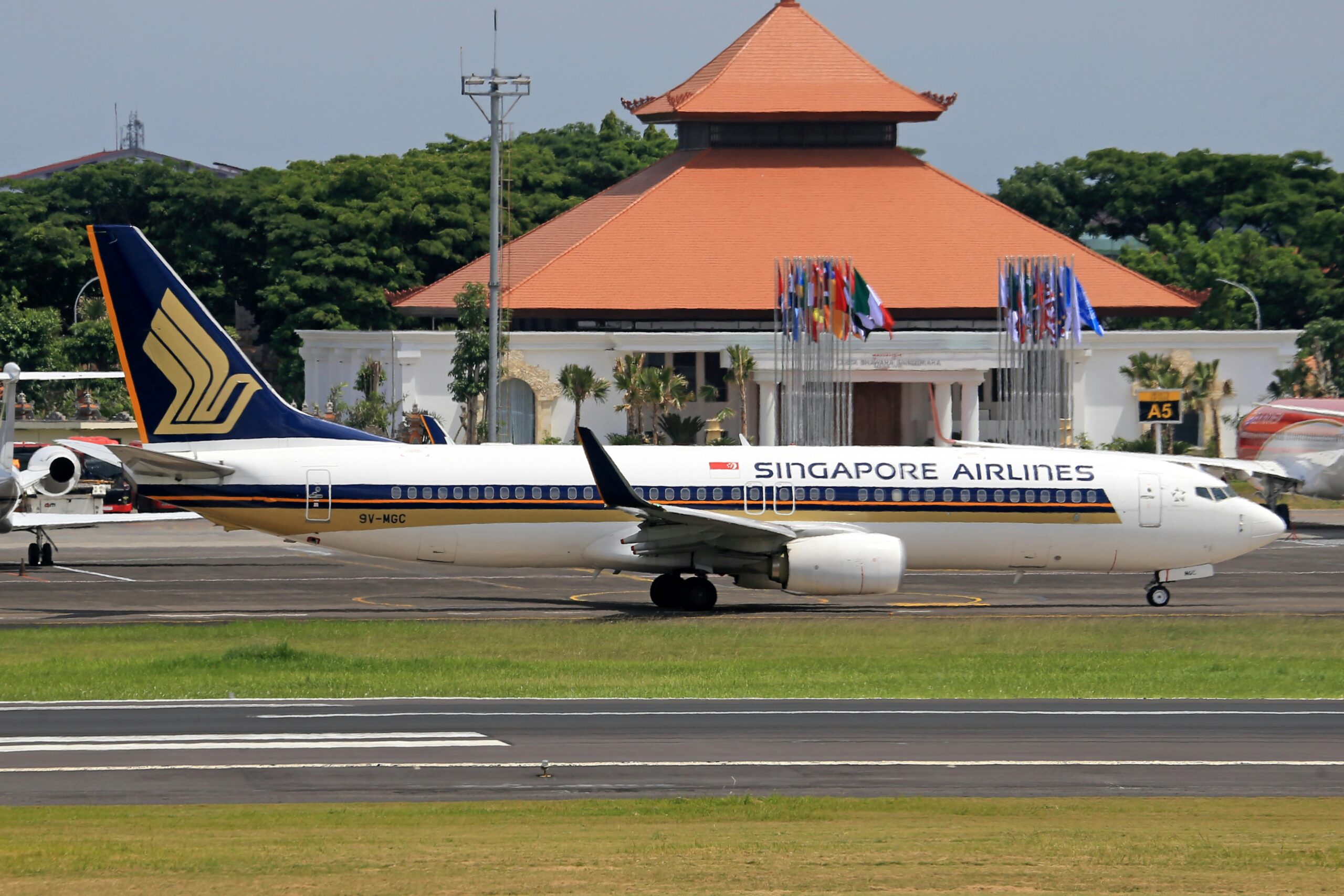
Now for something truly unique: in Bali, Nyepi marks the Balinese New Year with complete silence. No flights. No cars. No lights. Even tourists are asked to stay inside their hotels. It’s not just a rule—it’s a cultural and spiritual cleansing.
At first, you might find this frustrating. But then, something shifts. Without the noise, the crowds, the “doing”—you simply *are*. And it’s in that stillness that Bali reveals a deeper layer of itself. It’s not the beach or the temples—it’s the soul of the island.

7. Christmas in Europe: Markets, Midnight Mass, and More
From the glowing markets in Germany to midnight masses in Italy, traveling through Europe during Christmas feels like stepping into a snow globe. Streets sparkle. Choirs echo through stone churches. And yes, the food is glorious—roasted chestnuts, mulled wine, gingerbread.
But beyond the twinkle, there’s tradition. You’ll find centuries-old rituals that bring people together in ways that feel timeless. Ever been part of a Christmas dinner abroad? What was the highlight for you?
8. Buddhist Lent in Thailand: A More Peaceful Way to Travel
Buddhist Lent is a time of quiet meditation and reflection in Thailand. Monks retreat into their temples, and many locals abstain from alcohol or meat. For travelers, this means fewer parties—but more opportunity for peaceful immersion.
Wander through a temple during this time, and you’ll feel it—the calm, the mindfulness, the deep spiritual energy. Maybe you’ll join a meditation session or give alms to a monk. Whatever you do, your travel will take on new meaning.
So… Should You Travel During Religious Observances?
Let’s be honest—it’s not always convenient. Some places shut down. Others get overwhelmingly crowded. But is it worth it?
Absolutely. Because travel during religious observances gives you more than just sights. It gives you insight. You witness devotion, community, tradition, and transformation. You learn about people—not through brochures or blogs, but through lived experience.
And yes, sometimes you make mistakes. Maybe you didn’t realize you were supposed to take off your shoes. Or you ate in public during fasting hours. But these moments, too, are part of the journey. You apologize, you learn, you grow. That’s real travel, isn’t it?
Tips for Traveling During Religious Observances
- Research beforehand: Know what’s happening during your travel dates. This can help you avoid surprises (good and bad).
- Dress respectfully: Modesty matters in many traditions. When in doubt, cover shoulders and knees.
- Don’t assume: What feels like celebration to one person may feel solemn to another. Approach with curiosity, not judgment.
- Ask locals: People love to share their traditions. A simple question can unlock an unforgettable experience.
- Be flexible: Things might close. Plans might change. Let go of the itinerary and let the moment guide you.
When you travel during religious observances, you step into another layer of the world—a sacred, reflective, celebratory, deeply human layer. You see places at their most honest. And you leave changed.
So, would you plan your next trip during a religious holiday? Or have you already experienced one and have a story to tell? Share it in the comments—I’d truly love to hear how it changed you.
And hey—if this gave you a new perspective, make sure to follow us on social media. We post travel inspiration, real stories, and cultural deep dives that go beyond the surface.
Catch up on the top stories and travel deals by subscribing to our newsletter!