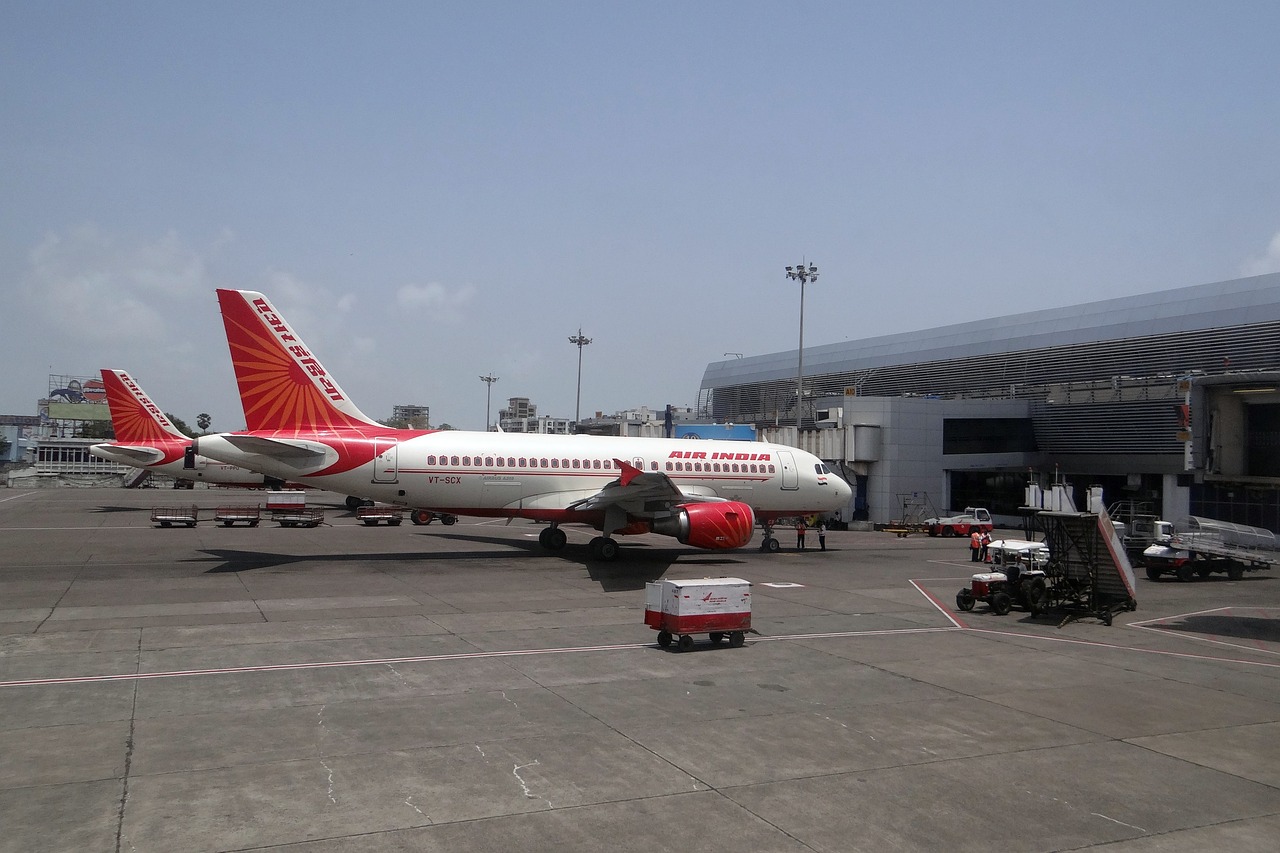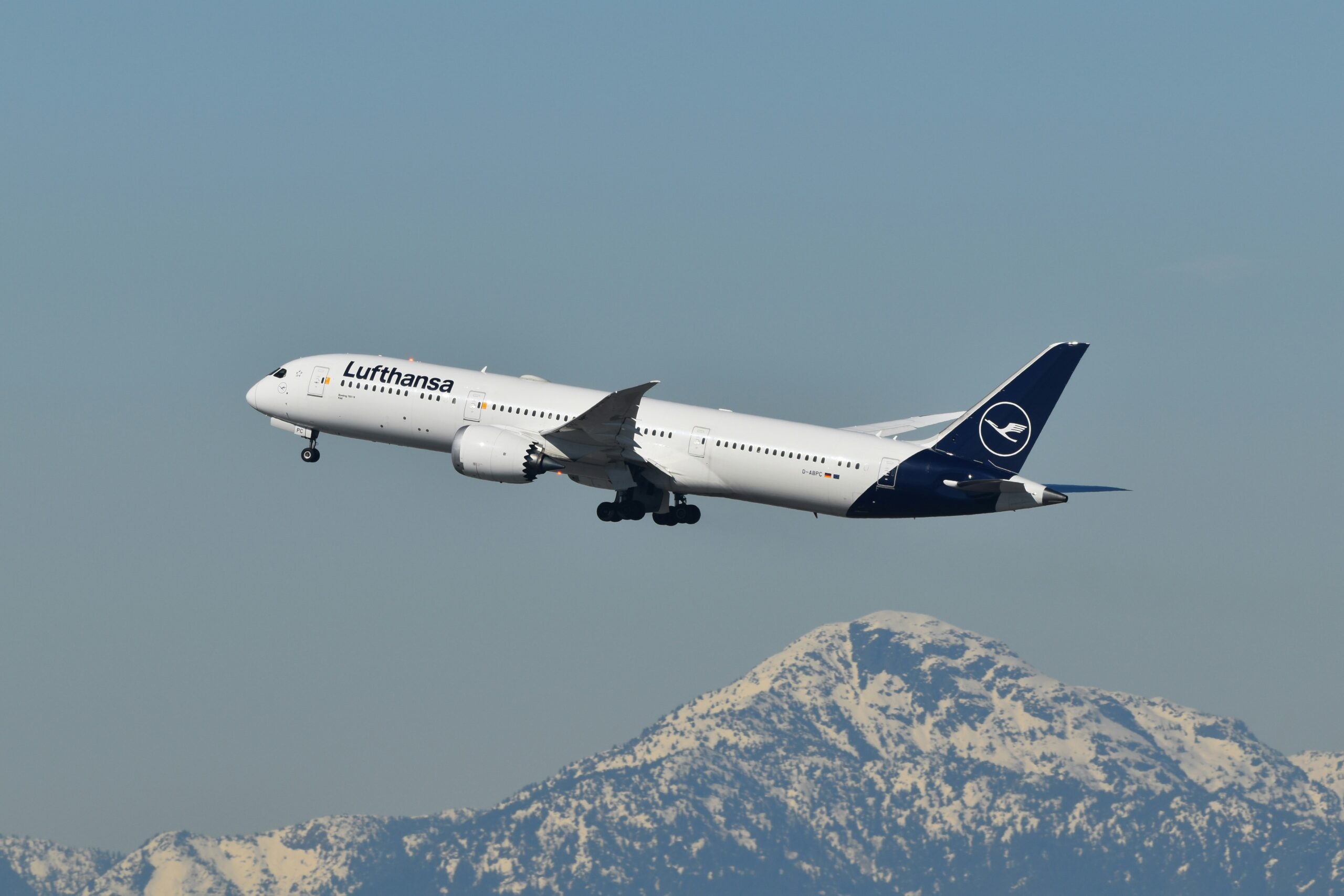
Lufthansa and Qatar Cargo faced a near miss over Bogotá skies. Also, both jets flew close during the final approach phase. Because traffic stayed heavy, controllers managed tight spacing rules. As a result, pilots reacted fast and avoided danger.
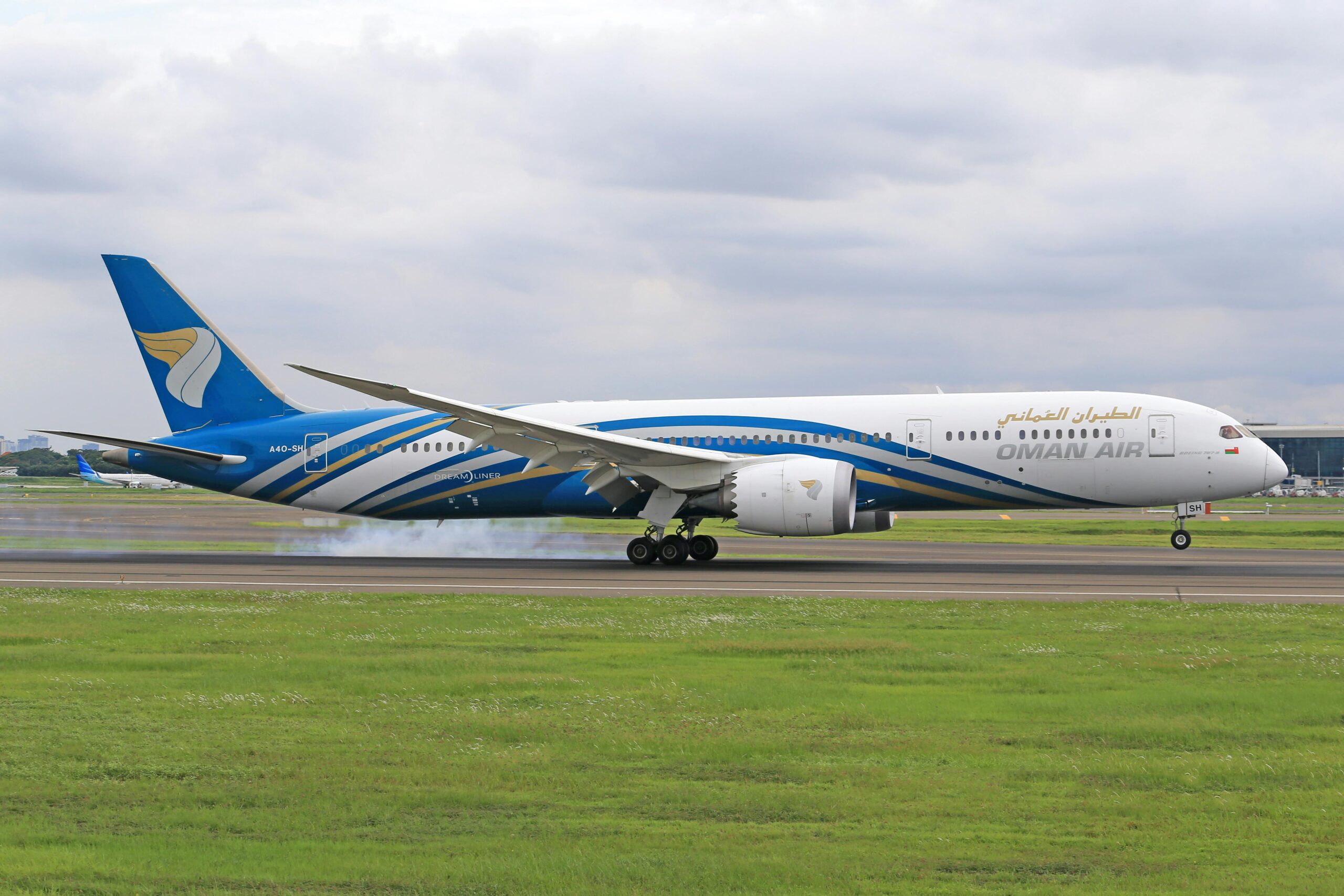
At El Dorado Airport, a Boeing 787 and a Boeing 777F approached runway 32L. Also, Lufthansa and Qatar Cargo aircraft entered the same busy corridor. Then spacing reduced quickly during the final descent path. So controllers faced rising pressure during peak arrivals.
During descent, vertical distance dropped to unsafe levels. So cockpit alerts warned both flight crews immediately. Then the Lufthansa crew chose a go-around maneuver. After that, the aircraft climbed and regained a safe height.
Because air traffic grew heavy, controllers managed multiple arrivals. Also, wake turbulence risk demanded strict spacing control. So timing errors increased workload in busy airspaces. Therefore, safety rules guided fast pilot decisions.
At the same time, a Qatar cargo flight landed safely. Then the Lufthansa aircraft circled and prepared for a second approach. Also, onboard systems helped pilots monitor altitude and speed. So both aircraft avoided any collision risk completely.
Afterward, aviation authorities opened a full investigation. Then investigators reviewed radar data and cockpit recordings. Also, experts checked communication gaps and spacing decisions. So findings will improve future airport safety systems.
Finally, the event shows rising complexity in global aviation. Also, air traffic growth demands better coordination tools. So airports must strengthen safety systems for busy routes. Therefore, pilots and controllers continue to protect passengers worldwide.
Related stories:
Catch up on the top stories and travel deals by subscribing to our newsletter!