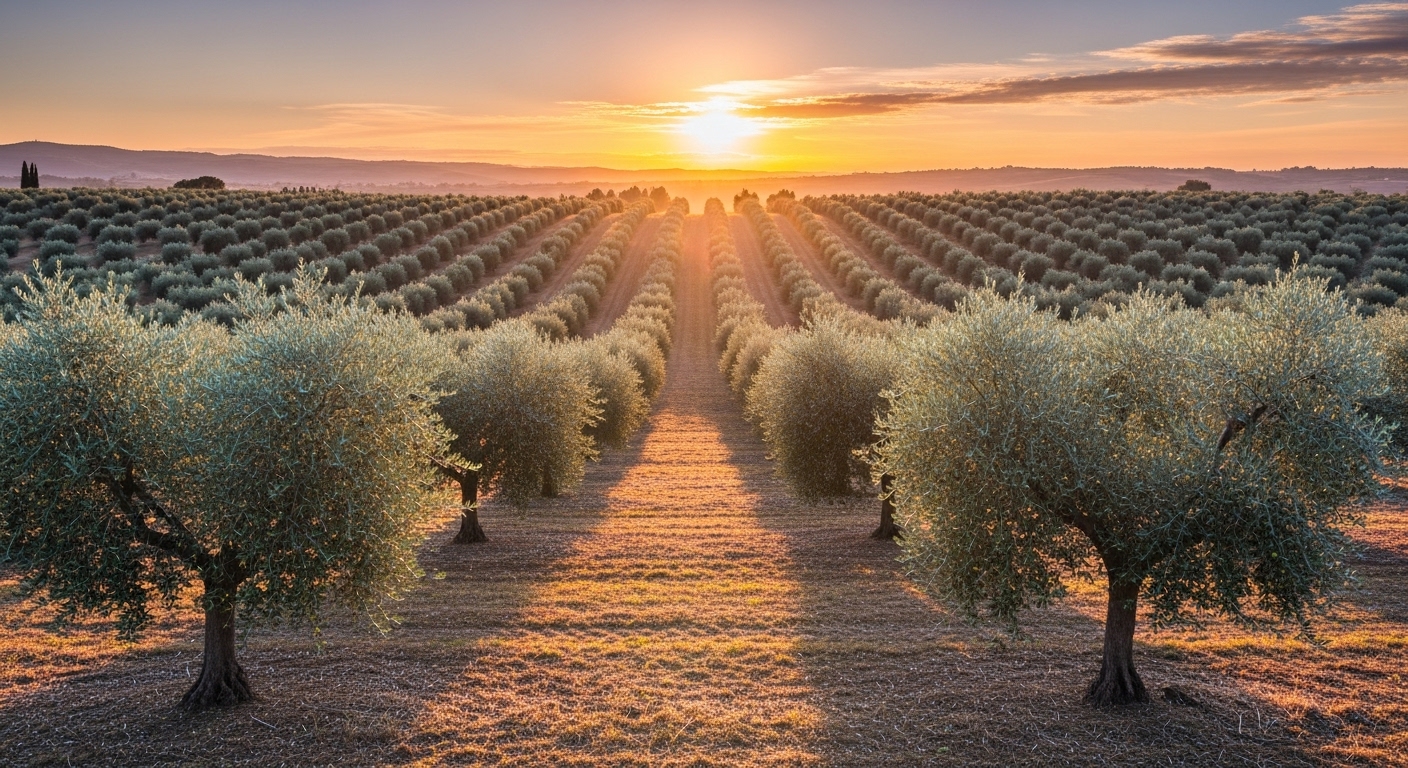
There’s a road in southern Europe where the air smells faintly of rosemary, sun-warmed earth, and pressed olives. It winds through silver-green trees that shimmer like water under the sun. Welcome to the Olive Oil Roads — journeys that lead not just through landscapes, but through centuries of tradition, craftsmanship, and taste.
In the age of fast travel and quick experiences, olive oil tourism is something different. It’s slow, sensory, and deeply rooted in place. Imagine waking up in a restored farmhouse surrounded by olive groves, walking between ancient trees before breakfast, and ending the day with a tasting menu prepared from the very oil pressed on-site. This is travel for the soul — and the palate.
Why Olive Oil Roads Are the New Wine Trails
Wine has long had its pilgrimages — from France’s Bordeaux to Italy’s Chianti — but now, olive oil is having its moment. Across the Mediterranean, farmers, chefs, and eco-lodges are opening their gates to travelers eager to learn the story behind the liquid gold that anchors their cuisine. These Olive Oil Roads connect historic estates, sustainable groves, and agritourism stays that celebrate the art of extra virgin oil.
Visitors can tour pressing mills, take part in the harvest, and sit down for multi-course tasting menus that elevate olive oil from ingredient to star. It’s not just about sampling — it’s about understanding. Each grove tells a story of soil, weather, and patience. Each variety has its personality: peppery, floral, grassy, or bold. Together, they form a map of Mediterranean life.
1. Tuscany, Italy – Where Olive Oil Is a Family Heirloom
Tuscany’s rolling hills are famous for wine, but they’re also the birthplace of some of Italy’s finest olive oils. Stay at a working agriturismo — a farmhouse that doubles as a small-scale olive producer — and you’ll see why locals treat olive oil like liquid treasure. The harvest happens in autumn, when families gather to handpick olives before they’re cold-pressed within hours to preserve their flavor.
Guests can take part in the harvest, watch the pressing process, and enjoy tasting menus where each course features the estate’s oil — drizzled over bruschetta, tossed with handmade pasta, or swirled into velvety soups. A guided walk through the groves at sunset completes the sensory experience.
Recommended stays: Castello di Ama near Siena or Fattoria La Vialla in Arezzo — both family-run estates offering organic olive oil tastings and rustic lodgings surrounded by cypress trees.
2. Andalusia, Spain – The Heartland of Liquid Gold
Spain is the world’s largest producer of olive oil, and Andalusia is its sun-drenched heart. The province of Jaén alone boasts over 60 million olive trees — a shimmering silver sea stretching to the horizon. The Ruta del Aceite (Olive Oil Route) connects small villages, historic mills, and modern eco-estates where visitors can explore the full life cycle of the olive.
Stay in a cortijo (traditional farmhouse) surrounded by groves, tour the on-site mill, and learn to distinguish fruity, bitter, and spicy notes during tastings. Many estates now offer olive oil-inspired menus — think grilled sea bass finished with arbequina oil or chocolate desserts enriched with picual’s green spice.
Don’t miss the Museum of Olive Culture in Baeza, which pairs perfectly with a guided tasting at Castillo de Canena — a family estate producing some of Spain’s most award-winning oils.
3. Peloponnese, Greece – Ancient Groves, Eternal Flavors
Greece’s olive trees are legends — some over 2,000 years old. In the Peloponnese, olive oil isn’t just food; it’s identity. Villages revolve around the olive cycle: harvest festivals, first press celebrations, and long communal meals that last until midnight.
Stay in a family-owned guesthouse or eco-lodge near Kalamata (yes, the famous olive’s namesake) and you’ll likely be invited to join the harvest. The process is still beautifully manual — nets laid under trees, olives hand-raked, laughter echoing across the groves. Afterwards, taste the oil poured fresh from the press — grassy, peppery, and alive.
Local chefs design tasting menus that highlight olive oil in every dish — from spanakopita and fish marinated in lemon and oil to desserts drizzled with citrusy Koroneiki olive oil.
4. Provence, France – Fields of Lavender and Olive Groves
In Provence, olive oil shares the landscape with lavender and vineyards. The Route des Oliviers winds through picturesque villages where the olive press is still the community’s heartbeat. The air is filled with the scent of thyme, wildflowers, and sun-warmed stone.
Visitors can stay in elegant country estates or restored mills that now serve as boutique hotels. Many offer hands-on workshops — from olive oil soap making to guided tastings led by certified oléologues (olive oil sommeliers).
Meals are a sensory masterpiece: roasted vegetables drenched in golden oil, goat cheese drizzled with herb-infused blends, and fresh bread served still warm. Pair it all with local rosé and Provençal sunsets for perfection.
5. Alentejo, Portugal – The Quiet Renaissance
Portugal’s Alentejo region is quietly becoming Europe’s next olive oil hotspot. Its rolling plains, dotted with cork oaks and ancient olive trees, produce oils of remarkable balance and depth. Unlike the bustle of Tuscany or Andalusia, Alentejo feels timeless — perfect for travelers seeking authenticity.
Stay in sustainable lodges like Herdade do Esporão or São Lourenço do Barrocal, where traditional production meets modern hospitality. Join tasting sessions that highlight the nuances of Portuguese varieties, then enjoy slow-food menus built around seasonal, local ingredients.
Many estates also emphasize regenerative farming — combining olive production with biodiversity projects, wildflower corridors, and renewable energy. It’s eco-luxury with roots in heritage.
6. Tunisia – The Ancient Olive Empire
Few travelers realize that Tunisia is one of the world’s oldest olive oil producers. Roman amphorae filled with Tunisian oil once supplied half the empire. Today, the country’s north and central regions are rediscovering their olive legacy, blending ancient techniques with sustainable innovation.
Travel the Olive Tree Heritage Route from Sfax to El Kef, stopping at cooperatives and eco-lodges offering immersive olive oil experiences. Visitors can explore archaeological olive presses, learn about organic farming, and dine under the stars on tasting menus that fuse North African spices with local oils — think harissa-marinated fish and semolina cakes soaked in citrus oil.
What Happens During an Olive Oil Tasting
Tasting olive oil is a surprisingly complex ritual. Much like wine, it engages all the senses. Professionals use small blue glasses to hide the oil’s color (since appearance can mislead). First comes the aroma — grassy, fruity, or nutty. Then the sip — rolled over the tongue to detect bitterness, spice, and texture. The best oils have a balance of fruitiness and “pizzicante,” that delightful peppery bite at the back of the throat.
On tasting menus, chefs showcase these qualities across multiple dishes — raw oil for brightness, warmed oil for smoothness, and infused versions for creative twists. Some experiences even include dessert pairings, proving olive oil’s versatility beyond savory plates.
Living the Olive Grove Life
Staying on a working olive grove isn’t just about tastings — it’s about slowing down. You wake to birdsong, wander among trees that have witnessed empires rise and fall, and share meals made with love and patience. Afternoons are for siestas or walks to nearby villages; evenings bring conversation, wine, and oil-laced delicacies.
Many estates invite guests to join workshops: pruning trees, blending their own oil, or cooking local dishes. The experience connects travelers to the rhythms of the land — an antidote to fast travel and digital noise.
Sustainable Travel Through the Olive Oil Lens
Olive oil tourism is one of the most sustainable forms of agritourism. It supports small farmers, preserves traditional landscapes, and promotes biodiversity. Many groves are shifting to organic methods, solar-powered mills, and eco-friendly packaging — initiatives visitors directly contribute to by staying on-site.
In regions facing depopulation, agritourism provides crucial income while maintaining cultural heritage. When you stay on an olive estate, you’re not just enjoying a meal — you’re helping sustain a centuries-old ecosystem.
7. Crete, Greece – The Island of Immortal Trees
Crete’s olive trees are the stuff of legend — some estimated to be over 3,000 years old. The island’s oil is central to the famed Mediterranean diet, known for its health benefits and rich flavors. Visit during harvest season (November–January) to witness families handpicking olives in the crisp winter sun.
Stay in traditional stone villas around Chania or Rethymno, where hosts often produce their own oil. You can hike ancient olive trails, explore mill museums, and enjoy Cretan feasts featuring fresh-baked bread, goat cheese, and honey drizzled with golden oil.
For a deeper dive, visit the Monumental Olive Tree of Vouves — still bearing fruit after three millennia. It’s living proof that olive oil isn’t just food — it’s heritage.
Tips for Planning Your Olive Oil Road Adventure
- Best time to go: Harvest season (October–January) for hands-on experiences, or spring for flowering groves and quiet stays.
- Book farm stays early: Many small estates have limited rooms, especially during harvest.
- Take your time: Olive oil routes are best enjoyed slowly — one grove, one meal, one conversation at a time.
- Buy local oil: Many estates let you bottle your own to take home — the ultimate edible souvenir.
The Road Ahead: Taste, Travel, and Tradition
Traveling along the Olive Oil Roads isn’t just about gastronomy — it’s about connection. To land, to culture, to time. Each grove is a living museum, each bottle a story of sun, soil, and dedication. In every drop of oil, there’s a landscape — one you can walk, taste, and remember.
So next time you drizzle olive oil on bread, think of where it might come from — perhaps a hill in Tuscany, a valley in Andalusia, or a quiet grove in Crete. Better yet, plan a trip to see it for yourself. Because the best way to understand olive oil… is to follow its roots. Share your olive oil travel dreams or favorite tasting experiences in the comments!
Catch up on the top stories and travel deals by subscribing to our newsletter!