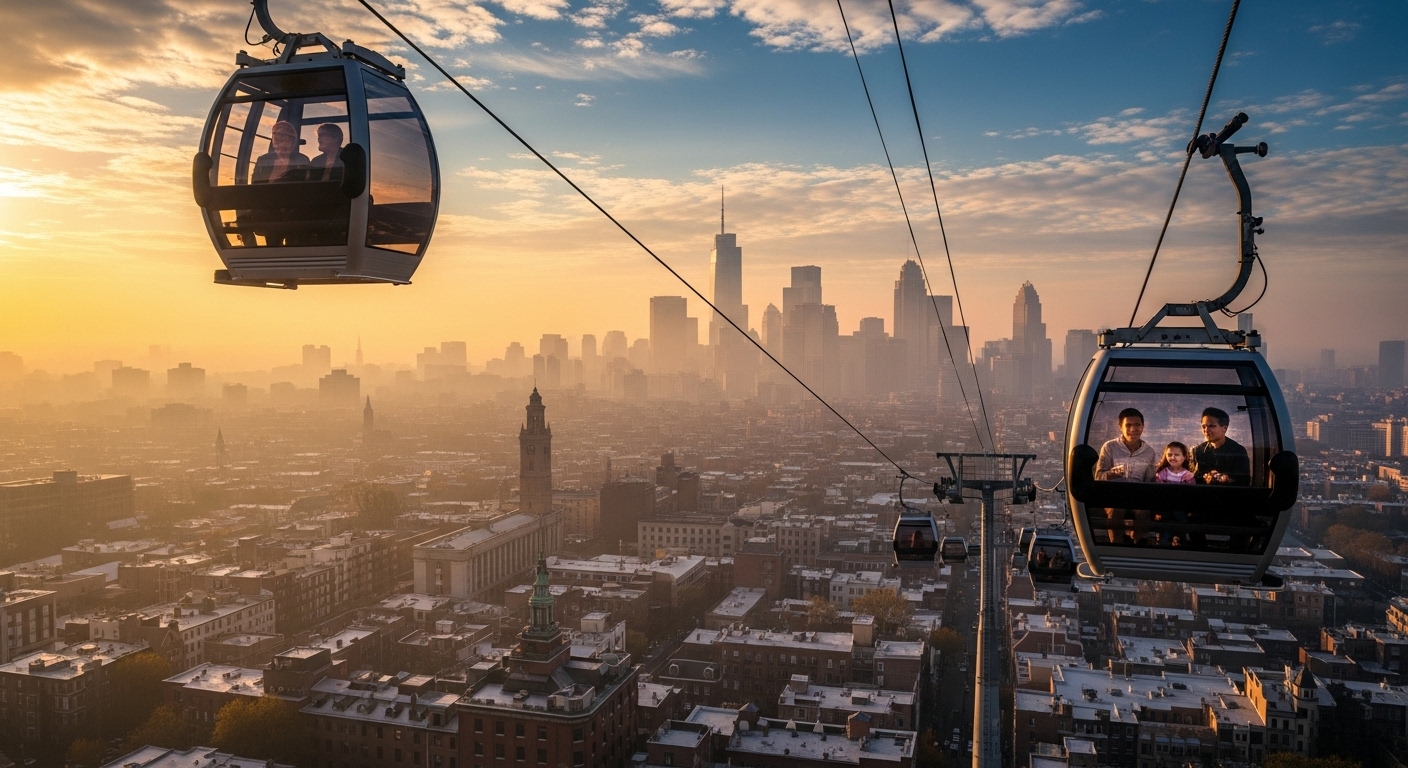
Public transportation is usually predictable. Buses, trains, subways, maybe a tram or two. But across the globe, some places have developed systems so unique that they feel almost unreal. The World’s Most Unusual Public Transportation Methods are not just creative solutions; they are reflections of geography, culture, history, and human adaptability.
These systems were not built to impress tourists. They exist because traditional transportation simply would not work. Mountains, rivers, steep cliffs, dense urban centers, and historical limitations forced communities to innovate.
Have you ever wondered how people commute when roads are impossible, rivers replace streets, or space is limited?
Why Unusual Transportation Systems Exist
Every transportation system tells a story. In many cases, unusual public transport developed because of physical challenges such as steep terrain, water-based cities, or overcrowded urban layouts.
In other cases, history played a role. Older cities adapted early technologies that remain in use today because replacing them would disrupt daily life.
The World’s Most Unusual Public Transportation Methods are proof that innovation doesn’t always look futuristic. Sometimes, it looks simple, efficient, and deeply connected to place.
Venice, Italy – Water Buses Instead of Roads
In Venice, streets are canals. The city’s primary public transport system is the vaporetto, a water bus that moves people through the Grand Canal and smaller waterways.
Vaporettos function exactly like city buses, complete with routes, schedules, and stops.
Cars are nonexistent, and walking combined with water transport forms the backbone of daily commuting.
More information on Venice’s transport system can be found via Venezia Unica.

La Paz, Bolivia – Cable Cars as Urban Transit
La Paz operates one of the world’s largest urban cable car systems. Instead of climbing steep hills by road, residents ride gondola-style cabins suspended above the city.
This system dramatically reduces travel time and avoids traffic congestion.
For locals, cable cars are not a novelty; they are the fastest and most reliable way to commute.
Bolivia promotes sustainable urban mobility through initiatives supported by Bolivia Tourism.
Hong Kong – Double-Decker Trams Through Skyscrapers
Hong Kong’s iconic double-decker trams have been running for over a century. They move slowly through dense urban streets, passing between towering skyscrapers.
The trams are affordable, efficient, and deeply embedded in daily life.
Despite modern subways and buses, these historic trams remain one of the most used transport options in the city.
Valparaíso, Chile – Hillside Funiculars
Valparaíso is built on steep hills overlooking the Pacific Ocean. To navigate the elevation, the city uses ascensores, historic funicular railways.
These small rail cars climb nearly vertical slopes, connecting hilltop neighborhoods with the port below.
Many of these funiculars date back to the late 19th century and are still operational today.
Bangkok, Thailand – River Ferries as Daily Commutes
Bangkok’s Chao Phraya River serves as a major transportation corridor. Public river ferries move thousands of commuters every day.
These boats operate on fixed routes with designated piers, functioning much like buses on water.
For many residents, river transport is faster and more reliable than road travel.
Thailand’s tourism and infrastructure insights are available through Tourism Authority of Thailand.
Wuppertal, Germany – Suspended Monorail Over the River
The Wuppertal Schwebebahn is a suspended monorail that hangs above streets and rivers.
Opened in 1901, it remains one of the oldest electric elevated railways in the world.
Passengers ride beneath the track, gliding smoothly above the city.
Germany’s transport heritage is supported by Germany Travel.

Lisbon, Portugal – Historic Trams on Narrow Streets
Lisbon’s trams squeeze through streets so narrow that buildings appear within arm’s reach.
Designed specifically for sharp turns and steep hills, these trams are perfectly adapted to the city’s layout.
They are used daily by locals, not just visitors.
Manila, Philippines – Jeepneys as Public Transport
Jeepneys are colorful, elongated vehicles originally made from surplus military jeeps.
They operate on fixed routes and are one of the most affordable transport options in Manila.
Each jeepney is uniquely decorated, turning public transport into moving art.
Medellín, Colombia – MetroCable Connecting Hillside Communities
Medellín integrated cable cars into its metro system to connect underserved hillside neighborhoods.
This system improved access to jobs, education, and healthcare.
MetroCable demonstrates how unusual transport can drive social transformation.
Tokyo, Japan – Pushers Making Trains Possible
During peak hours, Tokyo employs staff whose job is to gently push passengers into crowded trains.
This practice ensures doors can close and trains stay on schedule.
While unusual, it reflects the city’s extreme efficiency and density.
Japan’s transport systems are documented through Japan National Tourism Organization.
Why Locals Depend on These Systems
For residents, these transportation methods are not attractions.
They are practical, affordable, and often the only viable option.
People plan their lives around these systems, relying on them for work, school, and daily errands.
Transportation as Cultural Identity
Public transport often becomes a symbol of a city.
From Venetian boats to Bolivian cable cars, these systems shape how outsiders perceive a place.
They also reinforce a sense of shared identity among locals.
Environmental Benefits of Unusual Transport
Many of the World’s Most Unusual Public Transportation Methods are environmentally friendly.
Water transport, cable cars, and electric trams produce lower emissions than private vehicles.
They reduce congestion and promote shared mobility.
Challenges These Systems Face
Maintenance costs, aging infrastructure, and climate change threaten many unique transport systems.
Flooding, rising sea levels, and extreme weather pose increasing risks.
Preserving these methods requires investment and long-term planning.
Why Travelers Should Experience These Transport Methods
Using local transport offers a deeper understanding of daily life.
It allows travelers to see cities from the same perspective as residents.
These experiences often become the most memorable part of a journey.
What the Future Holds for Unusual Public Transport
As cities grow, many are adapting old systems with modern technology.
Electric upgrades, digital ticketing, and sustainable energy sources help preserve these methods. The future may combine tradition with innovation rather than replace it.
The World’s Most Unusual Public Transportation Methods remind us that there is no single way to move through a city. They reflect creativity born from necessity.
If you enjoy discovering how people live, commute, and adapt, follow us on social media for more unique destinations. And tell us — which transportation system would you try first?
Catch up on the top stories and travel deals by subscribing to our newsletter!