River barge hotels offer a rare kind of travel experience—one where the world does not rush past your window but gently drifts alongside you. Instead of highways, airports, or crowded cruise terminals, these floating hotels follow historic rivers at an unhurried pace. From vineyard-lined canals to ancient trade routes, river barge hotels turn sleeping, dining, and relaxing into part of the journey itself.
Right from the start, river barge hotels feel different. You wake up to soft water sounds instead of traffic. Meanwhile, the scenery changes slowly, almost quietly, as villages, fields, and riverbanks slide by. This style of travel invites you to slow down, observe more, and feel truly present. Have you ever wondered how travel would feel if time stopped chasing you?
At WentWorld.com, we focus on journeys that feel meaningful rather than rushed. River barge hotels perfectly match that idea. They combine comfort, culture, and calm while offering access to places most travelers never see.
What Are River Barge Hotels?
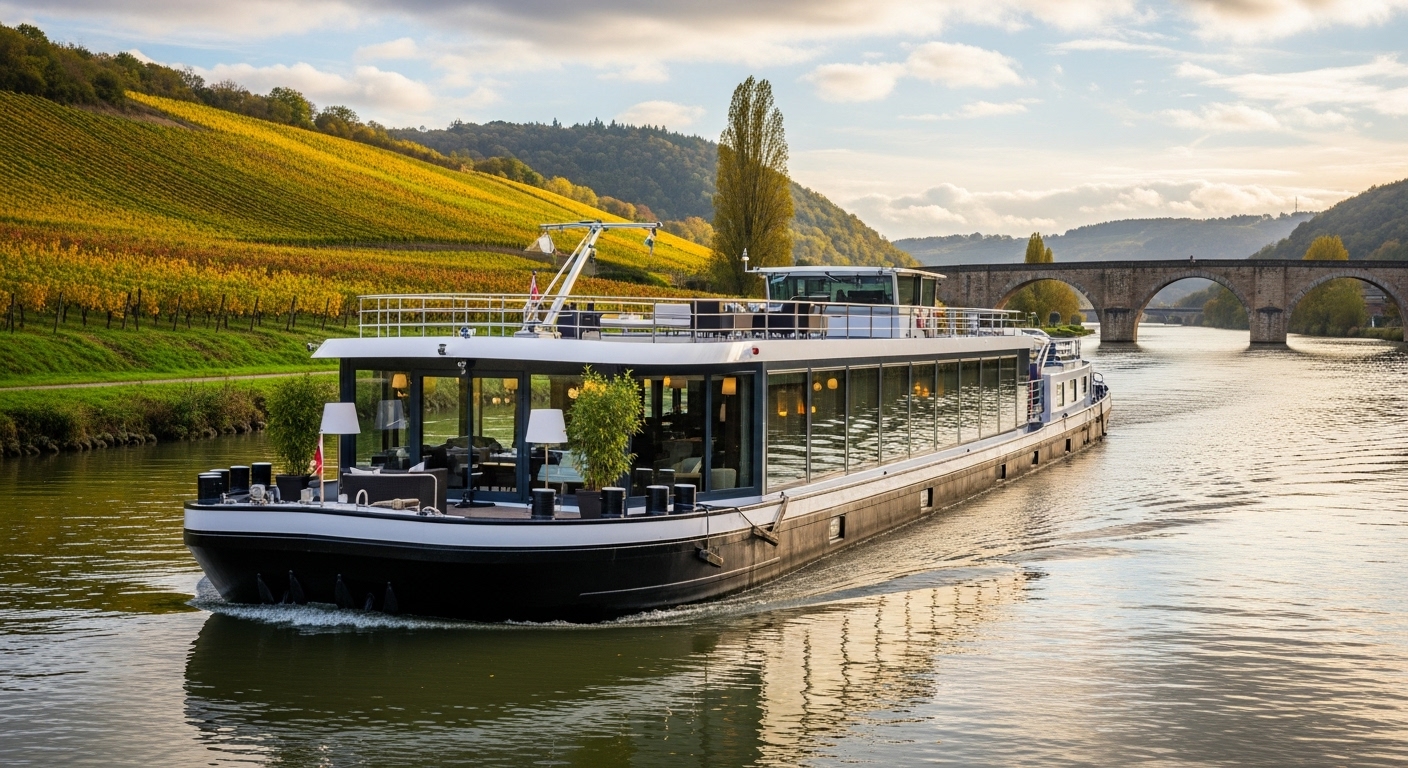
River barge hotels are floating accommodations built on traditional barges or purpose-designed vessels. Historically, barges transported goods such as wine, grain, and coal along inland waterways. Over time, many of these working boats were transformed into elegant floating hotels without losing their original character.
Today, river barge hotels feature private cabins, cozy lounges, dining areas, and open decks. However, unlike large cruise ships, they host only a small number of guests. Because of this, the experience feels personal, peaceful, and relaxed.
Most importantly, river barge hotels travel slowly. Rather than covering long distances each day, they glide through short stretches of river. As a result, guests enjoy deeper connections with each location they pass.

Why River Barge Hotels Are Becoming So Popular
Modern travelers increasingly seek experiences that feel authentic. Instead of racing between landmarks, many people now want to understand how locals live. River barge hotels support this shift perfectly.
For example, as the barge moves along, you might see farmers working near the riverbanks, cyclists following towpaths, or children playing near the water. These everyday scenes create memories that feel genuine and lasting.
In addition, river barge hotels often focus on quality rather than quantity. Meals are thoughtfully prepared, excursions feel unhurried, and conversations flow naturally. Because of this, guests often leave feeling refreshed instead of exhausted.
France: The Classic Home of River Barge Hotels
France remains one of the most popular destinations for river barge hotels. Its vast canal network, originally built for trade, now connects wine regions, historic towns, and rural landscapes.
The Canal du Midi, Burgundy canals, and the River Saône are especially well known. Travelers often stop for wine tastings, market visits, and village walks. According to France.fr, canal cruising offers one of the most immersive ways to experience regional French culture.
Onboard dining usually highlights local cuisine. Fresh bread, regional cheeses, and seasonal produce appear regularly. Consequently, each meal reflects the place you are passing through.
The Netherlands: Floating Comfort Through Historic Canals
The Netherlands offers a unique river barge hotel experience thanks to its famous canal systems. These waterways pass directly through cities as well as quiet countryside.
While drifting through Dutch canals, guests see windmills, flower fields, and historic houseboats. Cities like Amsterdam and Utrecht allow travelers to step off the barge and explore on foot within minutes.

For deeper insight into Dutch water culture, Holland.com explains how canals shaped everyday life across the country.
Germany: River Barge Hotels Along Storybook Rivers
Germany’s Rhine and Moselle rivers create dramatic backdrops for river barge hotels. Vineyards climb steep hillsides, while medieval castles appear around gentle river bends.
Guests often stop at small wine villages where traditions stretch back centuries. Meanwhile, evenings onboard feel peaceful as lights reflect on calm water.
Unlike large river cruises, barge hotels in Germany frequently explore smaller waterways. Therefore, travelers enjoy quieter routes away from heavy tourism.
Asia: River Barge Hotels on Ancient Waterways
In parts of Asia, river-based travel has existed for centuries. Today, river barge hotels continue that tradition along rivers like the Mekong.
These journeys reveal floating markets, riverside temples, and traditional villages. According to Tourism Thailand, rivers remain central to daily life in many regions.
Asian river barge hotels often include cultural activities such as cooking demonstrations or village visits. As a result, guests gain insight into local customs instead of simply observing them.
Daily Life Aboard a River Barge Hotel
Life aboard a river barge hotel follows a gentle rhythm. Mornings begin with breakfast as the scenery slowly changes. During the day, guests explore nearby towns or relax on deck.
Afternoons often pass quietly with reading, conversation, or watching reflections dance on the water. Later, the barge may dock near a village for an evening stroll.
Because there is no rush, many guests find themselves disconnecting from devices and reconnecting with simple pleasures. When was the last time you traveled without checking the clock?
Who Will Enjoy River Barge Hotels the Most?
River barge hotels suit travelers who value calm, culture, and connection. Couples often choose them for romantic getaways, while solo travelers enjoy the friendly onboard atmosphere.
They also appeal to history lovers and food enthusiasts. Since barges reach lesser-known areas, guests often experience places untouched by mass tourism.
However, travelers seeking constant entertainment may find barge travel too slow. This experience rewards patience and curiosity.
Design, Comfort, and Sustainability
Modern river barge hotels balance tradition with comfort. Designers preserve original features while adding modern amenities. Cabins feel cozy yet functional.
Many barges also focus on sustainability. Slow speeds reduce fuel use, while adaptive reuse limits environmental impact. According to ArchDaily, projects like barge hotels show how design can support responsible travel.
Why River Barge Hotels Represent the Future of Slow Travel
Slow travel encourages deeper understanding and less stress. River barge hotels naturally support this mindset. By following the river’s pace, travelers gain time to observe, reflect, and connect.
Instead of chasing destinations, the journey itself becomes the highlight. As more travelers seek meaningful experiences, river barge hotels continue to grow in appeal.
River barge hotels transform waterways into living pathways of culture, history, and calm. They invite travelers to slow down and see the world differently.
Would you choose to sleep on a slow-moving river? Which country or river would you explore first? Share your thoughts—we love hearing from fellow travelers.
Follow WentWorld.com on our social media platforms for more unique travel stories, hidden destinations, and thoughtful journeys.
Catch up on the top stories and travel deals by subscribing to our newsletter!