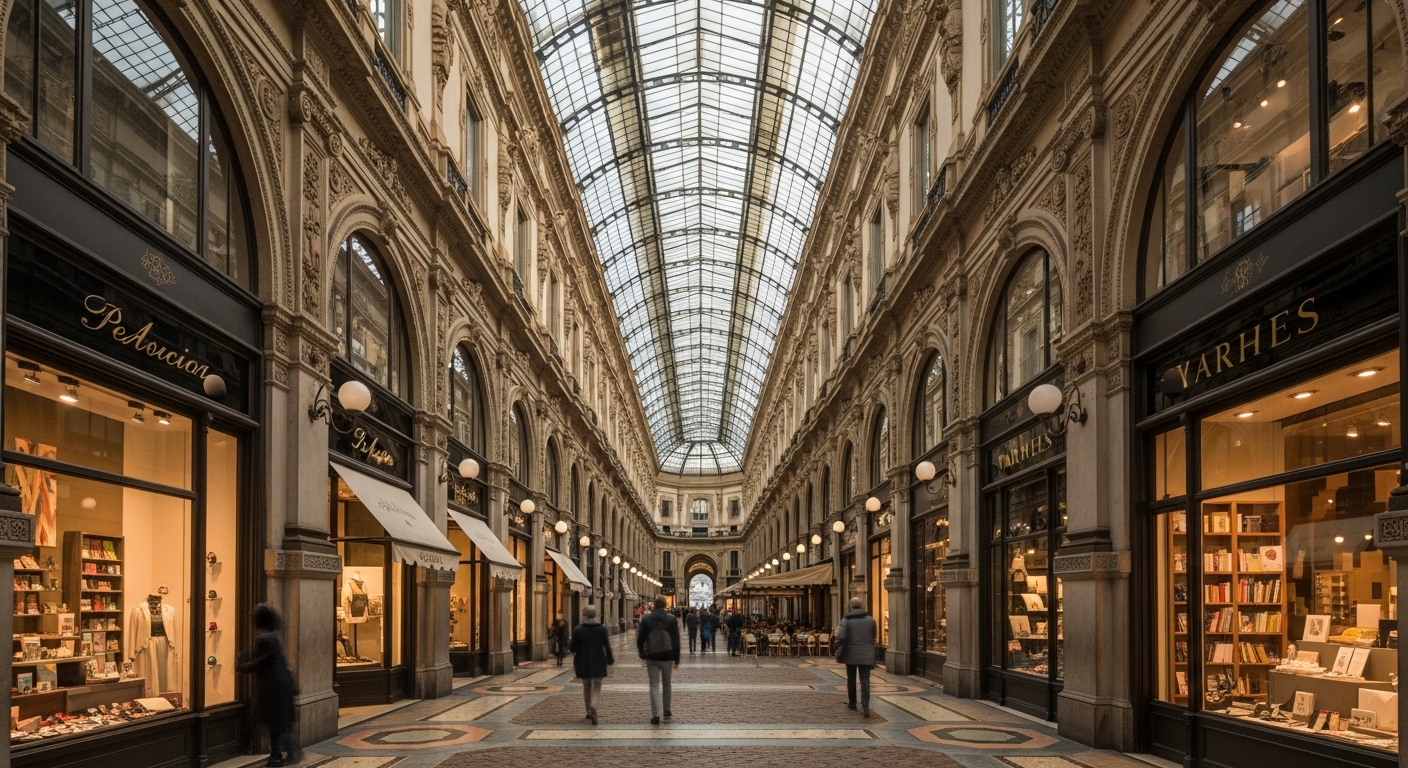
Imagine walking through a narrow, covered alley lined with boutique shops, quaint cafés, and intricate ironwork. Sunlight filters through glass roofs, illuminating cobblestone paths. These are the historic passages and covered arcades found in cities across Europe and beyond, where commerce, architecture, and history merge into a unique urban experience.
Unlike ordinary streets, these passages offer a sense of intimacy and shelter. They were built centuries ago to protect pedestrians from rain, wind, or harsh sunlight, yet their charm persists today. Modern visitors find themselves immersed in spaces where every doorway tells a story, every mosaic tile holds a memory, and every archway invites exploration.
Why Historic Passages Remain Relevant
Historic passages were once the heartbeat of commerce. Merchants displayed their wares, travelers strolled under protective roofs, and social life thrived. Today, these arcades remain vibrant hubs for shopping, dining, and cultural experiences.
Many cities preserve these passages as protected heritage sites, recognizing their architectural and social value. As a result, visitors can enjoy centuries-old craftsmanship while exploring modern boutiques and cafés.
Paris: Galeries Royales and Covered Elegance
Paris is famous for its historic passages and covered arcades. Examples like Galerie Vivienne and Passage Choiseul combine elegant ironwork, intricate tiling, and high glass ceilings. These arcades date back to the 19th century and offer a glimpse into the city’s commercial and artistic past.
Strolling through these galleries, visitors can enjoy everything from antique bookstores to gourmet pastry shops. Because the passageways are covered, they feel cozy even during winter rains or summer heat.
Discover more about Parisian passages here:
Paris Info – Shopping and Passages
Milan: Elegant Galleria Vittorio Emanuele II
Milan’s Galleria Vittorio Emanuele II is a standout example. Built in the 19th century, it features a soaring glass dome, intricate mosaics, and luxury boutiques. Tourists and locals alike flock to the arcade to shop, dine, or simply admire its architecture.
Unlike typical streets, this covered gallery allows visitors to stroll without concern for weather. Its elegance embodies Milan’s reputation for fashion and style.
Learn more about Milan’s Galleria:
YesMilano – Galleria Vittorio Emanuele II

Brussels: Royal Saint-Hubert Galleries
Brussels offers a more intimate arcade experience. The Royal Saint-Hubert Galleries, built in the mid-1800s, feature glazed roofs, ornate facades, and elegant boutiques. These passages host luxury shops, chocolatiers, and theatres, offering a blend of commerce and culture.
Walking through these galleries feels like stepping into a living museum. Light filters through glass ceilings, highlighting the details of the ironwork and the subtle patterns of the flooring.
More on Brussels passages here:
Visit Brussels – Saint-Hubert Galleries
St. Petersburg: Arcade Streets with Imperial Charm
In St. Petersburg, Russia, the passage arcades carry imperial elegance. The Passage shopping center, dating back to the 19th century, combines grandiose architecture with high-end shops. Ornate arches, decorative ceilings, and glass roofs create a sense of historic luxury.
Visitors often pause to admire chandeliers, mosaics, and marble staircases, enjoying both shopping and architectural history simultaneously.
Learn more about St. Petersburg arcades here:
Visit Petersburg
Naples: Galleria Umberto I and Italian Flair
Naples’ Galleria Umberto I is another 19th-century gem. With a cross-shaped layout, glass vaults, and decorative facades, it merges function and beauty. Cafés, shops, and even small theatres line the arcade, making it a social hub as well as a shopping destination.
Local tradition, architecture, and commerce come together here, creating a multi-sensory experience for visitors exploring the city center.
Discover Naples’ historic arcades here:
Visit Naples – Galleria Umberto I

Why Travelers Love Covered Passages
Historic passages offer a unique form of urban exploration. Unlike wide streets, they feel contained and personal. Walking through one is an invitation to slow down, look closer, and appreciate details often overlooked in modern architecture.
They also encourage spontaneous discovery. A small antique shop, an artisanal chocolate store, or a tucked-away café may appear unexpectedly, rewarding the curious explorer.

Tips for Exploring Historic Passages
- Visit early in the morning to enjoy calm, uncrowded spaces.
- Bring a camera for architectural details and ambient lighting.
- Pause at cafés to observe the interplay of light, ironwork, and floor mosaics.
- Check local guides for special exhibitions or performances in arcades.
- Walk slowly—these passages are designed to be experienced, not rushed.
Preserving Historic Arcades for Future Generations
Many cities recognize the cultural and architectural significance of covered passages. Local authorities often regulate renovations to preserve original designs, maintain the integrity of ironwork and glass, and encourage small businesses to operate within these historic structures.
By visiting these spaces respectfully, travelers contribute to their continued relevance and protection.
Historic passages and covered arcades transform ordinary streets into magical, timeless corridors. They remind us that cities are not just places to move through—they are places to experience. From Paris to Naples, Milan to St. Petersburg, each arcade offers a unique narrative written in stone, glass, and iron.
Have you wandered through an arcade that transported you back in time? Share your experiences in the comments below. Follow WentWorld on social media to discover more hidden city gems and architectural wonders around the world.
Catch up on the top stories and travel deals by subscribing to our newsletter!