Have you ever visited a city where the rhythm of the ocean is visible in everyday life? Cities with tide clocks and sea-level art are transforming the way residents and travelers perceive water, climate, and time. From public installations to functional tide-monitoring systems, these cities merge art, science, and urban design to create spaces that are visually stunning, educational, and deeply connected to the environment.
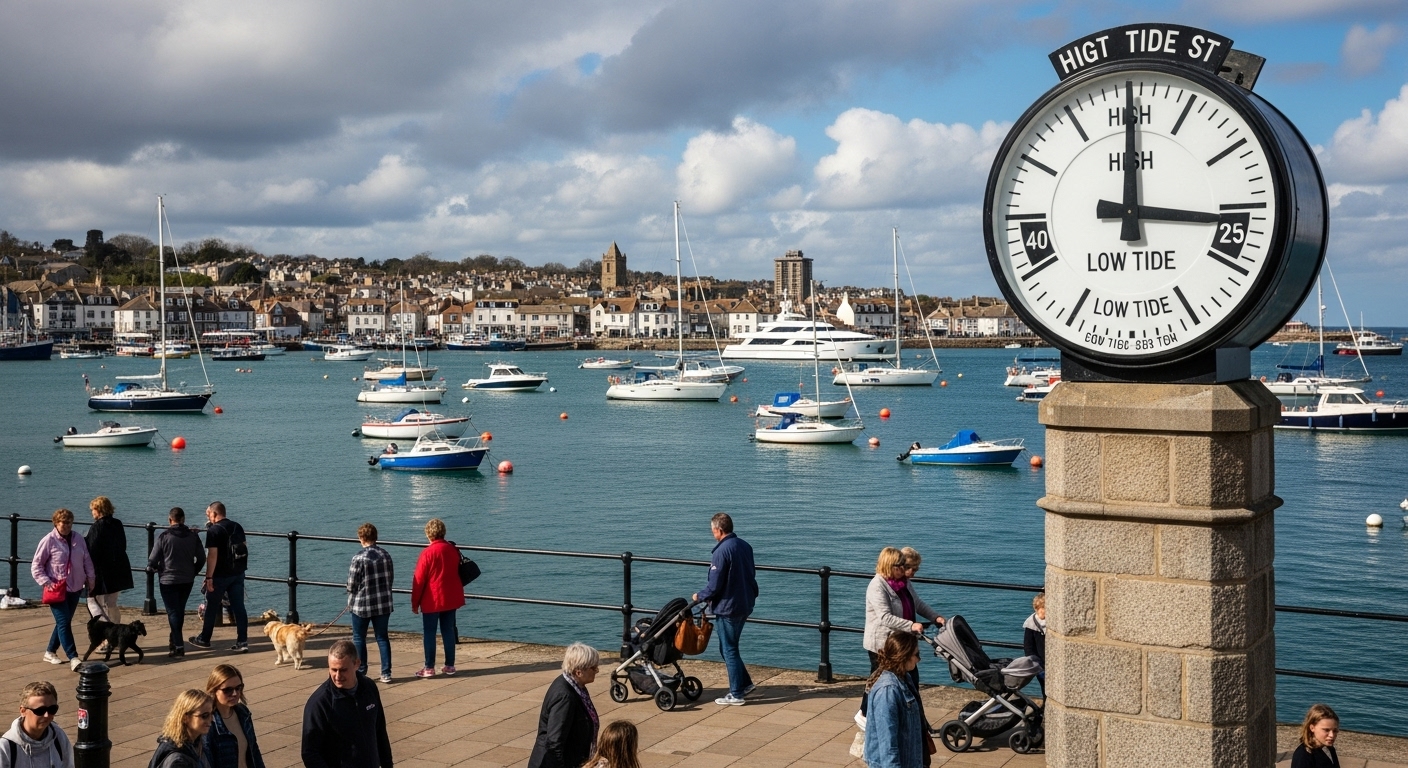
Tide clocks and sea-level artworks are not merely aesthetic; they are vital tools in cities where rising sea levels, coastal flooding, and climate change are pressing concerns. Imagine walking along a city promenade, seeing a tide clock display the next high tide, or encountering a sculpture showing how the ocean level has changed over decades. These installations turn abstract climate data into tangible, everyday experiences for locals and tourists alike.
The Concept Behind Tide Clocks and Sea-Level Art
Tide clocks operate on the natural rhythm of the moon and tides, often deviating from standard 24-hour clocks. In coastal cities, they provide crucial information for navigation, fishing, and coastal activities. Sea-level art, meanwhile, translates scientific data into public displays—murals, sculptures, or interactive exhibits—that visualize water levels and environmental change over time.
By integrating tide clocks and sea-level art into urban spaces, cities create a fusion of education and aesthetics. People encounter climate awareness not through lectures but through immersive experiences that show them the immediate effects of tides and rising sea levels. Do you think art can influence public behavior about climate change more effectively than statistics?
Iconic Examples Around the World
Several cities have become renowned for their innovative tide clocks and sea-level art. Let’s explore a few examples:
- San Francisco, USA: Along the Embarcadero, the city has installed public tide clocks alongside interactive artworks that indicate historical and projected sea levels. Visitors can learn about the Golden Gate’s tidal patterns while enjoying waterfront walks. More details can be found on San Francisco Travel.
- Amsterdam, Netherlands: Known for its canal systems and water management expertise, Amsterdam features tide-informed public art in riverside squares and urban parks. Art installations like water-level sculptures reflect the city’s history with floods and reclamation projects.
- London, UK: The Thames Barrier area and riverside exhibits showcase both functional tide clocks and sea-level markers, providing context for urban flood defenses. Visit Visit London for more insights into these installations.
- Venice, Italy: Venice combines historical flood awareness with modern art. While gondolas float through canals, public art displays and tide indicators mark the changing levels of acqua alta, helping residents and tourists navigate safely.
- Tokyo, Japan: Coastal areas like Odaiba incorporate artistic tide markers and information boards along promenades, blending science, public art, and urban recreation. Travelers can explore more through Go Tokyo.

Why Cities Are Investing in Tide Clocks and Sea-Level Art
Why is this trend growing worldwide? The reasons are both practical and cultural:
- Climate Awareness: Sea-level art conveys the urgency of rising tides and climate change in a format that is visible and engaging.
- Urban Planning: Tide clocks help coastal communities monitor water levels for navigation, safety, and infrastructure planning.
- Tourism & Education: Interactive exhibits attract visitors and provide learning opportunities for children and adults alike.
- Artistic Expression: Cities gain culturally rich public spaces where scientific information meets creative expression.
Do you think other cities should adopt tide clocks and sea-level art to raise climate awareness? How would you interact with such installations if they were in your hometown?
Community Engagement and Educational Value
Cities with tide clocks and sea-level art often involve local communities, schools, and universities in creating and maintaining installations. Educational programs may include workshops, guided tours, and citizen science projects, allowing residents to track tides and historical water data while contributing to community knowledge.
For instance, students in San Francisco participate in measuring tide variations and visualizing them through murals or digital art. These efforts make learning interactive and demonstrate the real-life implications of climate science. Platforms like National Geographic Environment highlight similar projects globally.

Challenges and Considerations
Despite their appeal, tide clocks and sea-level art face challenges:
- Maintenance: Weather exposure and vandalism can damage outdoor displays.
- Accuracy: Tide clocks require regular calibration to reflect precise tidal data.
- Integration: Combining functional scientific instruments with aesthetically appealing public art requires collaboration between engineers, artists, and urban planners.
Yet, when properly managed, these installations provide invaluable benefits, blending public utility with creativity and awareness.
The Future of Tide Clocks and Sea-Level Art
Looking forward, the future of cities with tide clocks and sea-level art is promising. Smart technologies, augmented reality, and real-time water monitoring systems can enhance visitor experiences. Imagine a city promenade where you check a digital tide clock, then scan QR codes on art installations to see historical water levels and predictions for the future.
Urban planners are increasingly recognizing that public art can be more than decorative—it can inform, educate, and inspire action. Tide clocks and sea-level art illustrate the tangible effects of climate change, bridging the gap between scientific data and everyday life.
Would you like to visit a city where you can literally see and understand how the ocean shapes urban life? Share your thoughts in the comments below!
Follow WentWorld.com on social media for more stories about cities where culture, science, and art intersect in extraordinary ways.
Catch up on the top stories and travel deals by subscribing to our newsletter!