Boat-in campsites offer one of the purest forms of escape left in modern travel. Not only are there no roads or parking lots, but there is also no background noise—just water, sky, and the gentle sound of your boat settling into stillness. When you moor for the night and wake with sunlight dancing across the surface of a lake or bay, the world feels slower, quieter, and more intentional. Indeed, these moments are exactly why water-based camping has become a bucket-list experience for adventurers.
Unlike traditional camping, where accessibility often brings crowds, boat-in campsites require effort and intention. You have to navigate, you have to plan, and only then do you arrive by water. Consequently, your arrival feels earned and special. Have you ever noticed how silence feels deeper when it surrounds you from every direction?
In this WentWorld.com guide, we explore the magic of boat-in campsites, places where you sleep cradled by water and wake to reflections instead of roads. Moreover, we will cover why these campsites matter, where to find them, how to prepare, and what makes them emotionally unforgettable. If you have ever dreamed of waking up already immersed in nature, this is where that dream becomes reality.
What Makes Boat-in Campsites So Different
Boat-in campsites are exactly what they sound like: campsites that can only be accessed by water. There are no trails leading in, no shortcuts, and no accidental visitors. Therefore, this limitation creates something rare—privacy without fences. Furthermore, it gives you the chance to experience nature uninterrupted.
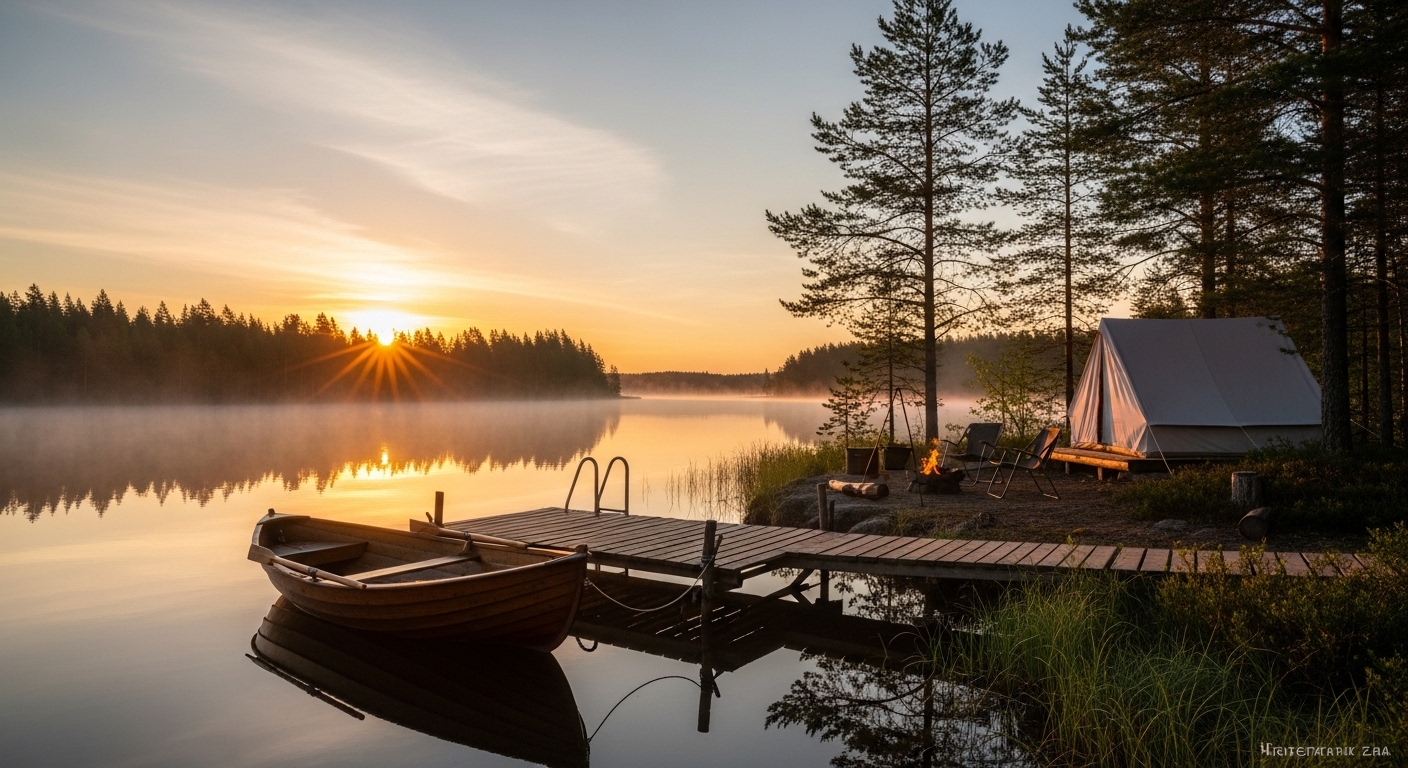
When you arrive at a boat-in campsite, you are often greeted by a small dock, a shoreline clearing, or a designated mooring point. Beyond that, nature dominates. The water becomes part of your campsite, not just scenery, but a living presence. In addition, the psychological shift of being removed from roads and cars makes you more present. Do you think that distance from convenience enhances the value of an experience?
The Sensory Experience of Sleeping on the Water
Sleeping at a boat-in campsite feels fundamentally different from sleeping on land. Moreover, the subtle motion of water, even when barely noticeable, changes how your body relaxes. Many travelers describe deeper sleep, broken only by natural sounds such as loons calling or fish breaking the surface. Indeed, these sounds replace the typical urban or suburban noises we are used to.
At night, reflections multiply. Stars appear twice, once above and once below. Campfires flicker across the water’s surface, creating moving light patterns that feel almost hypnotic. Furthermore, it is in these moments that you realize how rarely we experience darkness without artificial glow. Have you ever fallen asleep listening to water instead of traffic? Once you do, it becomes hard to forget.

Waking Up Already in the Landscape
One of the greatest gifts of boat-in campsites is waking up already inside the experience. Indeed, there is no packing the car, no driving to a viewpoint, and no crowds arriving after breakfast. You simply open your eyes, and the world is already there.
Morning light on water is softer and more reflective. Often, mist hovers just above the surface, blurring the line between sky and lake. Birds move before people do, and coffee tastes better when brewed with your feet near the water’s edge. Consequently, boat-in campsites turn mornings into events rather than routines. How often do you allow yourself to start the day without rushing?
Iconic Boat-in Campsites Around the World
Boat-in camping exists across continents, quietly tucked into protected waters and remote coastlines. These locations are often managed carefully to preserve solitude. For instance, in the United States, Voyageurs National Park in Minnesota is a classic example. Accessible almost entirely by water, the park features hundreds of boat-in campsites scattered across interconnected lakes. According to nps.gov, water travel is not optional here; it is the foundation of the experience.
In Canada, Georgian Bay offers boat-in camping among granite islands and clear freshwater. Furthermore, Parks Canada, through parks.canada.ca, emphasizes low-impact camping practices that help protect this fragile ecosystem. Similarly, Scandinavia provides remarkable opportunities. In Sweden’s archipelagos, paddlers and sailors can moor near designated natural campsites, guided by the country’s long-standing respect for public access and environmental care.
Coastal vs Inland Boat-in Campsites
Not all boat-in campsites feel the same. Inland sites, often found on lakes and rivers, tend to be calmer and more predictable. Water levels change slowly, and winds are usually manageable. Therefore, these sites are ideal for beginners or those seeking deep stillness.
Coastal boat-in campsites, on the other hand, come with tides, salt air, and a sense of exposure. You fall asleep to waves instead of ripples, and sunrises and sunsets feel larger and more dramatic. Places like the Sea of Cortez or Australia’s Whitsunday Islands offer marine-based camping experiences that feel almost cinematic. Would you prefer the quiet rhythm of a lake or the open energy of the sea?
Preparing for a Boat-in Camping Experience
Boat-in campsites reward preparation. Because you cannot drive in supplies, everything you bring must be planned carefully. Water, food, shelter, and safety equipment all matter more when help is not close by. In addition, navigation is key. Even experienced boaters rely on updated charts and weather forecasts. For instance, organizations like NOAA provide marine weather information that can make the difference between a peaceful night and a challenging one.
Lightweight, waterproof gear becomes essential. Moreover, travelers often find that simplifying their setup enhances the experience. When you bring less, you notice more.
Environmental Responsibility on the Water
Boat-in campsites often exist in sensitive environments. Shorelines, aquatic plants, and wildlife can all be affected by careless behavior. That is why many parks enforce strict guidelines around waste disposal, anchoring, and fire use. In addition, groups like Leave No Trace emphasize principles that are especially important on water.
Anchoring away from vegetation, using established mooring points, and packing out all waste help preserve these places. Consequently, responsible travel ensures that boat-in campsites remain wild rather than worn. Do you think true adventure comes with a responsibility to protect what we explore?

Why Boat-in Campsites Feel Emotionally Restorative
There is something deeply grounding about water. Boat-in campsites combine this natural calming effect with isolation and effort, creating an experience that feels earned rather than consumed. Furthermore, without easy exits or constant connectivity, your attention shifts inward. Conversations deepen, silence feels comfortable, and even boredom becomes productive, making room for reflection.
Many travelers return from boat-in camping feeling mentally lighter, as if the water carried away more than just sound. Have you ever returned from a trip feeling genuinely reset?
Who Boat-in Campsites Are For
Boat-in campsites are not about traditional luxury, but they offer something rarer. They are for travelers who value experience over convenience and presence over productivity. You do not need to be an expert sailor; kayakers, canoeists, and paddleboarders all find ways to access these sites. What matters most is curiosity and respect for the environment.
If you enjoy slow mornings, quiet nights, and landscapes that unfold gradually, boat-in campsites may change how you think about travel. Moreover, these sites help you reconnect with natural rhythms in ways that are increasingly rare.
The Future of Water-Based Camping
As overland destinations grow crowded, interest in water-based travel continues to rise. Consequently, boat-in campsites offer a sustainable alternative, distributing visitors across waterways rather than concentrating them along roads. However, popularity brings responsibility. Careful management, education, and traveler awareness will determine whether these experiences remain special or become strained.
WentWorld.com believes that the future of travel lies in experiences that reconnect us with nature’s rhythms. Boat-in campsites do exactly that, one quiet morning at a time. We would love to hear from you. Have you ever stayed at a boat-in campsite, or is it something you hope to try? What draws you most: the isolation, the water, or the way mornings unfold?
If stories like this inspire your sense of exploration, follow WentWorld.com on our social media platforms and continue discovering journeys that move at nature’s pace.
Catch up on the top stories and travel deals by subscribing to our newsletter!