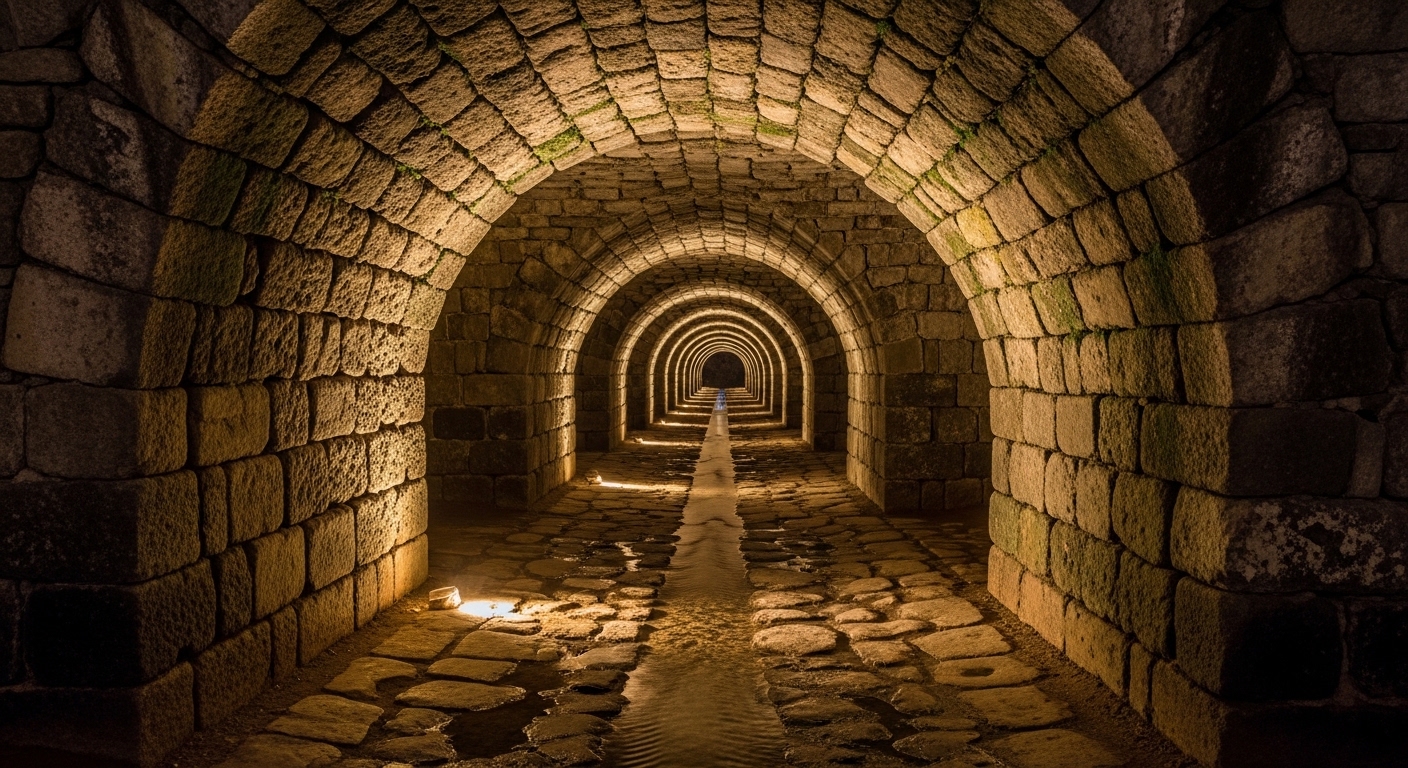
Imagine walking through centuries-old tunnels beneath the ground, where every step echoes with the history of ancient civilizations. Ancient water tunnels you can walk (guided) offer a rare opportunity to explore the ingenuity, engineering, and culture of past societies while experiencing a sense of adventure few modern attractions can match. These subterranean marvels, often forgotten for decades or even centuries, are now being opened to the public with guided tours that reveal how water shaped cities, agriculture, and human life.
From Roman aqueducts to medieval cisterns, water tunnels have long been essential to human settlements. Today, walking through them offers insight into engineering prowess, historical significance, and cultural context. Whether you are a history buff, architecture enthusiast, or just looking for a unique adventure, guided tours of ancient water tunnels allow you to connect with history in a way that’s both immersive and tangible.
The Significance of Ancient Water Tunnels
Water tunnels, aqueducts, and underground channels were built to transport, store, and manage water. In cities like Rome, Istanbul, and Paris, water tunnels were the lifeblood of urban life, supplying drinking water, irrigation, and sanitation. Many of these tunnels were engineered with precision, using techniques that are still studied by modern architects and engineers.
Walking through these tunnels provides a glimpse into the challenges our ancestors faced in securing water. It also demonstrates their ingenuity: from waterproofing techniques to gravity-based water flow systems, these tunnels were remarkable feats of engineering. Guided tours highlight these innovations, making the experience educational as well as thrilling.
Why Guided Tours Make All the Difference
While some tunnels can be accessed independently, guided tours provide context, safety, and storytelling. Knowledgeable guides share historical facts, architectural insights, and anecdotes that transform a simple walk into a journey through time. In addition, many tunnels are structurally fragile or have restricted areas that require careful navigation—guides ensure visitors experience them safely.
For example, in Istanbul’s Basilica Cistern, guides explain how the massive underground chamber supported the city’s water supply for over 1,500 years. In France, the Aquaeducts of Pont du Gard feature walkways where guides reveal the engineering secrets behind Roman hydraulic systems. These guided experiences make history accessible and memorable.

Top Ancient Water Tunnels You Can Walk (Guided)
Here are some of the most fascinating ancient water tunnels you can walk (guided) around the world:
- Basilica Cistern, Istanbul, Turkey: This vast subterranean reservoir, built in the 6th century, features columns and vaulted ceilings. Guided tours showcase the architectural ingenuity and cultural significance. More information can be found at Istanbul Tourism.
- Pont du Gard Aqueduct, France: Roman engineers constructed this aqueduct to carry water across the Gardon River. Walking paths allow visitors to experience the engineering marvel up close, guided by experts in Roman history.
- Hezekiah’s Tunnel, Jerusalem: An ancient water channel carved through solid rock, dating back to the 8th century BCE. Guided tours allow you to wade through cool waters while learning about biblical and historical context.
- Segovia Aqueduct, Spain: Though much of it is above ground, guided tours include exploration of subterranean channels that supplied water to the city centuries ago. Visit Spain Tourism for details.
- Edinburgh’s Underground Vaults, Scotland: While not strictly aqueducts, some vaulted chambers were historically used for water storage. Guided tours highlight urban history and water management practices.
- Chicago Tunnel System, USA: Built for utility and water management, guided tours explore historical engineering solutions below the modern city streets.
What You’ll Experience on These Tours
Walking through ancient water tunnels is a multi-sensory experience:
- Visual Awe: Architectural details, vaulted ceilings, stonework, and arches.
- Auditory Experience: Echoes of dripping water, footsteps, and distant voices create an immersive atmosphere.
- Physical Engagement: Some tunnels require wading, crouching, or navigating narrow passages, adding an element of adventure.
- Educational Insight: Guides share historical facts, cultural stories, and engineering explanations that transform the experience into a learning journey.
Have you ever imagined stepping into a space where history literally surrounds you on all sides? Guided tours make that possible safely and meaningfully.

Tips for Visiting Ancient Water Tunnels
To make the most of your experience with ancient water tunnels you can walk (guided), consider these tips:
- Check tour availability and book in advance; some tunnels have limited access.
- Wear waterproof shoes or boots; many tunnels have shallow water or damp floors.
- Bring a flashlight if permitted, although most guided tours provide lighting.
- Follow the guide’s instructions carefully, especially in fragile or narrow areas.
- Bring a camera, but ensure photography is allowed; some historic sites restrict it.
- Read up on the history beforehand to enhance your experience during the tour.
The Cultural and Educational Value
Guided walks through ancient water tunnels are more than adventures—they are educational experiences that connect you with the past. Visitors gain insights into:
- Historical water management techniques and urban planning.
- Engineering innovations in construction, waterproofing, and architecture.
- Cultural practices, religious significance, and community life around water.
- The challenges our ancestors faced and how they solved them creatively.
By combining education with exploration, these tours foster a deep appreciation for the ingenuity and perseverance of past civilizations.
Future Prospects and Preservation
Many ancient water tunnels face preservation challenges due to age, environmental factors, and urban development. Guided tours not only provide public access but also help generate awareness and funding for conservation. Cities like Istanbul, Rome, and Paris are increasingly investing in maintenance programs to ensure these tunnels can be safely enjoyed for generations to come.
Would you support visiting historic water tunnels if part of the tour fees went toward preservation and educational programs?
Walking through ancient water tunnels is a unique way to connect with history, architecture, and human ingenuity. Guided tours make these hidden underground worlds accessible, informative, and thrilling.
Share your thoughts and favorite underground adventures in the comments below! Follow WentWorld.com on social media to explore more hidden historical gems around the globe.
Catch up on the top stories and travel deals by subscribing to our newsletter!