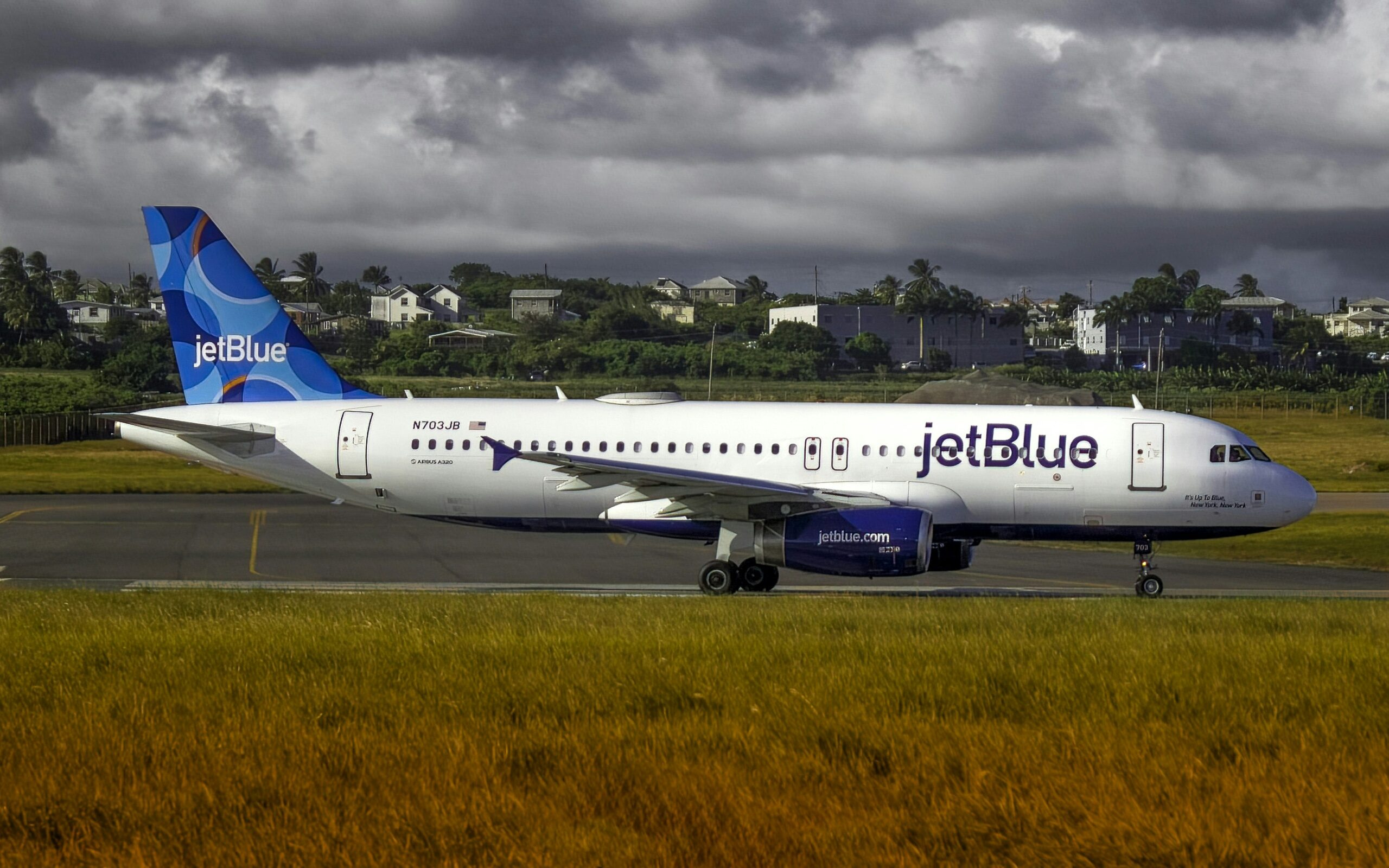
JetBlue faced an unusual runway incident that highlighted aviation safety realities. On March 24, 2026, JetBlue Flight 1129 encountered a coyote during takeoff from Rhode Island. The Airbus A320, heading toward New York, struck the animal at high speed. Consequently, the crew immediately followed strict safety protocols and aborted the climb.
Moreover, the pilots quickly controlled the aircraft and initiated a return procedure. The plane circled briefly and then landed safely for inspection. Ground teams rapidly assessed the aircraft for structural or mechanical issues. As a result, engineers confirmed full safety clearance without detecting damage. The flight then resumed operations and reached New York with a delay.
However, this JetBlue disruption affected passenger schedules and travel plans significantly. Many travelers missed onward connections due to the delay. Therefore, the event revealed how minor runway incidents can create larger network disruptions. Modern aviation relies on tight scheduling, so even short delays create ripple effects.
Furthermore, this situation highlights increasing wildlife risks near expanding airport zones. Urban growth continues to push animals toward active runways and taxiways. While bird strikes remain common, ground animals introduce different safety concerns. Aircraft components face risks during high-speed ground movement, especially during takeoff.
Meanwhile, JetBlue demonstrated strong operational discipline through immediate action and efficient recovery. Safety teams ensured rapid inspection, which minimized downtime effectively. Aircraft design also played a crucial role in absorbing impact forces without failure. These factors together reinforced confidence in aviation systems and procedures.
Additionally, the incident emphasized the importance of proactive wildlife management at airports. Authorities must strengthen monitoring systems and deterrent strategies around airfields. Effective coordination between aviation teams and environmental agencies can reduce such encounters.
Ultimately, this JetBlue episode showed how aviation balances technology with unpredictable natural elements. The system protected passengers while maintaining operational continuity. Although the delay caused inconvenience, safety measures proved effective and necessary.
Related stories:
Catch up on the top stories and travel deals by subscribing to our newsletter!