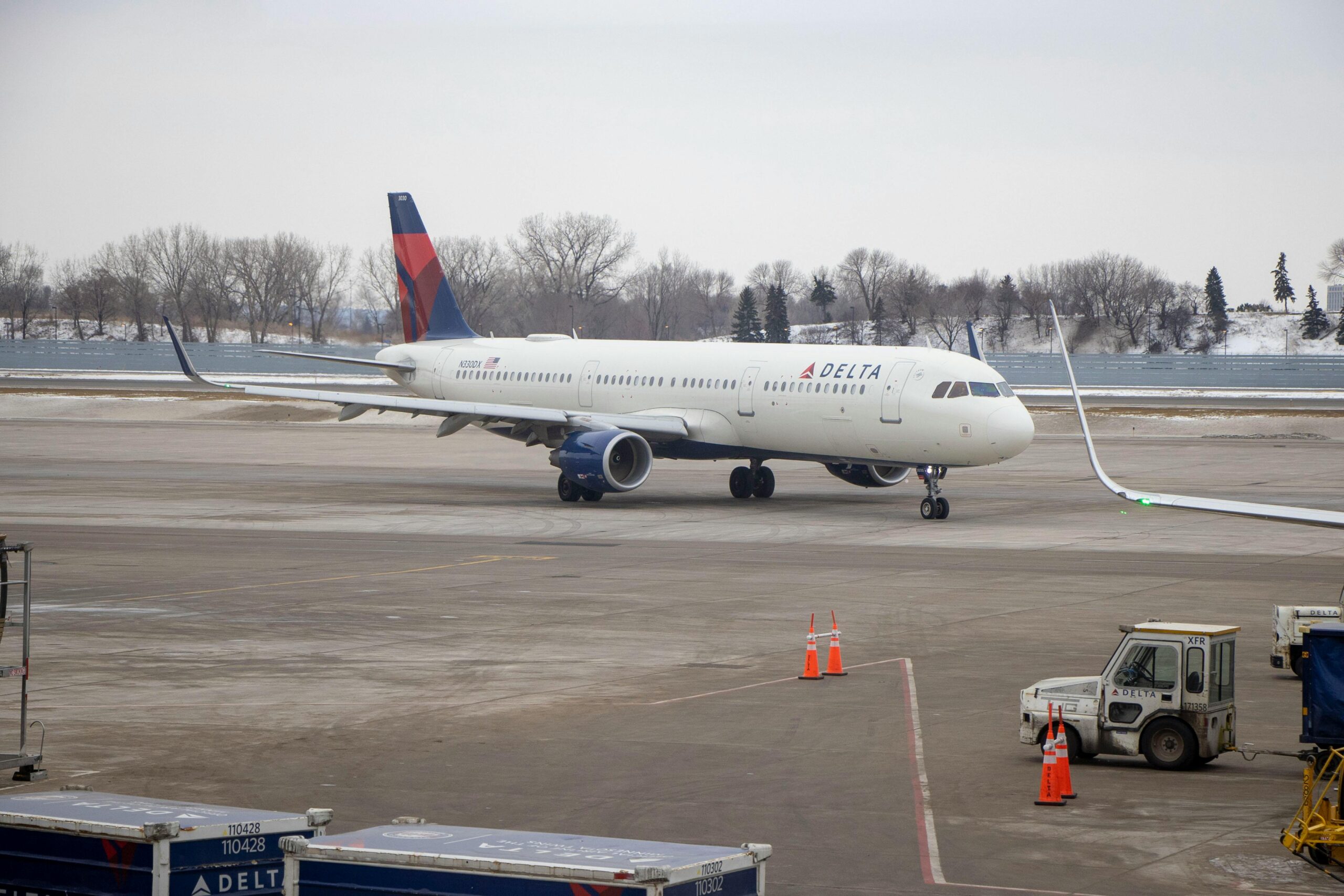
Delta Air Lines faces severe disruption across its largest hub in Atlanta. Additionally, Delta Air Lines struggles as staffing shortages disrupt airport security operations. Consequently, passengers encounter extreme delays that disrupt travel plans across the United States.
Moreover, the ongoing government shutdown intensifies pressure on airport systems and workforce availability. Therefore, reduced staffing levels create long security lines that stretch across terminal areas. As a result, passengers wait several hours before clearing checkpoints and reaching departure gates.
Furthermore, early arrivals fail to secure timely boarding despite extended airport presence. Consequently, crowded terminals create stress for both leisure and business travelers. Meanwhile, airport authorities attempt to manage congestion through additional operational support measures.
Additionally, federal agencies deploy extra personnel to control growing passenger movement inside terminals. Therefore, authorities aim to restore order and improve passenger flow through security zones. As a result, temporary solutions attempt to stabilize operations during peak congestion periods.
Meanwhile, Delta Air Lines records high flight cancellations across its network during this crisis. Consequently, regional carriers also cancel flights, which worsens travel disruptions across multiple routes. Furthermore, delays at major airports create ripple effects across the national aviation network.
In addition, airports like New York’s LaGuardia experience operational strain due to network congestion. Therefore, passengers across the country face uncertainty regarding schedules and connecting flights. As a result, airlines struggle to maintain consistent service during ongoing operational pressure.
Meanwhile, the travel industry demands immediate action to address staffing shortages and restore efficiency. Consequently, authorities must resolve workforce gaps to ensure smoother airport operations nationwide. Furthermore, continued disruption highlights vulnerabilities within critical travel infrastructure systems.
Therefore, travelers must prepare carefully and monitor updates before heading to airports. Additionally, passengers should plan extra time for security clearance and boarding procedures. As a result, proactive planning helps reduce stress during uncertain travel conditions.
Finally, Delta Air Lines continues efforts to manage disruptions while maintaining operational stability. Meanwhile, the Atlanta crisis highlights broader challenges affecting the entire aviation sector. Consequently, travelers should expect ongoing delays until authorities resolve staffing and operational issues.
Related stories:
Catch up on the top stories and travel deals by subscribing to our newsletter!