
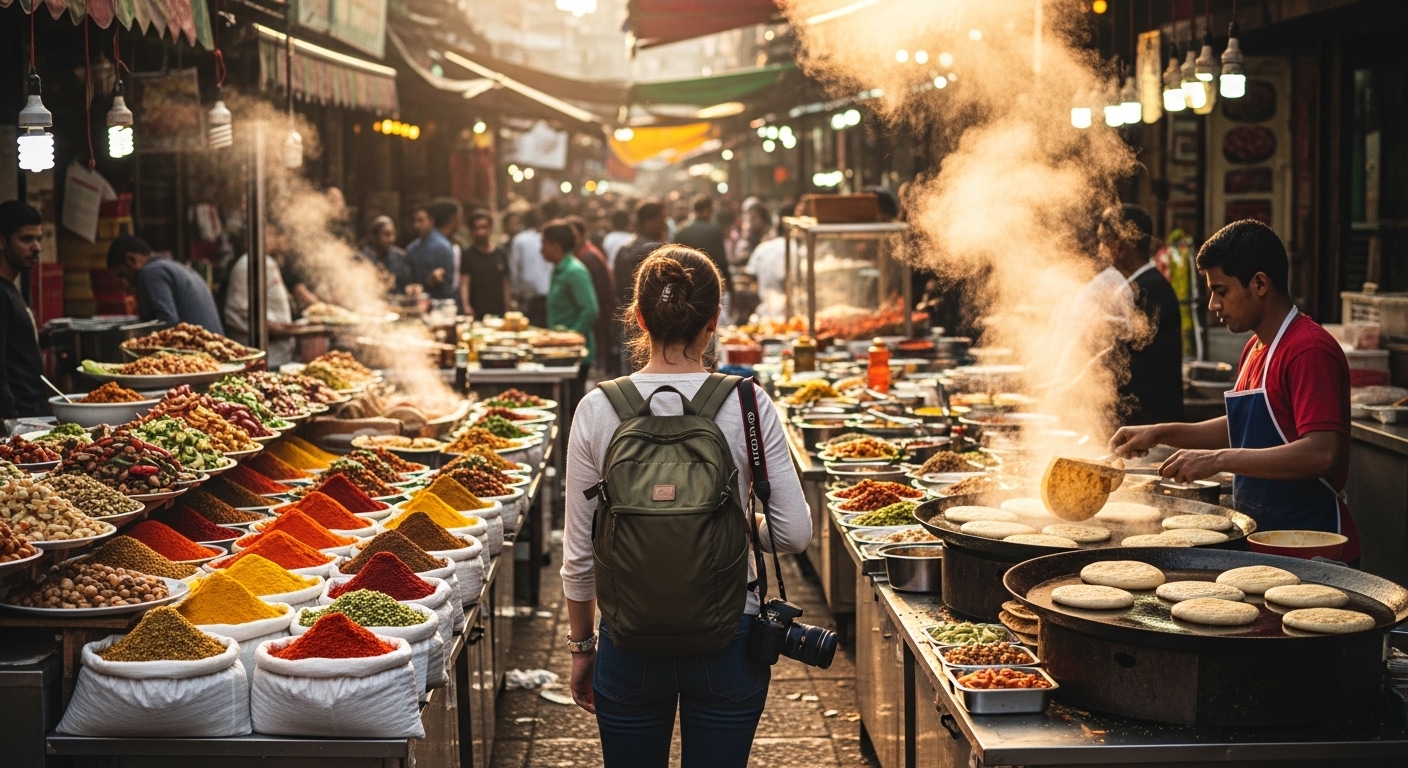
Food has always been one of the strongest reasons people travel. A single dish can tell stories about history, traditions, climate, and generations of culture. That is why more travelers today are building entire vacations around cultural food trails. Instead of simply visiting famous landmarks, they are exploring cities, villages, and regions through flavors, recipes, and local dining traditions.
If you have ever planned a trip mainly because you wanted to try authentic pasta in Italy, street food in Thailand, or barbecue in Texas, then you already understand the magic of cultural food trails. Food-focused travel creates deeper memories because it connects all your senses to a destination.
But how exactly do you plan a successful culinary journey? How do you avoid tourist traps and discover genuine local flavors? This guide will help you design an unforgettable trip filled with authentic meals, local experiences, and cultural discoveries.
Why Cultural Food Trails Are Transforming Travel
Travel has changed dramatically over the years. Many people no longer want rushed itineraries packed with endless sightseeing. Instead, they want meaningful experiences. This is why cultural food trails are becoming one of the fastest-growing travel trends worldwide.
Food creates emotional connections. A family-run restaurant in a quiet alley can become more memorable than a crowded tourist attraction. Cooking with locals can teach you more about a culture than reading any guidebook.
Travelers are now choosing destinations based on cuisine. Some visit Japan for ramen, others travel to Mexico for tacos, while many head to France for pastries and wine. Food becomes the heart of the journey.

Start With a Destination Famous for Food Culture
The first step in planning cultural food trails is choosing the right destination. Some places naturally offer richer culinary experiences because food plays a central role in local identity.
Italy remains one of the most popular options. Regions like Tuscany, Naples, and Sicily each have completely different food traditions. Travelers can explore handmade pasta, wood-fired pizza, and fresh seafood while enjoying local hospitality.
Japan offers another incredible culinary journey. Tokyo alone has more Michelin-starred restaurants than many countries combined. Yet some of the best meals come from small family-owned ramen shops and sushi counters.
Thailand is ideal for travelers who love street food. Bangkok’s night markets provide endless opportunities to try authentic dishes at affordable prices.
Websites like Michelin Guide and Lonely Planet can help travelers research food-focused destinations before booking.
Research Regional Specialties Before You Travel
One of the biggest mistakes travelers make is assuming a country has only one type of cuisine. In reality, every region often has unique ingredients, cooking styles, and traditions.
This is especially important when planning cultural food trails. For example, northern Italy focuses heavily on creamy risottos and butter-based dishes, while southern Italy favors olive oil, tomatoes, and seafood.
In India, Punjabi cuisine differs dramatically from South Indian food. Mexico’s Oaxaca region is famous for mole sauces, while Yucatán cuisine features tropical flavors and Mayan influences.
Spend time researching regional dishes before your trip. Create a list of foods you genuinely want to try. This makes your culinary journey more intentional and exciting.
Build Your Itinerary Around Food Experiences
Once you understand the local cuisine, begin designing your itinerary around specific food experiences. This is the true essence of cultural food trails.
Instead of booking random restaurants, organize your days based on culinary exploration. You could start the morning at a traditional bakery, spend the afternoon in a local market, and end the evening at a family-owned restaurant.
Many destinations now offer guided food tours. Companies like Eating Europe provide curated experiences that introduce travelers to hidden culinary gems.
Cooking classes are another fantastic addition. Learning how to prepare local dishes helps travelers understand ingredients, techniques, and traditions more deeply.
Would you rather just eat local food—or actually learn how locals create it?
Visit Local Markets for Authentic Experiences
No cultural food trails experience is complete without visiting local markets. Markets reveal the true heartbeat of a destination’s food culture.
In cities like Marrakech, Istanbul, and Bangkok, markets overflow with spices, fresh produce, grilled meats, and handmade snacks. The sights, sounds, and aromas create unforgettable memories.
Local markets also help travelers avoid tourist-focused dining spots. Vendors and shoppers often know where the best authentic restaurants are located.
Some of the most meaningful travel moments happen while simply walking through crowded food markets and talking with local sellers.
Do Not Ignore Small Villages and Rural Areas
Major cities often receive most of the attention, but rural communities sometimes offer the most authentic cultural food trails experiences.
Small villages preserve traditional cooking methods that larger cities may slowly lose. Homemade recipes passed down for generations still thrive in these places.
In rural Greece, families prepare meals using vegetables from their gardens and olive oil produced locally. In Vietnam’s countryside, travelers can enjoy meals prepared with herbs harvested just hours earlier.
These experiences feel personal because they are personal.
Have you ever considered that the best meal of your life might come from a tiny village instead of a famous restaurant?
Learn Basic Food Phrases in the Local Language
Language can transform your food journey. Learning simple food-related phrases helps travelers connect with locals more easily during cultural food trails.
Knowing how to ask about ingredients, dietary preferences, or traditional dishes shows respect for local culture. It also creates opportunities for conversation.
Even basic phrases like “What do you recommend?” or “Is this homemade?” can lead to memorable interactions.
Locals often appreciate the effort and become more eager to share recommendations and stories.
Balance Famous Restaurants With Hidden Gems
Many travelers focus only on famous restaurants promoted on social media. While some are excellent, they should not dominate your entire trip.
The beauty of cultural food trails lies in balance. Enjoy popular restaurants, but also leave room for spontaneous discoveries.
Sometimes the best meals come from places with no online reviews, no influencers, and no polished branding.
Ask taxi drivers, market vendors, or local residents where they eat regularly. Their answers often lead to incredible experiences.
Use Technology Without Depending Entirely on It
Apps and online platforms are useful tools for planning cultural food trails. Google Maps, travel blogs, and review platforms help travelers identify restaurants and food experiences.
However, relying completely on ratings can limit discovery. Some amazing local restaurants have minimal online presence because they focus more on community than marketing.
Technology should guide your journey—not control it.
Consider Seasonal Food Festivals
Food festivals can elevate your trip dramatically. Many destinations host seasonal celebrations focused on local cuisine and agricultural traditions.
Events like Oktoberfest in Germany, truffle festivals in Italy, and cherry blossom food events in Japan attract travelers from around the world.
Organizations such as UNESCO also recognize many food traditions as important cultural heritage.
Planning your journey around these festivals creates richer and more immersive experiences.
Respect Local Dining Customs
Every culture has unique dining etiquette. Understanding these customs is an important part of enjoying cultural food trails.
In Japan, slurping noodles is acceptable and sometimes encouraged. In parts of the Middle East, meals are often shared communally. In Italy, cappuccino after lunch may confuse locals.
Learning these details demonstrates cultural respect and enhances your experience.
Travel becomes more meaningful when you participate thoughtfully instead of simply observing.
Document Your Culinary Journey
Food memories fade faster than photographs. Keep a journal during your trip. Write down restaurant names, dishes, conversations, and emotions.
Many travelers also create short videos or photo collections documenting their cultural food trails experiences.
These records become incredibly valuable later because they preserve moments that might otherwise disappear over time.

Budget Smartly for Food-Focused Travel
Planning cultural food trails does not always require luxury spending. Some of the world’s best culinary experiences are surprisingly affordable.
Street food in Southeast Asia, local bakeries in Europe, and market stalls in Latin America often provide incredible quality at low prices.
Instead of spending heavily on every meal, mix premium dining experiences with casual local spots. This creates variety while keeping your budget balanced.
Why Food Creates Stronger Travel Memories
Think about your favorite travel memories. There is a good chance food played an important role.
Meals create emotional moments because they combine taste, atmosphere, people, and storytelling. This is why cultural food trails feel more personal than ordinary tourism.
You do not just remember what you ate. You remember where you were, who you met, and how you felt.
That emotional connection is what transforms a trip into a lasting memory.
Making Your Culinary Journey More Sustainable
Sustainable tourism is becoming increasingly important. Travelers should support local communities whenever possible during cultural food trails.
Choose family-owned restaurants, local guides, and regional food producers. Avoid wasting food and respect local resources.
Supporting small businesses helps preserve culinary traditions for future generations.
Final Thoughts
Cultural food trails offer one of the most rewarding ways to experience the world. They turn travel into something deeper than sightseeing. Every meal becomes a story, every market becomes an adventure, and every conversation becomes part of the journey.
Whether you dream of eating fresh pasta in Italy, tasting street food in Thailand, or exploring traditional markets in Morocco, the possibilities are endless.
So where would your perfect culinary journey begin? Which destination’s flavors excite you the most?
Share your thoughts and favorite food travel experiences in the comments. Your recommendations could inspire fellow travelers to plan their own unforgettable adventures.
Follow WentWorld on social media for more travel inspiration, cultural guides, and unforgettable destination ideas from around the globe.
Catch up on the top stories and travel deals by subscribing to our newsletter!










Leave a Reply
You must be logged in to post a comment.