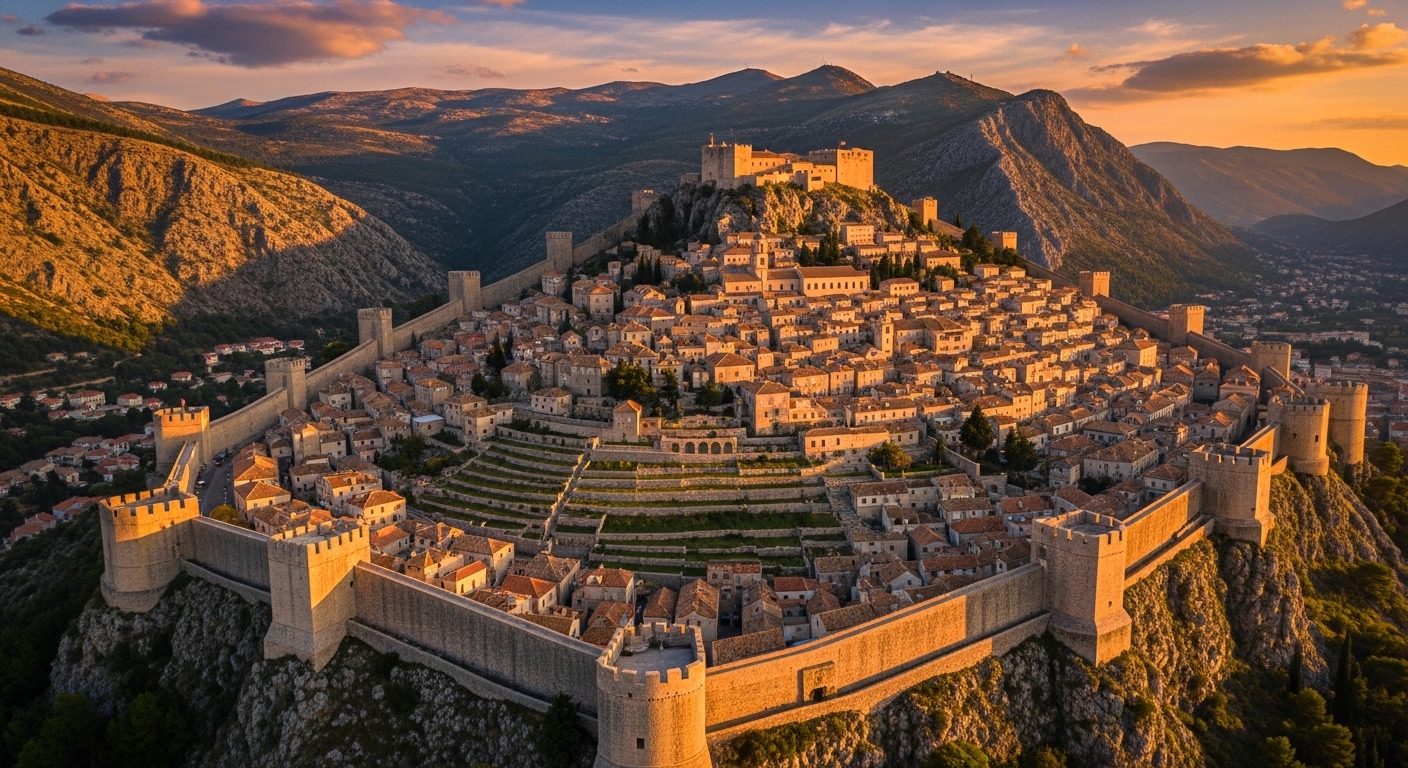
Modern travelers increasingly search for experiences that feel meaningful, educational, and emotionally powerful. Instead of focusing only on beaches or luxury resorts, many people now prefer destinations filled with history and cultural depth. That is why traveling through regions known for ancient fortified cities has become one of the most fascinating travel trends in recent years. These remarkable cities preserve centuries of human history while allowing visitors to experience architecture, traditions, and stories that shaped civilizations.
Across Europe, Asia, the Middle East, and North Africa, ancient fortified cities continue standing proudly behind enormous walls, guarded gates, and towering fortresses. Moreover, these destinations reveal how communities once defended themselves from invasions, protected trade routes, and preserved their culture during uncertain times. Walking through these cities often feels like entering a living history book.
Travelers exploring these regions quickly realize that fortified cities offer much more than beautiful scenery. Instead, they provide emotional and cultural experiences that modern attractions rarely deliver. Ancient streets, hidden tunnels, historic marketplaces, and defensive towers create unforgettable memories for visitors who enjoy discovering the past.
Have you ever imagined what life looked like inside a fortified city centuries ago? How did merchants trade goods behind protective walls? What did soldiers see while guarding massive towers overlooking valleys and coastlines? Exploring regions known for ancient fortified cities allows travelers to answer these questions while experiencing history firsthand.
Why Travelers Love Ancient Fortified Cities
Many travelers today seek destinations with authenticity and character. Consequently, ancient fortified cities have become incredibly popular among people who value culture, architecture, and storytelling. Unlike heavily commercialized tourist areas, these historic places preserve the atmosphere of earlier centuries.
Additionally, fortified cities offer a strong connection between past and present. In many locations, local residents still live inside centuries-old walls and continue traditions passed down through generations. Visitors can therefore experience authentic food, crafts, music, and community life while exploring historic surroundings.
Another reason travelers enjoy these destinations involves the incredible engineering behind ancient defenses. Massive walls, complex gates, hidden pathways, and elevated watchtowers demonstrate how advanced many civilizations became long before modern technology existed.
Furthermore, fortified cities often occupy breathtaking locations. Some overlook coastlines, while others stand beside mountains, rivers, or deserts. As a result, travelers enjoy both cultural exploration and spectacular natural scenery during the same journey.
The Historical Importance of Fortified Cities
Throughout history, rulers built fortified cities to protect populations, political power, and important trade routes. Since invasions and conflicts frequently threatened ancient civilizations, defensive walls became essential for survival.
In many regions, fortified cities developed near valuable trade networks such as the Silk Road or important maritime routes. Therefore, these cities often became centers of commerce, diplomacy, and cultural exchange. Merchants, travelers, and armies carried ideas, languages, food traditions, and technologies across continents.
Today, travelers visiting these destinations can still observe the influence of multiple civilizations within one city. Architectural styles, religious landmarks, and local customs often reveal centuries of interaction between cultures.
Organizations such as UNESCO World Heritage Centre continue supporting preservation projects to protect these historic sites. Because of these conservation efforts, future generations can continue experiencing regions known for ancient fortified cities.

Europe’s Most Remarkable Fortified Cities
Europe contains some of the world’s best-preserved fortified cities. Consequently, travelers interested in medieval architecture and historic travel often begin their journeys there.
Dubrovnik, Croatia
The coastal city of Dubrovnik remains one of Europe’s most iconic fortified destinations. Surrounded by enormous stone walls overlooking the Adriatic Sea, Dubrovnik combines natural beauty with rich historical significance.
Originally, the city served as an important maritime republic competing with Venice in trade and diplomacy. Today, visitors can walk along the ancient walls while enjoying spectacular views of the coastline and historic Old Town.
Besides its architecture, Dubrovnik also offers vibrant local culture. Travelers frequently discover traditional restaurants, historic churches, and lively marketplaces hidden within the city’s narrow streets.
Carcassonne, France
Southern France features another extraordinary fortified destination. Carcassonne impresses visitors with its double defensive walls, medieval towers, and ancient castle structures.
As travelers enter the city, they immediately feel transported into another era. Cobblestone streets, historic gates, and centuries-old buildings create a magical atmosphere throughout the fortified district.
Moreover, Carcassonne hosts festivals and historical events that bring medieval history to life. During these celebrations, visitors can watch performances, explore local crafts, and experience traditional French culture.
Kotor, Montenegro
The stunning fortified city of Kotor sits beside dramatic mountains and a beautiful bay along the Adriatic coast.
Unlike many historic cities, Kotor combines coastal scenery with medieval architecture in a truly unique way. Massive stone walls climb high above the city and provide breathtaking panoramic views.
Travelers arriving through Lufthansa or other major European airlines frequently include Kotor in broader Balkan itineraries because of its incredible charm and cultural heritage.
Ancient Fortified Cities Across Asia
Asia contains some of the world’s oldest and most culturally diverse fortified cities. Consequently, travelers exploring this region often encounter architectural styles and traditions shaped by powerful dynasties and ancient empires.
Xi’an, China
Xi’an remains famous for its enormous city walls, which still rank among the best-preserved ancient defenses in China.
Historically, Xi’an served as one of China’s most important capitals and the eastern gateway of the Silk Road. Because of this strategic position, the city became a center of trade and cultural exchange.
Today, travelers can cycle along the top of the ancient walls while exploring nearby temples, markets, and traditional neighborhoods. In addition, Xi’an offers remarkable food experiences influenced by centuries of multicultural interaction.
Jaipur, India
India’s Pink City provides another unforgettable experience for travelers interested in ancient fortified cities. Jaipur combines royal palaces, historic gates, and defensive walls with vibrant cultural traditions.
Nearby forts such as Amber Fort and Nahargarh Fort demonstrate the military strength and architectural brilliance of Rajasthan’s rulers. Furthermore, these locations offer incredible views across the surrounding landscapes.
Visitors traveling with Emirates frequently continue beyond India’s major cities to explore Rajasthan’s rich heritage and historic fortifications.
Himeji, Japan
Japan’s Himeji Castle remains one of the country’s greatest historical treasures. The elegant white fortress dominates the surrounding landscape and showcases advanced defensive planning from feudal Japan.
Interestingly, the castle’s maze-like pathways intentionally confused enemies attempting to attack the fortress. At the same time, hidden defensive systems protected residents and soldiers during conflicts.
Today, travelers admire both the beauty and historical significance of this remarkable site while learning about samurai culture and Japanese history.
Middle Eastern Regions Filled With Fortified Wonders
The Middle East contains many ancient fortified cities shaped by trade, religion, and empire-building. Because the region connected continents for centuries, its cities became culturally rich and historically important.
Jerusalem
The ancient walls of Jerusalem surround one of the world’s most historically significant cities.
As travelers walk through the city gates, they encounter sacred sites, historic neighborhoods, and marketplaces filled with centuries of history. Moreover, Jerusalem reflects the influence of multiple civilizations and faiths that shaped the city over thousands of years.
Aït Benhaddou, Morocco
This remarkable fortified village in Morocco stands beside desert landscapes and ancient trade routes.
Historically, Aït Benhaddou served as an important stopping point for traders crossing the Sahara Desert. Consequently, the village became an essential commercial and cultural center.
Today, travelers visit the site to admire its earthen clay architecture and cinematic beauty. Additionally, filmmakers frequently use the location because of its extraordinary appearance.
The Cultural Experiences Inside Fortified Cities
Traveling through regions known for ancient fortified cities involves much more than exploring walls and castles. In fact, these destinations remain culturally vibrant and deeply connected to local traditions.
Visitors often discover traditional food markets, artisan workshops, family-owned cafés, and musicians performing inside historic districts. As a result, travelers experience living culture rather than static museum exhibits.
Food also plays a major role in these journeys. Recipes inside fortified cities often reflect centuries of trade and migration. Therefore, travelers can taste unique flavors influenced by neighboring civilizations and ancient trade networks.
Festivals and cultural celebrations add even more energy to these destinations. During local events, communities organize historical reenactments, music performances, and craft exhibitions that bring history to life.
Photography Opportunities in Historic Fortified Cities
Ancient fortified cities provide endless inspiration for photographers and content creators.
Sunrise and sunset often create dramatic lighting conditions across stone walls, towers, and historic streets. Meanwhile, narrow alleyways and elevated viewpoints allow photographers to capture unique perspectives.
Travelers interested in photography frequently wake early to explore quiet streets before crowds arrive. In contrast, evening hours provide warm lighting that highlights architectural details beautifully.
Drone photography has also become increasingly popular in regions known for ancient fortified cities. However, travelers should always respect local regulations and heritage preservation guidelines.
How Fortified Cities Preserve Cultural Identity
Many historic cities face growing pressure from modernization and mass tourism. Nevertheless, local communities and preservation organizations continue working hard to protect their heritage.
Residents often restore historic buildings, preserve traditional crafts, and maintain family businesses that define the city’s identity. Because of these efforts, travelers can still experience authentic culture inside many fortified destinations.
Responsible tourism plays an important role as well. Travelers who support local restaurants, artisans, and guides contribute directly to cultural preservation and community development.

Helpful Tips for Exploring Ancient Fortified Cities
Wear Comfortable Shoes
Historic cities usually feature steep pathways, stone streets, and long walking routes. Therefore, comfortable footwear becomes essential for enjoyable exploration.
Research the History Before Visiting
Learning about a city’s history before arrival helps travelers appreciate its architecture and cultural significance much more deeply.
Visit During Early Morning or Evening
Morning and evening hours generally offer cooler temperatures, fewer crowds, and better photography conditions.
Respect Local Communities
Since many fortified cities remain active residential areas, travelers should always respect local customs and privacy.
Support Local Businesses
Buying handmade products and dining at local restaurants helps sustain the communities preserving these remarkable destinations.
The Emotional Power of Historic Travel
Traveling through regions known for ancient fortified cities often changes how people understand history and human civilization. Standing beside walls that survived invasions, wars, and centuries of change creates a powerful emotional connection to the past.
These remarkable places remind travelers that creativity, resilience, and community shaped societies long before the modern world existed. Furthermore, fortified cities demonstrate how architecture and culture can survive for generations when communities value preservation.
Many visitors also leave with a stronger appreciation for cultural heritage and historical storytelling. Instead of simply reading about history, travelers experience it directly through streets, buildings, and traditions that continue surviving today.
Have you ever explored a fortified city during your travels? Which destination impressed you the most? Would you prefer visiting a medieval city in Europe or an ancient fortress in Asia or the Middle East?
We would love to hear your stories and recommendations. Share your travel experiences and favorite historic destinations with fellow travelers.
If you enjoy discovering remarkable destinations filled with history, architecture, and culture, stay connected with WentWorld for more inspiring travel stories and unique destination guides from around the world.
Traveling through regions known for ancient fortified cities offers much more than sightseeing. Ultimately, it creates unforgettable memories, deeper cultural understanding, and a lasting appreciation for the civilizations that shaped our world.
Catch up on the top stories and travel deals by subscribing to our newsletter!