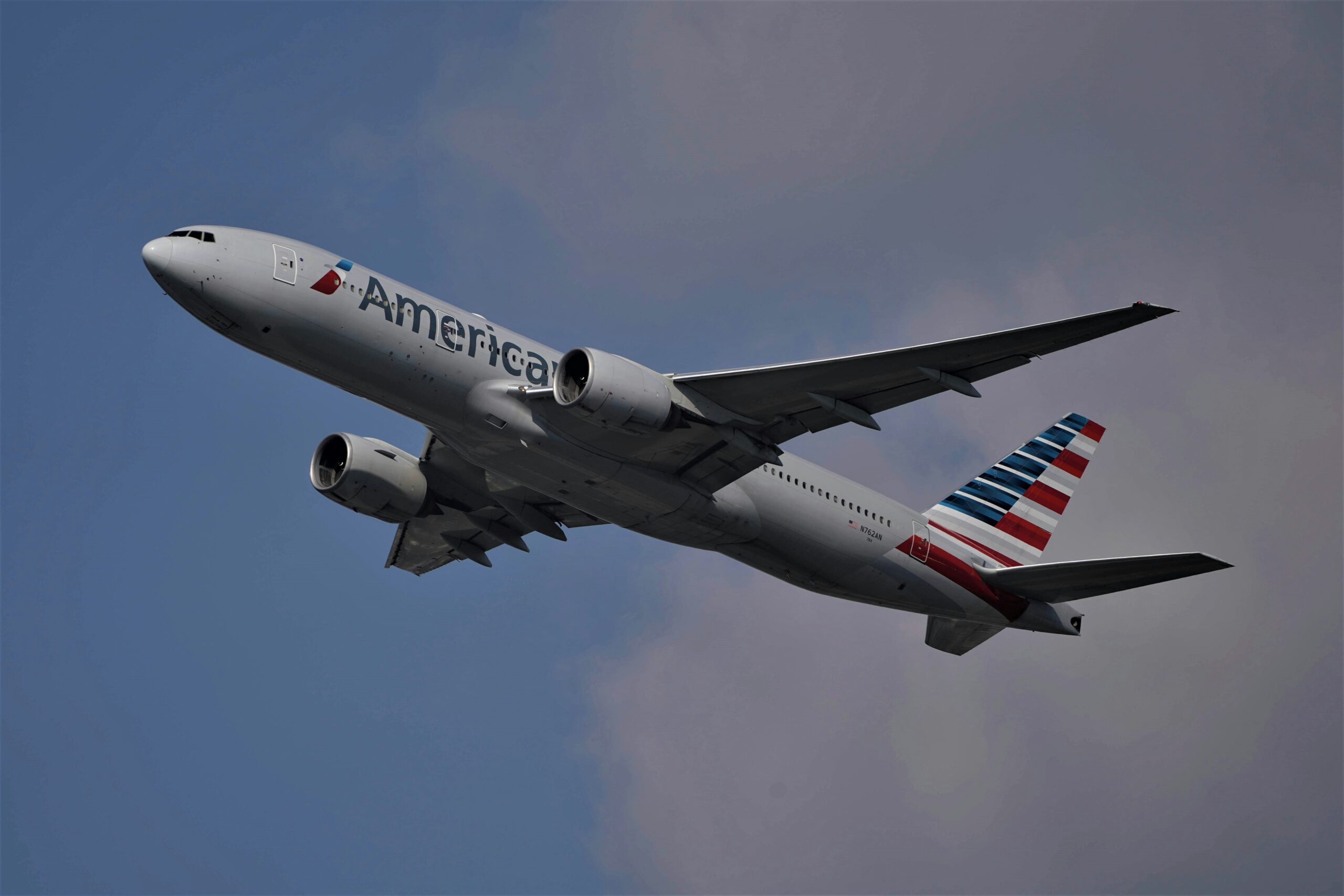
As American Airlines adjusts pricing, the airline now raises checked bag fees due to rising fuel costs. Moreover, as global fuel markets shift rapidly, American Airlines responds with higher charges across domestic and short-haul routes. Therefore, as travelers plan trips, these pricing changes directly affect overall travel budgets.
Furthermore, as part of the update, American Airlines increases first checked bag fees to $50 and second bag fees to $60. In addition, as passengers add more luggage, the airline now charges $200 for a third checked bag at airports. Consequently, as demand for travel grows, airlines continue adjusting pricing to protect margins.
Meanwhile, as digital adoption rises, American Airlines encourages passengers to prepay online or through its mobile app. As a result, travelers receive a $5 discount on the first and second checked bags. Additionally, as convenience improves, digital bookings now play a key role in reducing travel costs.
Similarly, as ticket structures evolve, American Airlines applies higher baggage fees to basic economy travelers purchasing tickets after mid-May. Therefore, as pricing tiers expand, these travelers now pay more unless they prepay in advance. However, as loyalty programs remain valuable, elite members and co-branded cardholders still receive complimentary baggage benefits.
At the same time, as competition intensifies, American Airlines aligns its strategy with other major carriers raising similar fees. Moreover, as airlines across North America react, several carriers increase baggage costs in recent weeks. Thus, as operating expenses climb, these adjustments reflect industry-wide pressure.
Notably, as global tensions disrupt supply chains, jet fuel prices surge sharply within months. Consequently, as costs jump from moderate levels to extreme highs, airlines face mounting financial pressure. Hence, airlines like American Airlines implement fee increases to offset rising operational expenses.
Ultimately, as the aviation industry adapts, American Airlines continues balancing profitability with customer expectations. In conclusion, as travelers adjust to higher costs, airlines focus on digital incentives and loyalty perks. Therefore, as market conditions evolve, pricing strategies will likely continue shifting in response to global fuel trends.
Related stories:
Catch up on the top stories and travel deals by subscribing to our newsletter!