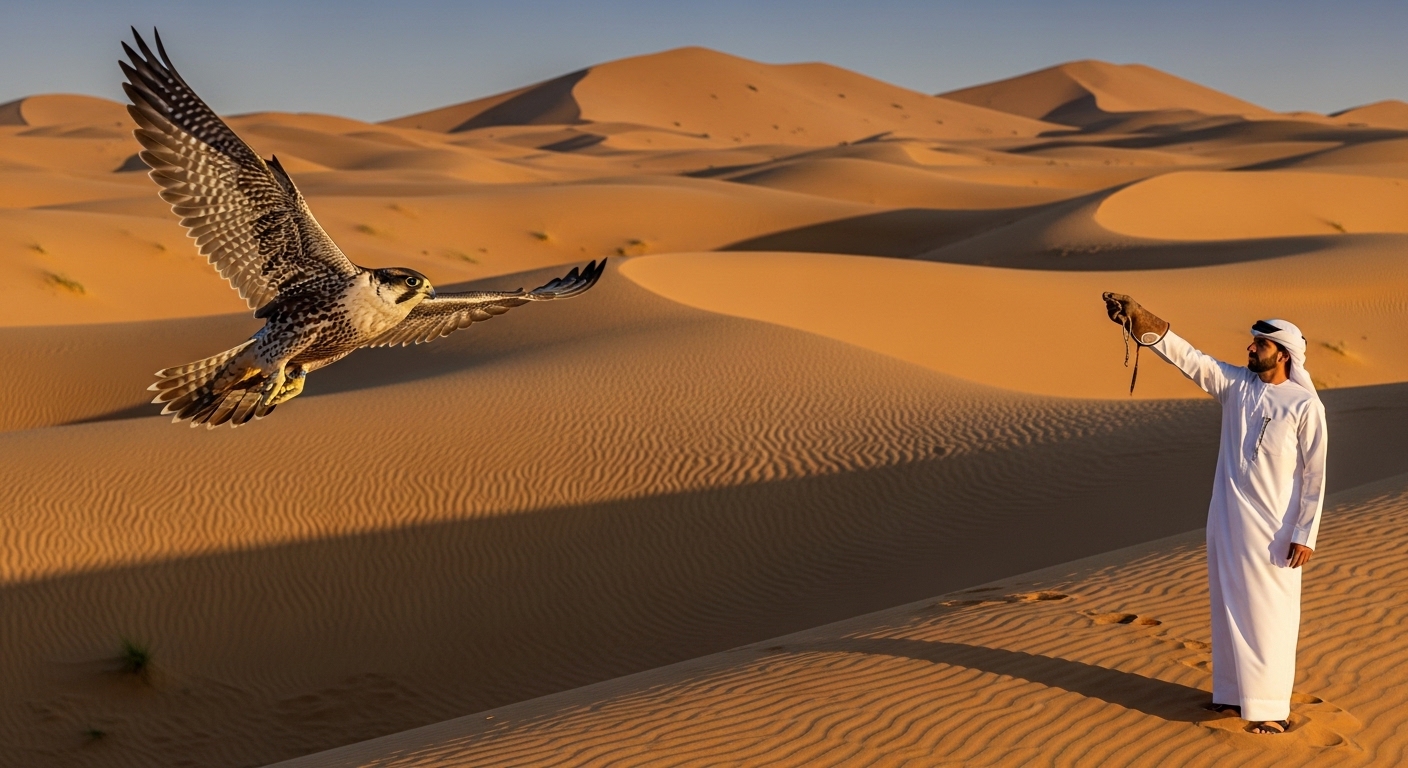
There are few travel experiences as powerful and unforgettable as witnessing a falcon soar across an open desert sky before returning gracefully to its handler. Traditional falconry is not just a sport or hobby. It is an ancient cultural practice built on patience, trust, skill, and respect for nature. Travelers searching for authentic cultural adventures are increasingly discovering the beauty of traditional falconry destinations around the world.
From the deserts of the Middle East to the vast grasslands of Central Asia, falconry remains deeply connected to heritage and identity. These experiences allow visitors to see history come alive while interacting with local communities that have preserved these traditions for generations.
If you are tired of ordinary tourist attractions and want something meaningful, exciting, and culturally rich, exploring traditional falconry destinations might become one of your greatest travel memories.
Why Falconry Continues to Fascinate Travelers
Falconry dates back thousands of years and remains one of humanity’s oldest hunting traditions. What makes it special is the incredible bond between falcon and falconer. Training a bird of prey requires patience, discipline, and mutual trust.
Watching a falcon launch into the sky creates a feeling that is difficult to describe. The speed, focus, and elegance of these birds leave travelers amazed. Beyond the performance itself, falconry also offers insight into local traditions, survival techniques, and cultural pride.
Many travelers now seek traditional falconry destinations because they want experiences connected to heritage rather than commercial entertainment.
United Arab Emirates: The Heart of Modern Falconry Culture
The United Arab Emirates is one of the world’s most famous places for experiencing traditional falconry. Falconry here is more than entertainment. It represents history, prestige, and national identity.
In Abu Dhabi and Dubai, travelers can join desert falconry experiences led by skilled falconers. Visitors learn how birds are trained, handled, and cared for. Some experiences even allow guests to hold a falcon while learning about the ancient Bedouin lifestyle.
The annual falconry festivals attract enthusiasts from across the globe. These events showcase hunting skills, bird beauty contests, and traditional competitions.
Have you ever imagined standing in the desert at sunrise while a falcon circles overhead? It feels timeless and unforgettable.

Saudi Arabia: Preserving Ancient Desert Traditions
Saudi Arabia has invested heavily in preserving its falconry heritage. Across the kingdom, falconry festivals and cultural programs celebrate this ancient practice.
Riyadh hosts some of the world’s largest falcon auctions and competitions. Visitors can explore the cultural significance of falconry while experiencing traditional Arabian hospitality.
The country’s growing tourism sector, supported by initiatives from Visit Saudi, now welcomes international travelers eager to discover authentic cultural traditions.
For many locals, falconry is deeply personal. Families pass knowledge from one generation to another, keeping traditions alive in a rapidly modernizing world.
Mongolia: Falconry in the Wild Mountains
Mongolia offers one of the most dramatic and authentic falconry experiences anywhere on Earth. The Kazakh eagle hunters of western Mongolia continue traditions that stretch back centuries.
Unlike smaller falcons used in many regions, hunters here train massive golden eagles. These birds assist with hunting during harsh winters in the Altai Mountains.
The annual Golden Eagle Festival draws travelers from around the world. During the festival, hunters dressed in traditional clothing demonstrate incredible hunting skills and horseback riding abilities.
Organizations like Lonely Planet frequently highlight Mongolia as a must-visit destination for cultural travelers.
Would you travel deep into remote mountains to witness a centuries-old tradition still thriving today? Many adventurous travelers say this experience changes how they view human connection with nature.
Qatar: Luxury Meets Cultural Heritage
Qatar blends modern luxury with ancient traditions beautifully. Falconry remains highly respected throughout the country, and visitors can explore this heritage in unique ways.
In Doha’s famous Falcon Souq, travelers can see falcons being trained, examined, and sold. Specialized falcon hospitals even provide advanced medical care for these prized birds.
The country promotes cultural tourism through organizations such as Visit Qatar, helping travelers experience traditions beyond luxury hotels and skyscrapers.
Many visitors are surprised to learn how emotional the relationship between falconers and their birds can be. Falcons are often treated like family members.
Kazakhstan: Where Falconry Meets Nomadic Heritage
Kazakhstan offers another fascinating destination for travelers interested in traditional falconry destinations. The country’s nomadic traditions remain strong in rural regions.
Here, falconry is connected closely to horseback culture and life on the steppe. Visitors can stay with local families and witness hunting demonstrations in wide-open landscapes.
The combination of golden eagles, traditional clothing, and endless grasslands creates an atmosphere unlike anywhere else in the world.
Travelers seeking immersive cultural experiences often rank Kazakhstan among their most memorable adventures.
Spain: Europe’s Historic Falconry Legacy
Falconry is not limited to deserts and mountains. Spain also has a rich falconry tradition dating back to medieval times.
Several castles and rural estates now offer falconry demonstrations that educate visitors about the history of birds of prey in European hunting culture.
Regions like Andalusia combine stunning scenery with historical depth, making Spain one of Europe’s underrated traditional falconry destinations.
Some experiences even include falconry walks through forests and countryside areas, creating a peaceful and interactive encounter with nature.
Pakistan: Falconry Traditions in Rural Landscapes
Pakistan also has a long-standing connection to falconry, especially in rural and desert regions. In parts of Punjab, Sindh, and Balochistan, falconry traditions remain part of local culture.
Travelers exploring northern and rural Pakistan often encounter communities that continue traditional hunting practices while preserving regional customs and hospitality.
Domestic airlines such as Airblue and regional travel networks have made remote cultural destinations increasingly accessible.
The growing interest in heritage tourism has encouraged more travelers to look beyond cities and discover authentic rural experiences.
The Deep Cultural Meaning Behind Falconry
What makes falconry so special is not just the birds themselves. It is the philosophy behind the tradition. Falconry teaches patience, discipline, trust, and respect for nature.
Many falconers spend years developing bonds with their birds. Success depends not on force, but on understanding and cooperation.
For travelers, witnessing this relationship often becomes an emotional and educational experience.
How Travelers Can Respect Falconry Traditions
When visiting traditional falconry destinations, travelers should approach the experience respectfully. Falconry is often deeply connected to local identity and heritage.
Listen carefully to guides and handlers. Avoid treating birds as entertainment props for social media photos. Learn about the cultural background and conservation efforts connected to falconry.
Supporting ethical tourism experiences helps preserve these traditions for future generations.

Why Falconry Tourism Is Growing
Modern travelers increasingly seek meaningful cultural experiences instead of generic sightseeing. Falconry tourism combines adventure, heritage, wildlife, and storytelling in a unique way.
Social media has also introduced more people to the beauty of falconry traditions worldwide. Stunning visuals of eagles soaring above mountains or falcons racing across deserts inspire curiosity and exploration.
Still, the real magic happens in person. The sound of wings cutting through the air and the connection between bird and handler create memories that videos cannot fully capture.
What Makes These Experiences Truly Unforgettable
Every traveler remembers certain moments forever. Sometimes it is not famous landmarks that stay with us, but emotional experiences tied to culture and humanity.
Standing beside a falconer while a trained bird returns to their arm is one of those moments. It feels ancient, powerful, and deeply human.
Would you try traditional falconry during your travels? Or would you simply enjoy watching from a distance? Either way, these experiences offer something rare in modern tourism—authenticity.
Final Thoughts
Exploring traditional falconry destinations allows travelers to step into living history. These journeys go beyond sightseeing. They create opportunities to understand ancient traditions, connect with local communities, and witness extraordinary relationships between humans and birds of prey.
Whether you find yourself in the deserts of the Middle East, the mountains of Mongolia, or the countryside of Spain, falconry experiences reveal a side of travel that feels timeless and meaningful.
Have you ever witnessed traditional falconry before? Which destination would you most love to visit? Share your thoughts, experiences, and travel dreams in the comments.
If you enjoyed this article, follow WentWorld on social media for more inspiring travel stories, cultural experiences, and hidden destinations from around the globe.
Catch up on the top stories and travel deals by subscribing to our newsletter!