Introduction: When Entire Cities Become Living Museums
Have you ever walked through a city that felt like a museum without walls? Some destinations turn entire streets into living cultural exhibits instead of keeping history inside buildings.
These cities that are famous for their open-air museums allow travelers to experience history directly. You don’t just see artifacts—you walk through centuries of human stories.
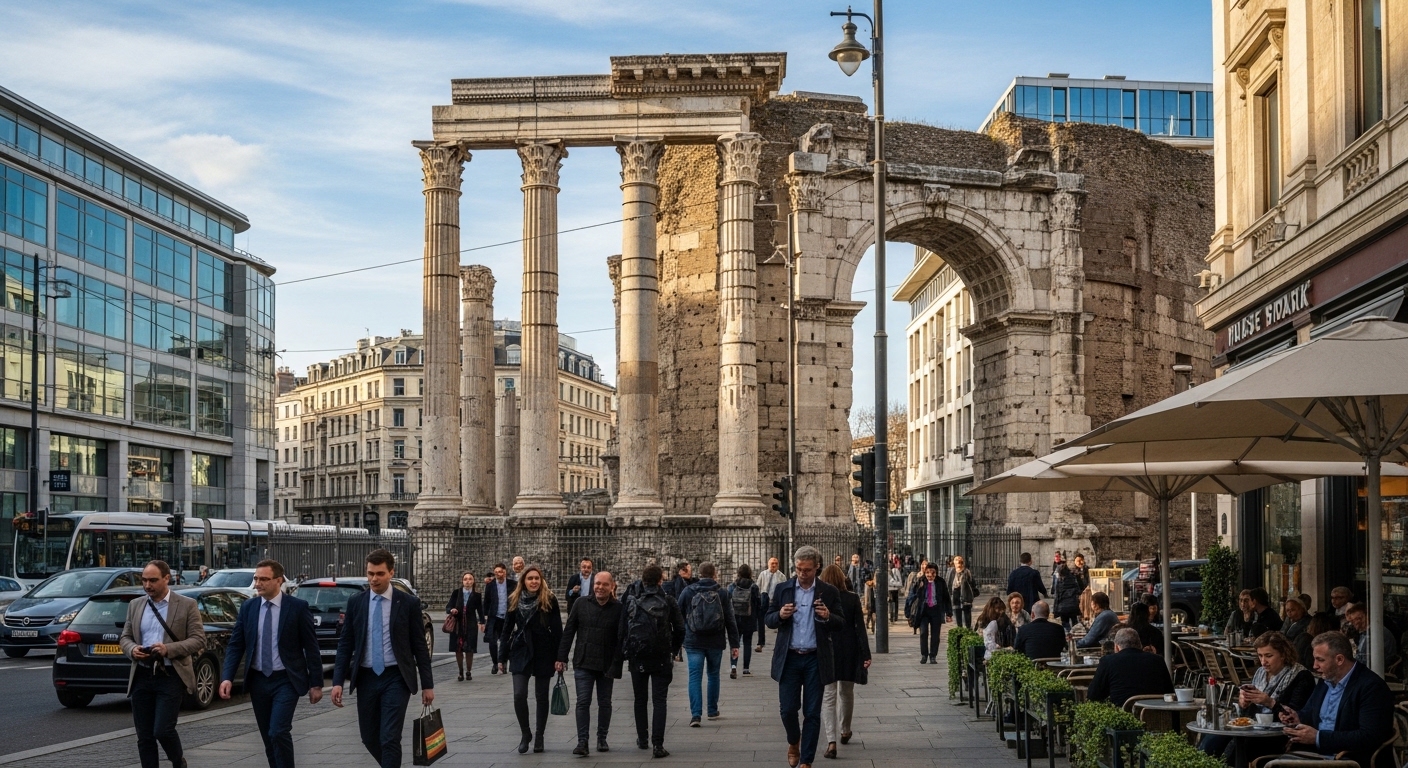
Imagine exploring ancient ruins in Rome while modern cafés sit beside them. Picture yourself in Kyoto, where wooden streets preserve traditions from centuries ago.
Now think about wandering through Stockholm, where medieval alleys connect seamlessly with modern Scandinavian design.
These cities turn travel into something deeper than sightseeing. They create emotional connections between visitors and history.
But what exactly makes a city feel like an open-air museum, and why are these destinations so powerful for travelers?
What Makes a City an Open-Air Museum?
An open-air museum city is not defined by a single attraction or landmark. Instead, it preserves culture across entire neighborhoods, streets, and architectural styles.
History is not isolated inside exhibits. It is embedded into daily life, where modern living and ancient heritage exist side by side.
Walking through these cities feels like moving through different historical eras within minutes.
Old buildings are preserved, traditional districts are maintained, and cultural identity is protected even as cities grow.
This blend of past and present is what makes cities that are famous for their open-air museums so unique in global travel.
Travelers don’t just observe history—they live inside it while exploring the city.

Rome: A Living Timeline of Ancient Civilization
Rome is one of the most powerful examples of an open-air museum city. Every street reveals layers of ancient civilization mixed with modern life.
The Colosseum, Roman Forum, and Pantheon are not hidden in isolated spaces. They stand naturally within the city’s everyday environment.
What makes Rome special is how seamlessly history blends with daily routines. Locals pass ancient ruins on their way to work or cafés.
This creates a rare experience where cities that are famous for their open-air museums feel completely alive rather than preserved behind glass.
Have you ever imagined drinking coffee next to a monument that is thousands of years old?
Kyoto: Japan’s Cultural Heart Preserved in Time
Kyoto offers a completely different but equally powerful experience of cultural preservation. The city is home to temples, shrines, and wooden streets that reflect centuries of Japanese tradition and craftsmanship.
Areas like Gion preserve geisha culture, while ancient temples continue spiritual practices that have lasted generations. Modern life exists quietly alongside tradition, without disturbing the cultural atmosphere of the city.
Kyoto is one of the finest examples of cities that are famous for their open-air museums in Asia.
Have you ever visited a place where time feels like it slows down naturally?
Stockholm: A City Built Across Living History
Stockholm spreads across 14 islands, giving it a naturally historic and walkable structure. The old town, Gamla Stan, is filled with narrow streets, colorful buildings, and medieval architecture.
Despite its historic charm, Stockholm is also a modern global city with innovation and design at its core. This contrast between old and new creates a layered cultural experience for travelers.
It is one of the most visually balanced cities that are famous for their open-air museums in Europe.
Every walk feels like moving between centuries without leaving the city.
Prague: A Fairytale Preserved in Architecture
Prague is often described as a city frozen in time due to its well-preserved medieval architecture. Gothic churches, historic bridges, and cobblestone streets create a naturally immersive environment for visitors.
The famous Charles Bridge connects different parts of the city while showcasing centuries of artistic history. Walking through Prague feels like entering a storybook where every building adds a chapter.
This makes it one of the most enchanting cities that are famous for their open-air museums in Europe.
Do you enjoy cities that feel like walking through a living fairytale?
Mexico City: A Layered Civilization of Past and Present
Mexico City is built on the remains of the ancient Aztec capital, creating a deep historical foundation. Archaeological sites like Templo Mayor exist alongside modern skyscrapers and busy urban streets.
Colonial architecture adds another historical layer, making the city a blend of multiple civilizations. This unique mix makes Mexico City one of the most complex cities that are famous for their open-air museums.
It is a place where ancient history and modern life constantly intersect.
Why Open-Air Museum Cities Transform Travel
Traditional museums separate history into exhibits, but open-air museum cities place history inside daily life. Travelers move through living environments instead of controlled exhibition spaces.
This creates a deeper emotional connection to culture and heritage. Every street, building, and square becomes part of the historical narrative.
Exploring cities that are famous for their open-air museums turns travel into immersive storytelling.
Have you ever felt history come alive while simply walking through a city?

Planning a Trip to Open-Air Museum Cities
Planning is important when visiting cities rich in historical layers and cultural depth. Researching heritage districts helps travelers identify the most meaningful walking routes.
Local guided tours often provide valuable context that enhances the experience significantly. Slow travel is recommended because rushing through these cities reduces the cultural experience.
Staying longer allows travelers to truly absorb the atmosphere of cities that are famous for their open-air museums.
Would you prefer a fast sightseeing trip or a slow cultural journey?
Conclusion: Cities Where History Lives Forever
Open-air museum cities offer one of the most immersive forms of travel in the world today. From Rome to Kyoto and Prague to Mexico City, every destination tells a unique story through its streets and architecture.
These cities remind us that history is not something locked away—it is something we walk through every day. Exploring cities that are famous for their open-air museums transforms travel into a living cultural experience.
Where will your next journey through living history take you? If you have visited any city that felt like an open-air museum, share your experience and inspire other travelers.
Follow WentWorld for more travel inspiration, cultural stories, and immersive destination guides from around the world.
Catch up on the top stories and travel deals by subscribing to our newsletter!