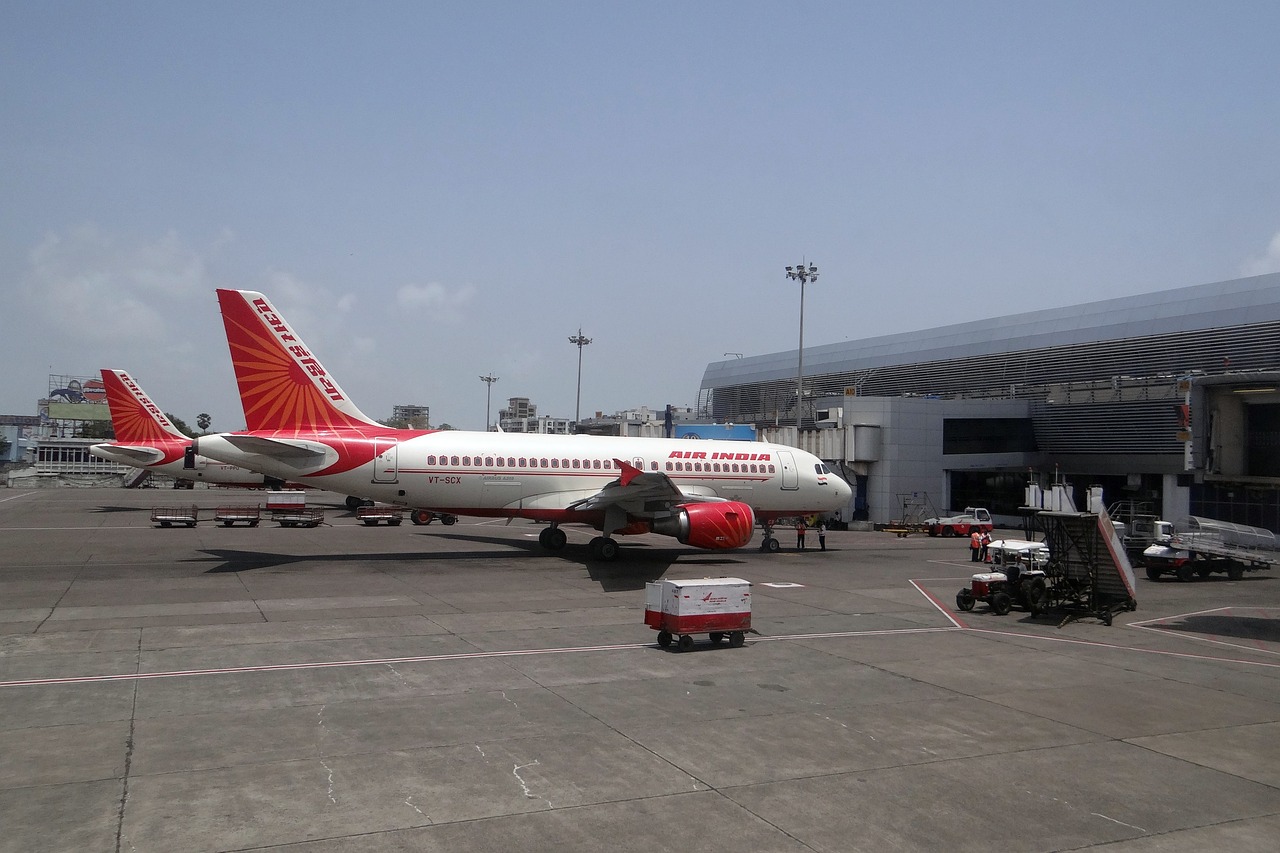
India’s DGCA now enforces strict vigilance across Middle East air routes. The DGCA pushes airlines to act early amid rising regional tensions. Moreover, the regulator demands strong risk checks before every flight enters sensitive zones. Therefore, Indian carriers must now take full control of operational safety decisions.
Recently, the DGCA issued several advisories within weeks to address shifting risks. Consequently, airlines must track daily changes across West Asia and the Persian Gulf. Furthermore, these updates help carriers avoid outdated intelligence during flight planning. This rapid communication ensures airlines respond quickly to evolving threats.
At the core, the DGCA requires detailed Safety Risk Assessments for every route. Therefore, airlines must evaluate weapon threats, military activity, and air traffic reliability. Additionally, operators must adjust routes, altitudes, or schedules based on findings. In extreme cases, airlines must suspend flights to protect passengers and crew.
Meanwhile, the DGCA aligns its strategy with global aviation safety frameworks. Consequently, it follows risk signals from international regulators to strengthen local decisions. This coordination ensures Indian airlines stay connected with global safety intelligence. As a result, carriers avoid isolation during complex geopolitical situations.
Although the DGCA avoids imposing a full flight ban, it enforces strict advisory compliance. Therefore, airlines retain flexibility while maintaining high safety standards. However, ignoring advisories could damage credibility and increase operational risks. Thus, airlines must treat every advisory as critical guidance.
India continues expanding its aviation footprint across global markets. Meanwhile, Middle East routes remain vital for travel, trade, and connectivity. Therefore, the DGCA protects these corridors through proactive planning and constant monitoring. This approach reassures passengers while supporting long-term aviation growth.
Ultimately, the DGCA treats airspace safety as a continuous process. Therefore, it updates advisories as risks evolve across regions. This strategy ensures every flight operates with maximum awareness and preparation. As tensions persist, Indian aviation remains focused on safe and reliable operations.
Related stories:
Catch up on the top stories and travel deals by subscribing to our newsletter!