Introduction: Why Sacred Site Travel Feels Deeply Meaningful
Have you ever traveled somewhere that made you pause and reflect on life in a deeper way? Not just admire the views, but feel something meaningful within you. That is the true essence of sacred site travel.
Traveling through regions known for sacred sites offers more than sightseeing and photography. It allows you to explore spirituality, history, and cultural traditions that have shaped entire civilizations.
Imagine standing before ancient temples in India or walking through peaceful shrines in Japan. These places carry stories that go far beyond what meets the eye.
This is why sacred site travel continues to attract travelers seeking deeper and more meaningful experiences. It connects you with places that hold significance for millions of people worldwide.
But how do you plan such a journey, and what should you expect when visiting these destinations? This guide will help you explore sacred regions with awareness and purpose.
The Unique Power of Sacred Destinations
Sacred sites are not just landmarks; they represent faith, devotion, and cultural identity built over generations. These places often become symbols of unity and belief.
Temples, mosques, churches, and monasteries each tell a story about the communities that created them. Their architecture and atmosphere reflect deep spiritual meaning.
When you visit these places, you step into environments where history and spirituality exist together. The experience often feels calm, reflective, and deeply personal.
For many travelers, sacred site travel provides an opportunity to slow down and reconnect with themselves. It creates a sense of peace that is hard to find elsewhere.
Have you ever entered a place so quiet and powerful that it instantly changed your mood? Sacred spaces often have that unique effect.

Choosing Regions Known for Sacred Sites
Different regions around the world are known for their sacred landmarks and spiritual heritage. Each offers a unique cultural and emotional experience.
South Asia is rich in ancient traditions, with cities like Varanasi in India attracting visitors seeking spiritual insight along the Ganges River.
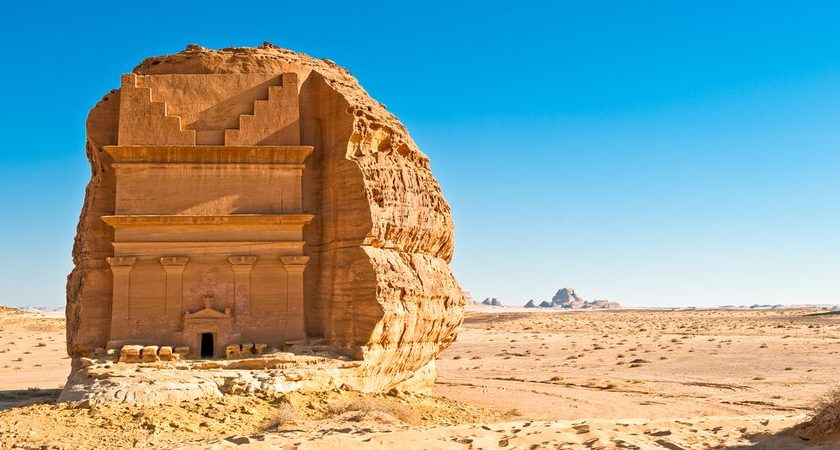
The Middle East also holds significant religious destinations, including historic sites in Saudi Arabia. These places carry deep meaning for millions of believers.
In Europe, travelers explore centuries-old churches and pilgrimage routes across countries like Spain. These locations blend history with spiritual traditions.
Choosing the right destination depends on what you seek from your journey. Some travelers look for spiritual growth, while others seek cultural understanding.
Your path in sacred site travel should align with your personal interests and curiosity.
Planning Your Sacred Journey Carefully
Planning becomes essential when visiting sacred regions, as these places often follow strict traditions. Understanding local customs helps ensure a respectful experience.
Some sacred sites require modest clothing, while others may have specific visiting hours or rules. Researching these details in advance can prevent confusion.
Travelers should rely on official tourism websites and local guidelines before visiting. This helps create a smoother and more enjoyable journey.
Booking accommodations early is also important, especially in popular pilgrimage destinations. Demand often increases during religious seasons.
Careful preparation ensures your sacred site travel experience remains meaningful and stress-free.
Experiencing Sacred Sites Beyond Sightseeing
Visiting sacred places is about more than simply observing architecture or taking photos. It is about understanding the deeper meaning behind each location.
Many travelers join guided tours or cultural programs to learn about traditions and rituals. These experiences provide valuable context and insight.
Some destinations offer meditation sessions, spiritual teachings, or cultural workshops. These activities help visitors connect more deeply with the environment.
Watching local rituals and ceremonies can also be powerful. These moments often leave lasting impressions on travelers.
Sacred site travel becomes more meaningful when you engage with the culture rather than just observing it.
Transportation and Accessibility
Traveling to sacred destinations often requires thoughtful planning. Some locations are easily accessible, while others are more remote.
Major airlines such as Qatar Airways and Turkish Airlines connect travelers to key cultural regions.
However, reaching certain sacred sites may involve local transportation such as buses or taxis. In some cases, walking becomes part of the journey.
Pilgrimage routes often encourage slow travel, allowing visitors to reflect along the way. These journeys can be both physical and emotional.
Planning transportation carefully ensures a smoother sacred site travel experience.
Respecting Traditions and Local Beliefs
Respect is essential when visiting sacred places, as these sites hold deep meaning for local communities. Travelers should always follow cultural guidelines.
Silence is often expected in prayer areas, and modest dress may be required. Photography restrictions may also apply in certain locations.
Visitors should avoid interrupting ceremonies or rituals. Observing respectfully allows everyone to maintain the sacred atmosphere.
Understanding these practices ensures that sacred site travel remains respectful and enriching.
Responsible tourism helps preserve these important cultural and spiritual spaces for future generations.

The Emotional Impact of Sacred Travel
Many travelers describe sacred journeys as life-changing experiences that shift their perspective. These places often inspire reflection and gratitude.
Standing in historic temples or walking along pilgrimage routes can create powerful emotional connections. These moments often stay with travelers for years.
Some people find peace, while others gain a deeper appreciation for different cultures and beliefs. Every journey offers something unique.
Sacred site travel allows travelers to step away from routine and explore a more meaningful way of seeing the world.
Have you ever visited a place that made you rethink your perspective? Sacred destinations often create that impact.
Your Turn: Share Your Sacred Travel Stories
Have you ever visited a sacred site during your travels and felt a deeper connection? Many travelers carry unforgettable memories from such experiences.
Which destination left the strongest impression on you, and why did it stand out? Your story could inspire someone else to explore similar journeys.
Are there sacred places you dream of visiting someday? Planning such a trip could open new perspectives and experiences.
If you enjoy meaningful travel, follow WentWorld on social media for more insights and inspiration. Join a community that values culture and exploration.
Conclusion
Traveling through regions known for sacred sites offers a powerful way to explore the world beyond typical tourism. These journeys connect history, culture, and spirituality.
With thoughtful planning and respect for traditions, sacred site travel becomes one of the most rewarding travel experiences available today.
The world is filled with sacred places waiting to be discovered. Each destination offers a chance to reflect, learn, and grow.
Where will your next spiritual journey take you, and what will you discover along the way?
Catch up on the top stories and travel deals by subscribing to our newsletter!