Cities are often imagined as flat, sprawling spaces filled with roads, buildings, and endless traffic. However, some cities around the world challenge this idea completely. They rise vertically, stretch underground, and layer themselves in fascinating ways. These destinations are known as the world’s most unique multi-level cities, where life unfolds across different heights, levels, and hidden spaces.
From ancient underground tunnels to futuristic sky bridges, these cities offer an experience that feels almost unreal. Travelers walking through these urban landscapes often move between floors, rooftops, underground pathways, and elevated streets without even realizing it. This layered design creates a completely different way of living, commuting, and exploring.
Have you ever walked through a city where streets exist above and below you at the same time? Or where entire communities thrive beneath the surface? If not, you are about to discover something extraordinary.
Why Multi-Level Cities Capture Global Attention
The concept of vertical and layered cities has become increasingly important as urban populations grow. Limited space forces cities to expand in creative ways. Instead of spreading outward, they build upward and downward, creating complex environments that maximize every inch of space.
The world’s most unique multi-level cities are not just practical solutions to overcrowding. They are also architectural masterpieces. These cities combine history, innovation, and culture in ways that few other destinations can match.
Travelers are drawn to these cities because they offer something different. Exploring them feels like solving a puzzle. You might enter a building at ground level and exit several floors above the street, or walk through tunnels that connect entire districts.
These cities also provide protection from weather conditions. Underground pathways shield people from harsh winters, while elevated walkways help manage heavy traffic. The design of these cities reflects both necessity and creativity.
Hong Kong: The Vertical City of Endless Layers
Few places represent vertical living better than Hong Kong. Known for its towering skyscrapers and dense population, this city operates across multiple levels in a seamless way.
Pedestrian skywalks connect buildings high above the streets, allowing people to move between offices, malls, and transport hubs without touching the ground. At the same time, underground metro systems and shopping centers create an entire hidden world beneath the city.
In Hong Kong, it is possible to spend an entire day navigating through different levels without ever stepping onto a traditional street. This layered structure makes it one of the world’s most unique multi-level cities.

Tokyo: A City Built Above and Below
Tokyo offers a fascinating mix of underground and elevated urban spaces. Beneath its busy streets lies a vast network of shopping areas, restaurants, and transit systems. Above ground, elevated highways and rail lines weave through the skyline.
One of the most interesting aspects of Tokyo is how seamlessly these levels connect. Travelers can move from a subway station to a shopping mall, then to an office tower without ever stepping outside.
The city’s efficient use of space reflects Japan’s innovative approach to urban design. Tokyo continues to evolve, making it a key example of the world’s most unique multi-level cities.
Montreal: The Underground City
Montreal takes the concept of multi-level living underground. Its famous “Underground City” is a vast network of tunnels that connects shopping centers, hotels, offices, and metro stations.
During winter, when temperatures drop significantly, residents rely on this underground network to move around comfortably. The system stretches for miles and includes everything from boutiques to restaurants.
This hidden world beneath Montreal transforms the way people experience the city. It offers a unique blend of convenience and innovation, making it one of the world’s most unique multi-level cities.
Naples: A City With Ancient Layers Beneath
The Italian city of Naples reveals a completely different type of multi-level design. Beneath its vibrant streets lies a network of ancient tunnels, aqueducts, and catacombs.
These underground spaces date back thousands of years and tell the story of the city’s history. Visitors can explore hidden chambers and passageways that once served as water systems, shelters, and burial sites.
Naples shows that multi-level cities are not always modern creations. Some have developed naturally over centuries, layering history beneath everyday life.
New York City: Layers of Urban Complexity
New York City is often associated with skyscrapers, but its multi-level structure goes far beyond what meets the eye. The city features an extensive subway system, underground shopping areas, and elevated walkways.
Areas like Manhattan allow travelers to experience different levels of the city within minutes. Rooftop spaces provide stunning views, while underground stations buzz with energy and movement.
New York demonstrates how modern cities can integrate vertical and underground spaces into daily life.
Petra: An Ancient Multi-Level Wonder
The ancient city of Petra in Jordan offers a historical perspective on multi-level design. Carved directly into rock cliffs, this UNESCO World Heritage site features structures built at different heights and levels.
Pathways wind through narrow canyons, leading to temples, tombs, and living spaces carved into the stone. Petra’s design reflects both creativity and adaptation to its environment.
Although it is no longer a living city, Petra remains one of the world’s most unique multi-level cities in terms of architectural ingenuity.

The Future of Multi-Level Cities
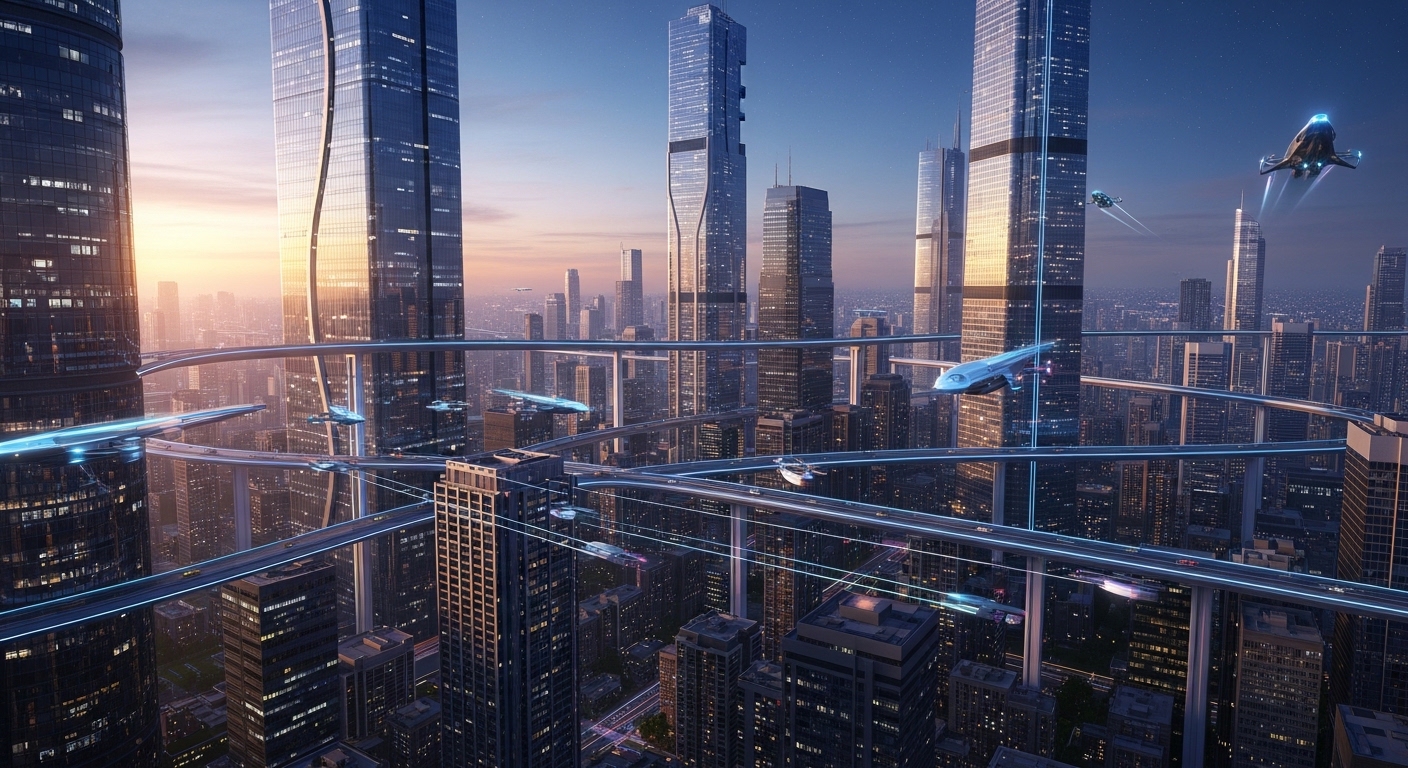
As urban populations continue to grow, more cities are adopting multi-level designs. Architects and planners are exploring new ways to use vertical space efficiently.
Future cities may include more sky bridges, underground transport systems, and multi-layered living spaces. Innovations supported by organizations such as UN-Habitat focus on sustainable urban development.
These designs aim to reduce congestion, improve transportation, and create more livable environments.
What Makes These Cities So Fascinating
The world’s most unique multi-level cities offer more than just architectural interest. They change how people interact with space. Movement becomes three-dimensional rather than flat.
Travelers often feel a sense of discovery as they explore hidden pathways and elevated walkways. Every level reveals something new, from bustling markets to quiet rooftops.
These cities also highlight human creativity. They show how communities adapt to challenges and transform limitations into opportunities.
Your Turn to Explore
Imagine walking through a city where every level tells a different story. Would you prefer exploring underground tunnels or sky-high walkways? Which of these destinations would you visit first?
The world’s most unique multi-level cities invite travelers to see urban life from a completely new perspective. They challenge traditional ideas of space and create unforgettable experiences.
We would love to hear your thoughts. Have you visited a multi-level city before? Which one amazed you the most?
Stay connected with WentWorld for more fascinating travel stories, hidden destinations, and unique experiences from across the globe. Follow us on social media and never miss your next adventure.
Catch up on the top stories and travel deals by subscribing to our newsletter!