Travel has evolved beyond sightseeing and luxury stays. Today, many travelers actively seek meaningful connections and deeper cultural understanding. One of the most enriching ways to achieve this is by traveling through regions known for indigenous cultures. These journeys offer more than just beautiful landscapes. They provide insight into traditions, languages, and ways of life that have existed for centuries.
From the mountains of South America to the deserts of Australia, indigenous communities continue to preserve their heritage despite modern changes. Travelers who explore these regions gain access to unique experiences, including storytelling, traditional ceremonies, local cuisine, and handcrafted art. Traveling through regions known for indigenous cultures allows visitors to see the world through a different lens.
Have you ever wondered what it feels like to connect with a culture that has remained deeply rooted in tradition? Imagine learning ancient survival skills, listening to stories passed down for generations, and understanding a worldview shaped by nature and community.
Why Traveling Through Regions Known for Indigenous Cultures Matters
Indigenous cultures represent some of the oldest living traditions in the world. These communities have developed deep connections with their environment, creating sustainable lifestyles that modern society can learn from. Traveling through regions known for indigenous cultures helps preserve these traditions while promoting cultural respect.
Tourism also plays an important role in supporting indigenous communities. When done responsibly, it provides economic opportunities while allowing locals to maintain control over their heritage. Visitors contribute directly to community projects, education, and cultural preservation.
Many travelers find these experiences transformative. Instead of observing culture from a distance, they become participants. They learn directly from indigenous people, gaining knowledge that cannot be found in books or museums.

Top Regions Known for Indigenous Cultures Around the World
Certain regions stand out for their rich indigenous heritage. These destinations offer travelers a chance to experience authentic traditions and connect with local communities.
South America: Andes and Amazon
The Andes Mountains and Amazon rainforest are home to diverse indigenous groups. Travelers visiting Machu Picchu often extend their journey into nearby villages to meet Quechua communities. These communities share traditional weaving techniques, farming practices, and spiritual beliefs.
The Amazon rainforest offers a completely different experience. Indigenous tribes guide visitors through dense jungles, teaching them about medicinal plants and wildlife. Many eco-lodges partner with organizations like World Wildlife Fund to promote sustainable tourism.
North America: Native American Heritage
In the United States and Canada, Native American communities continue to preserve their traditions. Travelers can visit cultural centers, attend powwows, and explore historical landmarks. Regions near Grand Canyon National Park offer opportunities to learn about indigenous history and storytelling.
Many communities also offer guided tours that highlight traditional practices such as pottery, beadwork, and spiritual ceremonies.
Australia: Aboriginal Experiences
Australia is home to one of the oldest continuous cultures in the world. Aboriginal communities offer immersive experiences that focus on storytelling, art, and connection to the land. Travelers visiting Uluru can learn about Dreamtime stories and cultural traditions.
Guided tours often include bushwalking, traditional cooking, and art workshops. These experiences emphasize respect for nature and cultural heritage.
Asia: Tribal Communities and Traditions
Asia features a wide range of indigenous cultures, particularly in regions like Southeast Asia and the Himalayas. Travelers exploring areas near Ha Long Bay or Northern Thailand often visit hill tribes known for their colorful attire and unique traditions.
In India, tribal communities across states like Odisha and Nagaland offer cultural experiences that include festivals, music, and traditional crafts. Many travelers arrive via Air India before continuing to rural regions.
Africa: Cultural Diversity and Heritage
Africa is incredibly diverse, with numerous indigenous groups maintaining strong cultural identities. Visitors to Kenya and Tanzania often interact with Maasai communities, learning about their traditions, clothing, and daily life.
These experiences frequently include village visits, dance performances, and storytelling sessions that highlight community values.
Experiences That Define Indigenous Cultural Travel
Storytelling and Oral Traditions
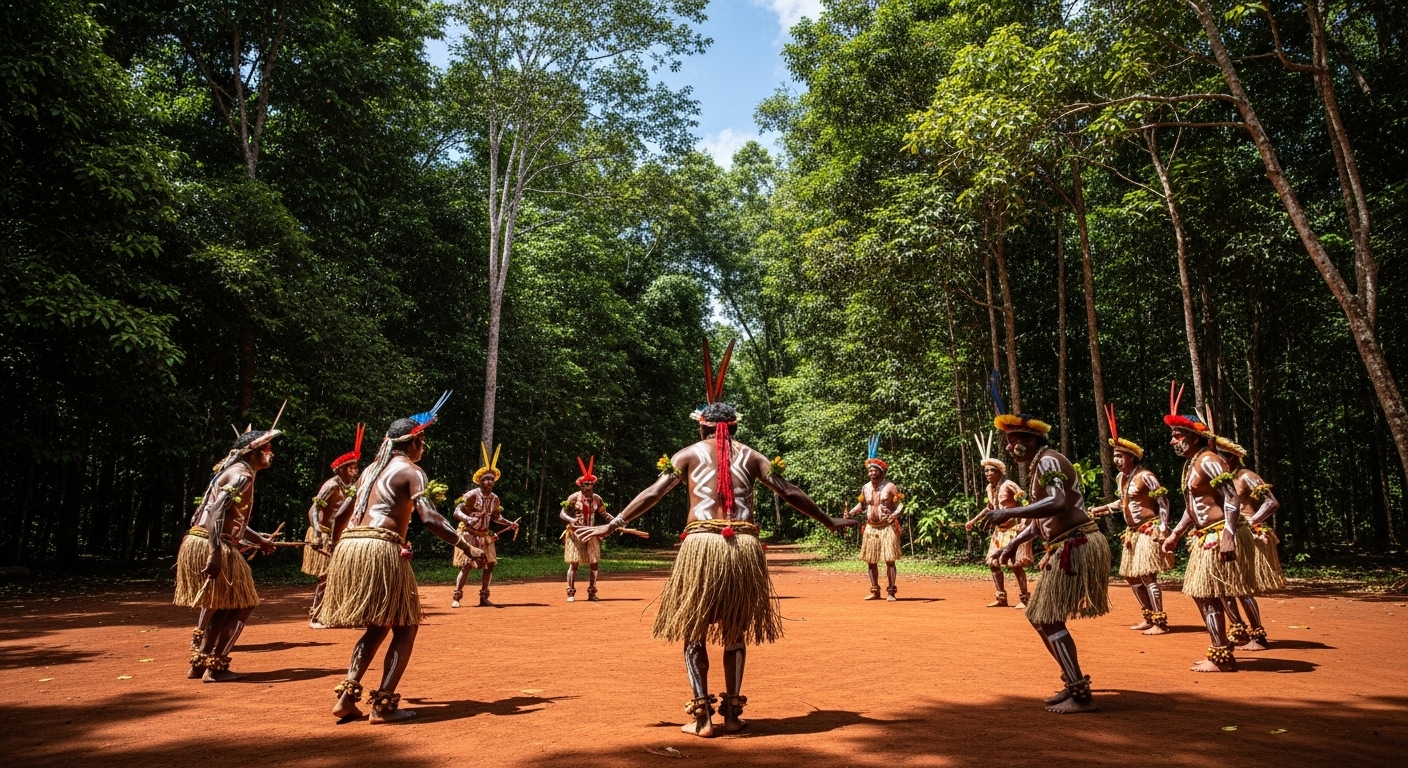
Storytelling plays a central role in indigenous cultures. Elders share knowledge through stories that explain history, nature, and spirituality. Travelers often sit around fires listening to narratives that have been passed down for generations.
Traditional Food and Cooking
Food reflects culture and environment. Indigenous communities prepare meals using locally sourced ingredients and traditional methods. Guests often participate in cooking, learning techniques that have remained unchanged for centuries.
Art and Craftsmanship
Indigenous art carries deep meaning. From intricate beadwork to handwoven textiles, each piece tells a story. Visitors can observe artisans at work and even try creating their own crafts.
Spiritual Practices and Ceremonies
Many indigenous cultures maintain spiritual practices that connect people with nature. Travelers may witness ceremonies that honor ancestors, celebrate seasons, or mark important life events.
The Impact of Responsible Indigenous Tourism
Traveling through regions known for indigenous cultures requires responsibility. Visitors must respect traditions, avoid exploitation, and support ethical tourism practices.
Organizations such as UN Tourism promote guidelines that ensure tourism benefits local communities. Responsible travel helps preserve culture while providing economic support.
Travelers should choose experiences led by indigenous communities themselves. This ensures authenticity and allows locals to control how their culture is shared.

Tips for Meaningful Cultural Travel
Respect Local Customs
Always learn basic cultural etiquette before visiting. Small gestures show respect and appreciation.
Ask Before Taking Photos
Photography can feel intrusive in some communities. Always ask permission.
Support Local Businesses
Purchase handmade goods and use local services to contribute directly to the community.
Stay Open-Minded
Approach every experience with curiosity and respect. Avoid comparing cultures or making assumptions.
Reflect on Your Journey
Think about the lessons you gained from traveling through regions known for indigenous cultures. Did your perspective change? Did you learn something unexpected about the world or yourself?
These journeys often leave a lasting impact. Travelers return home with a deeper appreciation for diversity and cultural heritage.
Have you ever experienced indigenous cultural travel? Which region would you most like to explore? Share your thoughts and stories with us.
If you enjoy discovering meaningful travel experiences, follow WentWorld on social media. Stay updated with inspiring travel stories, cultural insights, and destination guides from around the world.
Traveling through regions known for indigenous cultures is not just a journey. It is an opportunity to connect, learn, and grow. The world is filled with cultures waiting to share their stories. The question is, are you ready to listen?
Catch up on the top stories and travel deals by subscribing to our newsletter!