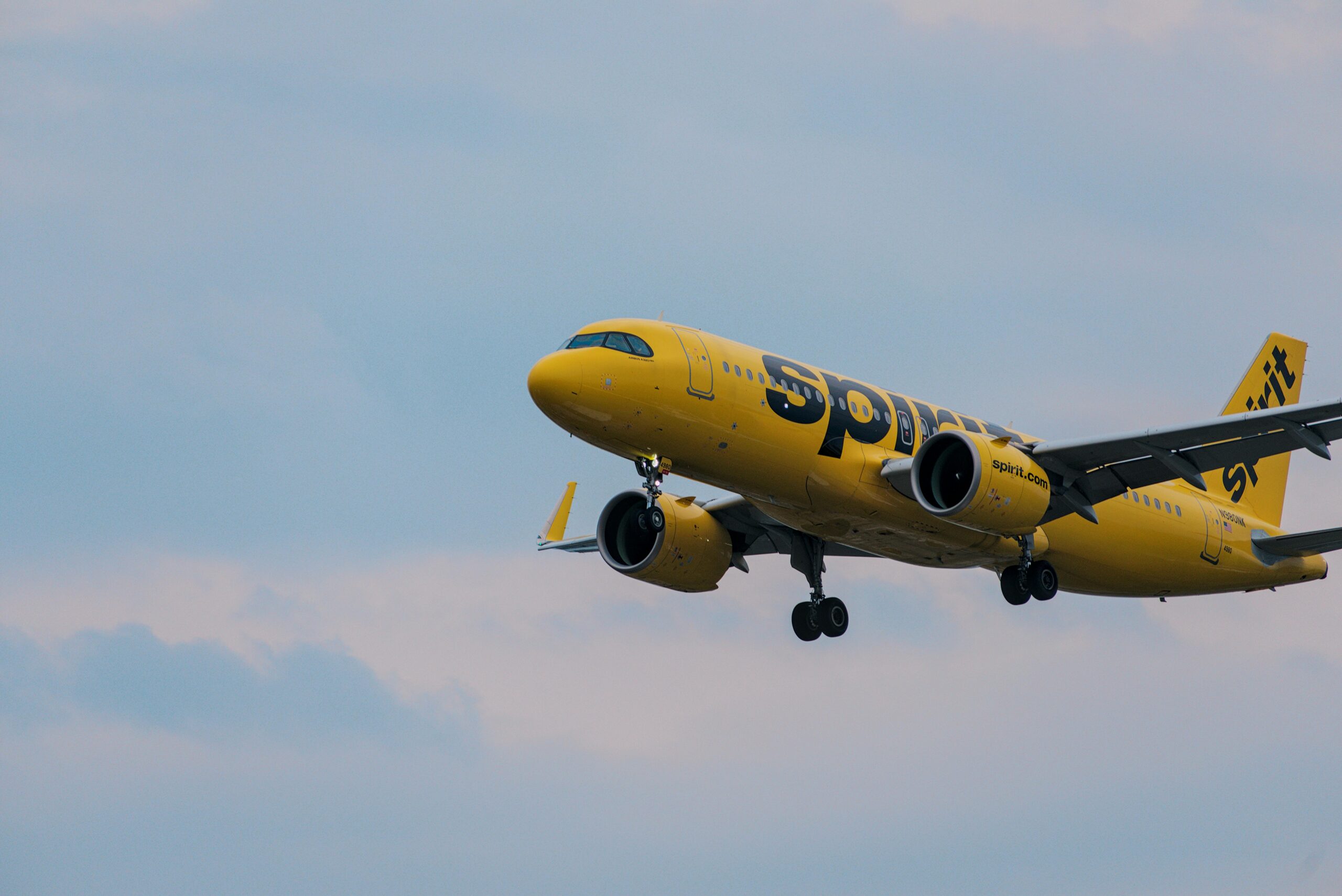
Spirit Airlines faces a severe financial crisis, and the budget carrier now seeks urgent stabilization support. As Spirit Airlines struggles with rising costs, the airline confronts mounting pressure across its operations. Moreover, the company faces growing collapse fears as market conditions worsen. Consequently, industry observers track every development as uncertainty spreads across aviation markets.
Although Spirit Airlines built its reputation on ultra-low fares, the airline now struggles to sustain that model. Rising fuel costs continue to strain operations, while shifting demand reduces pricing flexibility. As a result, the airline cannot easily raise fares without losing customers. Therefore, financial losses continue to expand, and liquidity concerns intensify rapidly.
Meanwhile, reports indicate that a £400 million emergency rescue deal remains under active consideration. This proposed package aims to stabilize operations and prevent immediate disruption. Furthermore, such intervention could involve significant government backing, which may reshape ownership structures. Consequently, this move could redefine how authorities support struggling airlines during financial distress.
At the same time, Spirit Airlines plays a key role in maintaining low fares across many routes. If the airline exits the market, ticket prices could rise sharply. As competitors adjust capacity, travelers may face fewer affordable options. Therefore, the airline’s survival directly impacts pricing dynamics and consumer choice.
Additionally, several airports depend heavily on Spirit Airlines for passenger traffic and route diversity. If operations decline, these regions could lose vital connectivity. As a result, tourism flows and local economies may face significant setbacks. Meanwhile, smaller airports could experience sharper disruptions due to reduced demand.
Ultimately, this crisis highlights deeper weaknesses within the ultra-low-cost airline model. Rising operational costs and limited pricing power create long-term challenges. Therefore, the outcome of this rescue effort could influence future aviation strategies. As stakeholders respond, the industry may enter a new phase where affordability and competition face lasting change.
Related stories:
Catch up on the top stories and travel deals by subscribing to our newsletter!