Introduction: Why Time Zones Change the Way You Travel
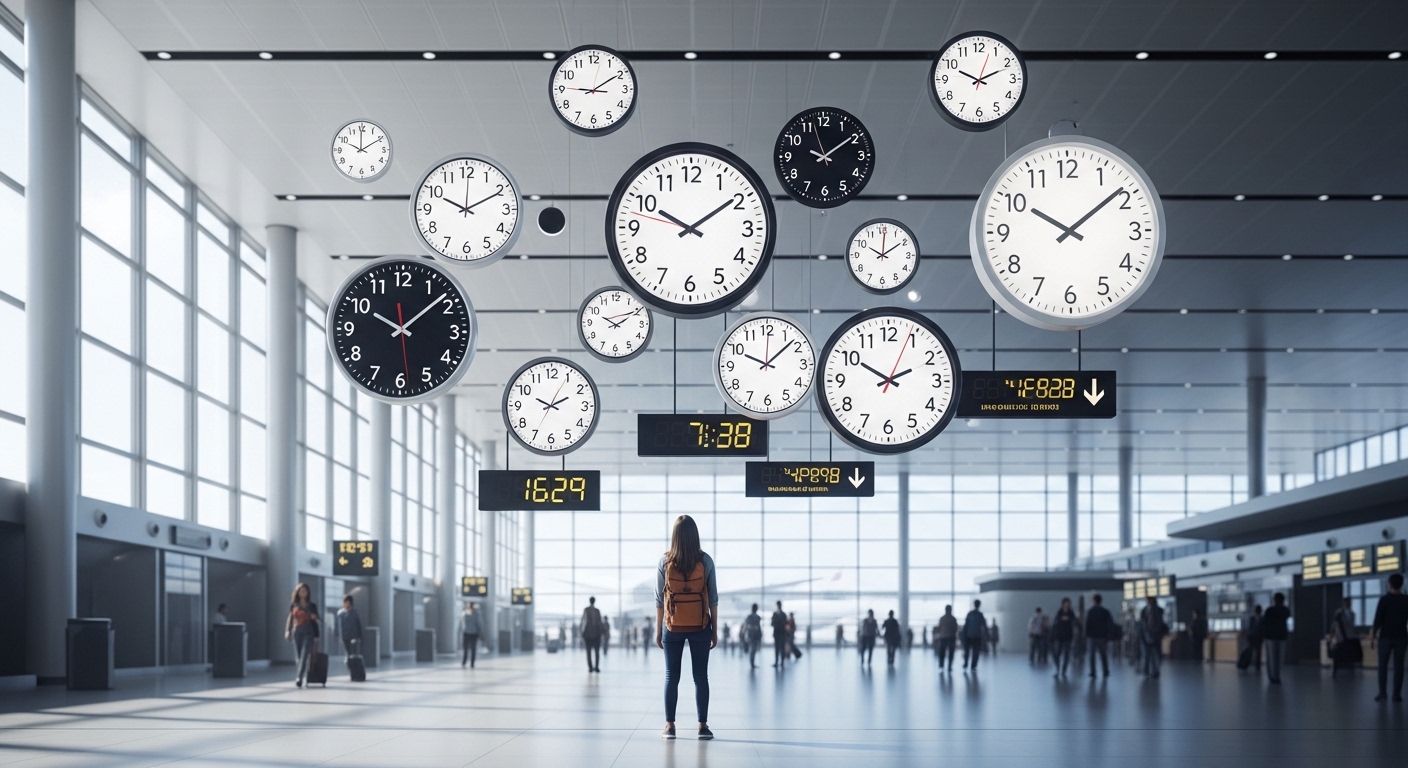
Have you ever landed in a country and felt like the world shifted with the clock? Traveling across different time zones does exactly that, it reshapes your rhythm, energy, and daily experience.
Exploring destinations with unique time zones is not just about adjusting your watch. It is about adjusting your lifestyle, sleep cycle, and even how you perceive the day.
From catching sunrise in one part of the world to experiencing midnight daylight in another, time becomes part of the adventure itself.
Many travelers underestimate how much time zones affect their journey. But once you experience it, you realize it changes everything from planning to enjoyment.
This guide will help you understand how to travel smarter across time zones and enjoy every moment without feeling lost in time.
Understanding Time Zones in Simple Terms
Time zones were created to standardize time across the globe. Each region follows a specific time offset based on its position relative to the sun.
Countries like Australia span multiple time zones, meaning different cities can have different local times even within the same country.
Large countries such as Canada also experience this variation, making internal travel feel like international travel.
When you move across continents, your body clock struggles to adjust immediately, creating what we call jet lag.
Understanding this system is the first step in successfully exploring destinations with unique time zones.

Destinations Where Time Feels Different
Some destinations are famous for their unusual relationship with time. These places create unforgettable travel experiences because of their natural light patterns and geographic position.
For example, New Zealand is among the first countries to welcome each new day with sunrise.
In contrast, Iceland experiences long daylight hours during summer, where nights feel almost endless.
Similarly, Norway offers the fascinating midnight sun phenomenon in its northern regions.
These destinations challenge your normal sense of time and make travel feel surreal and unforgettable.
How Time Zones Affect Your Body and Travel Experience
When you cross multiple time zones, your body’s internal clock becomes misaligned with local time. This is the main reason travelers experience jet lag.
You may feel sleepy during the day or awake at unusual hours, even if the local schedule is completely different.
Long-haul flights increase this effect, especially when traveling east or west across continents.
Adjusting quickly helps you enjoy your trip without losing valuable sightseeing time.
Simple changes like sleeping before departure or staying hydrated can make a big difference.
Once you understand this, exploring destinations with unique time zones becomes much smoother and more enjoyable.
Smart Planning for Multi-Time Zone Travel
Good planning is the key to handling different time zones effectively. Small adjustments before and during travel can reduce fatigue significantly.
Using tools like World Clock resources helps you track time differences before you even arrive.
Airlines such as Qatar Airways design long-haul schedules to help passengers adjust more comfortably.
It is also helpful to plan arrival times during daylight hours so your body can adjust faster to the new environment.
On your first day, avoid over-scheduling activities and allow your body to adapt naturally.
Turning Time Differences Into Travel Advantages
Time zones are often seen as a challenge, but they can also become an advantage for smart travelers.
Flying westward can help extend your day, giving you extra time during your journey.
Business travelers often use time differences to attend meetings across continents in a single schedule.
Some regions even offer unique experiences due to their daylight patterns, such as Arctic regions with 24-hour daylight.
Instead of fighting time differences, learning to work with them enhances your travel experience.
This mindset makes exploring destinations with unique time zones more efficient and enjoyable.
Digital Tools That Make Time Zone Travel Easier
Technology has made global travel much easier, especially when dealing with different time zones.
Apps like World Time Buddy and Google Clock help travelers manage schedules and coordinate activities easily.
Smartphones automatically adjust local time, removing confusion when you land in a new country.
These tools are especially helpful for remote workers and frequent travelers managing multiple schedules.
With these tools, staying connected while traveling becomes simple and stress-free.

The Emotional Side of Time Zone Travel
Traveling across time zones is not just physical, it is emotional too. It changes how you feel about time and routine.
Seeing sunrise at unusual hours or experiencing daylight at midnight can feel surreal and memorable.
These moments often stay with travelers long after the trip ends because they break normal life patterns.
Time zone travel reminds us that time is flexible and experienced differently across the world.
Have you ever felt completely out of sync with your normal routine while traveling?
Conclusion: Traveling Beyond the Clock
Exploring destinations with unique time zones is more than just managing schedules. It is about experiencing the world in a different rhythm.
With proper planning, awareness, and the right mindset, time differences become part of the adventure instead of a challenge.
Every time zone you cross adds a new layer to your travel story and global understanding.
Where will your next time-shifting journey take you?
Follow WentWorld for more travel insights, guides, and global experiences that help you explore the world smarter.
Catch up on the top stories and travel deals by subscribing to our newsletter!