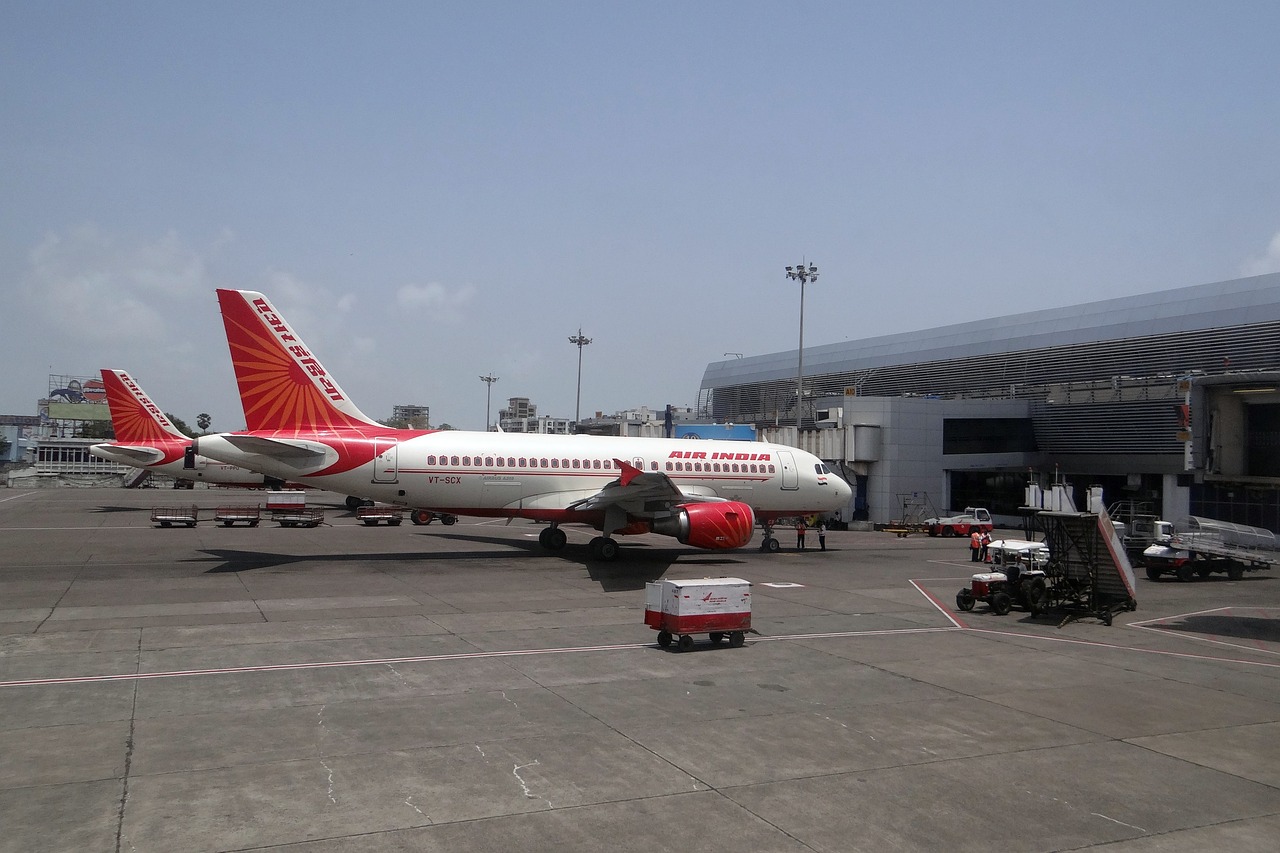
Air Transat reshaped travel plans after it delayed its Toronto to Accra launch in 2026. Initially, Air Transat aimed to connect Canada and Ghana with a nonstop service. However, the airline paused the rollout and adjusted its summer schedule. Consequently, travelers now face uncertainty while planning long-haul journeys between both regions.
Originally, the route promised faster travel and stronger connections between West Africa and Canada. Moreover, the service aimed to cut long layovers and reduce total travel time significantly. Therefore, many travelers expected smoother journeys and better accessibility across continents. However, the sudden delay disrupted expectations and forced passengers to rethink travel options.
Airlines often face operational hurdles, and Air Transat encountered several challenges before launch. Rising fuel costs increased financial pressure on long-distance routes. Additionally, aircraft availability issues limited expansion plans across new markets. Meanwhile, regulatory procedures demanded more time and delayed final approvals. As a result, the airline postponed the route until conditions improved.
Travel demand between Ghana and Canada continues to grow steadily each year. Furthermore, diaspora communities rely on efficient routes to maintain family and cultural ties. Consequently, the delay affects passengers who prefer direct flights over complex itineraries. At the same time, global events in 2026 will increase travel demand across continents.
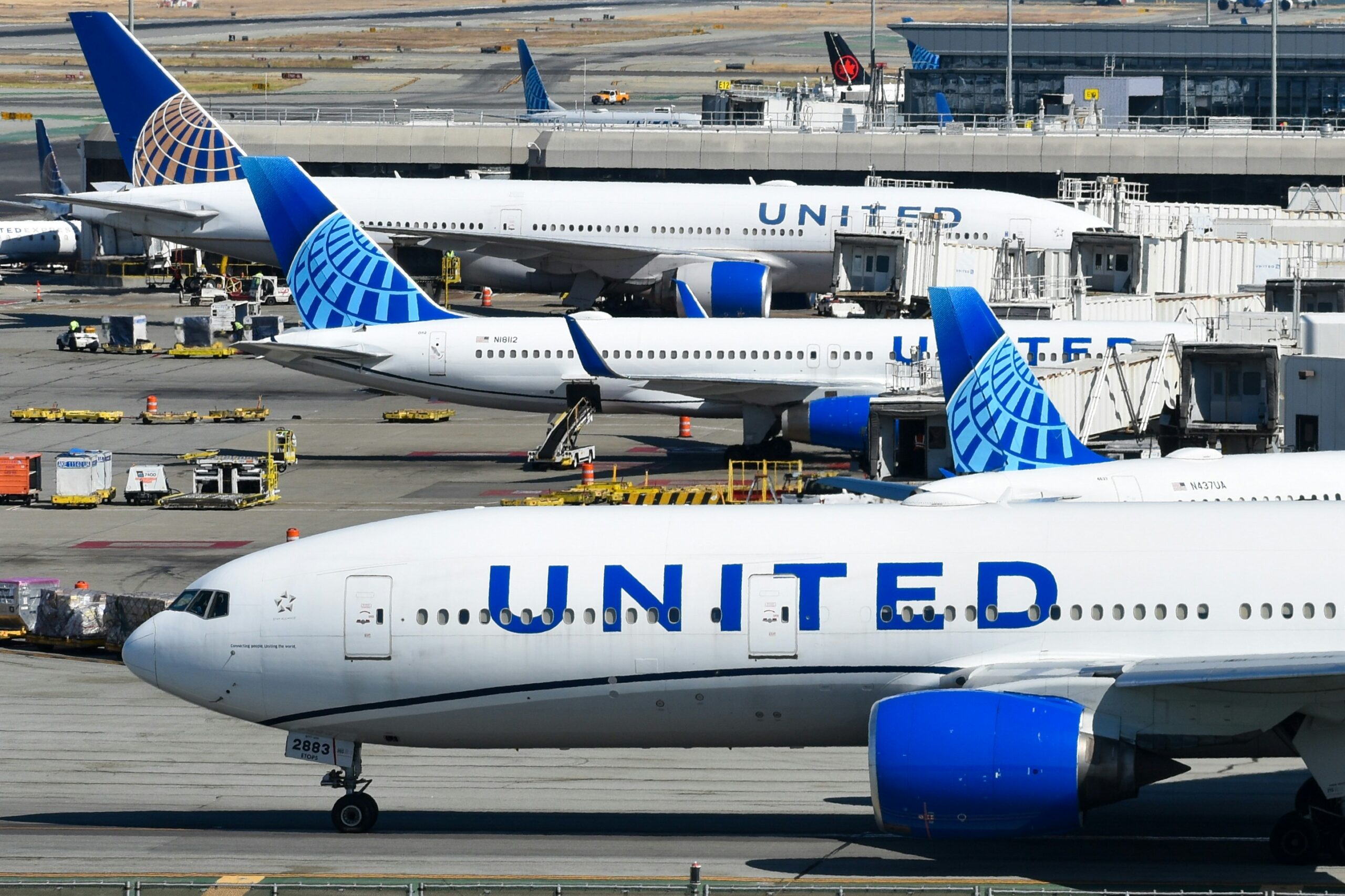
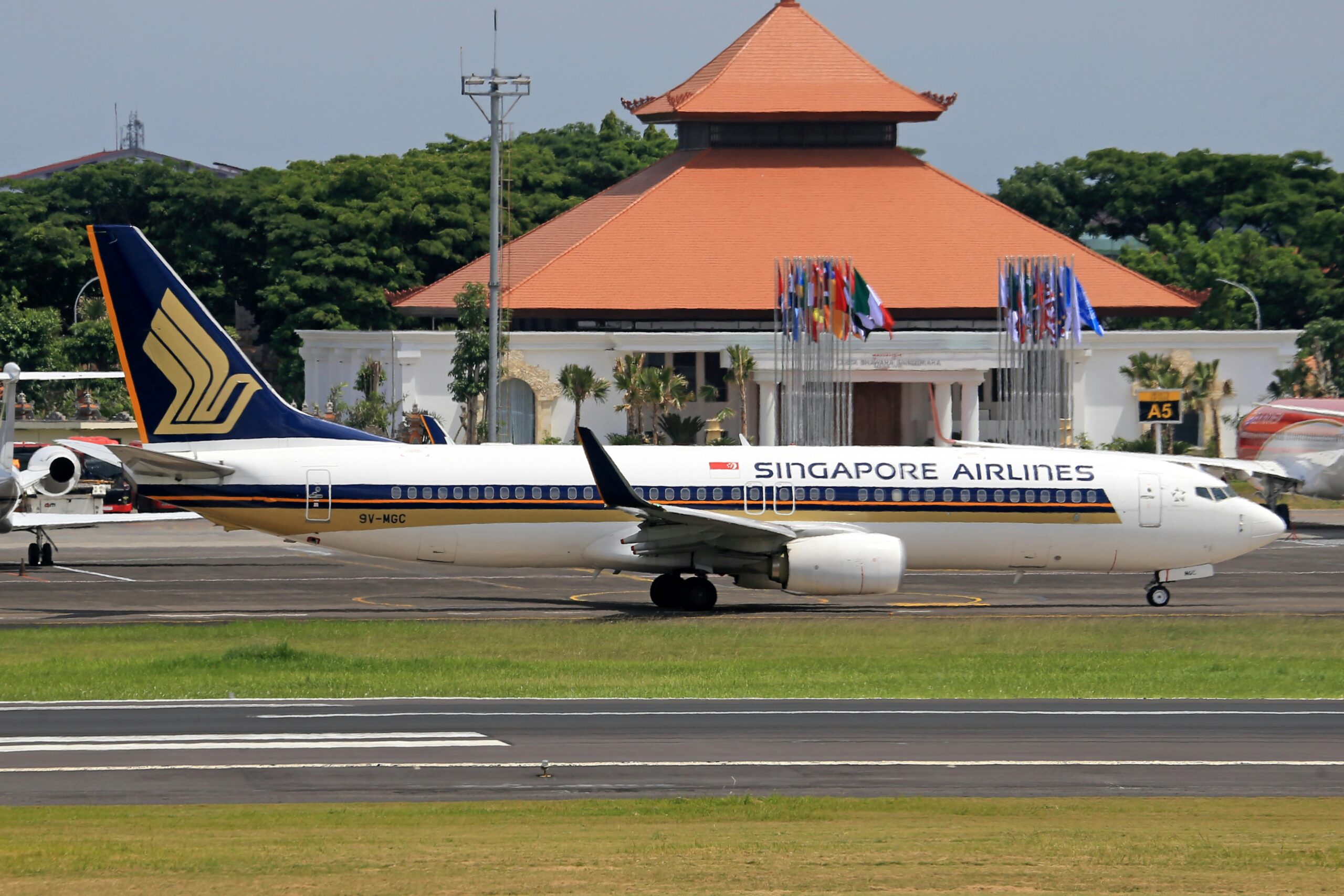
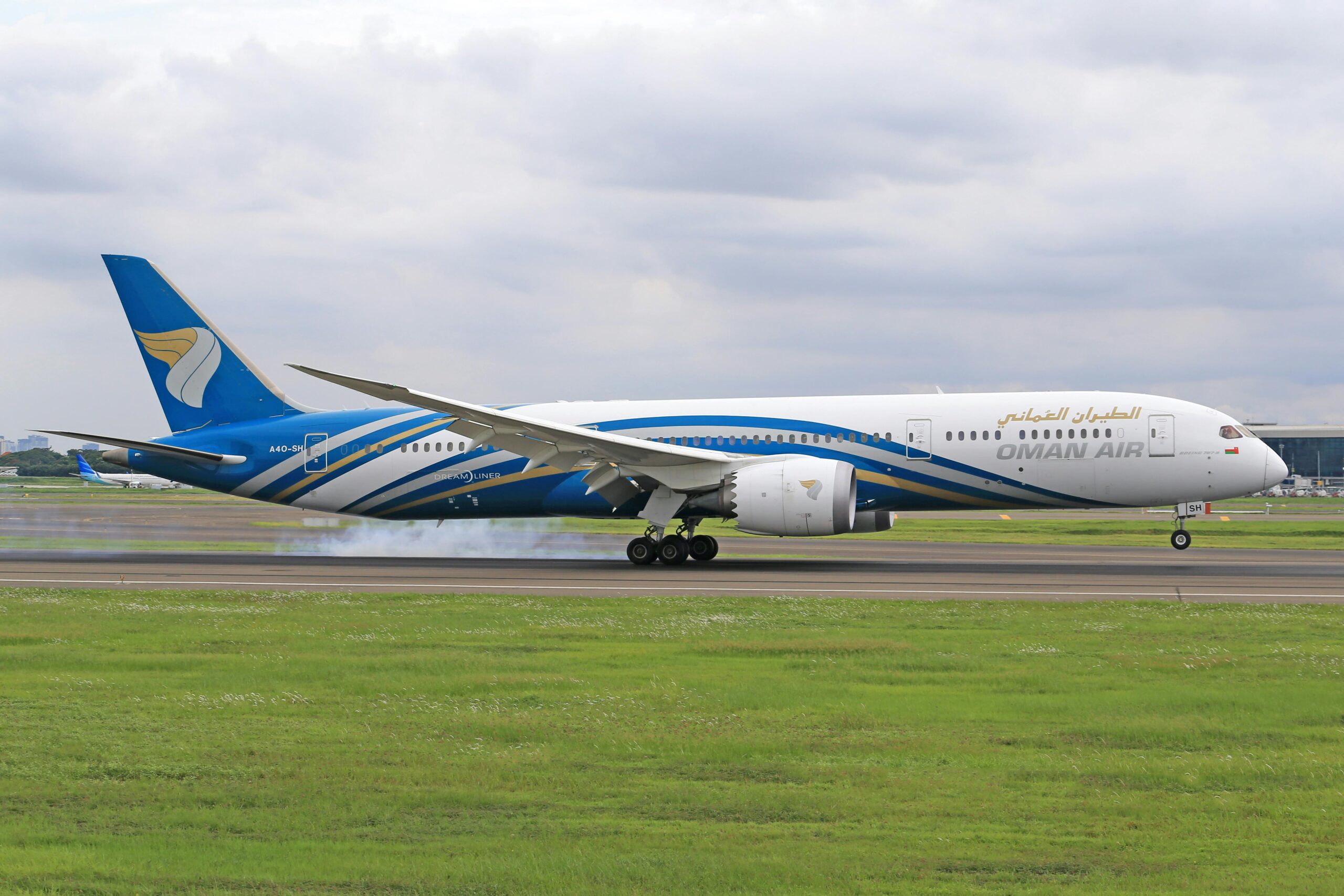
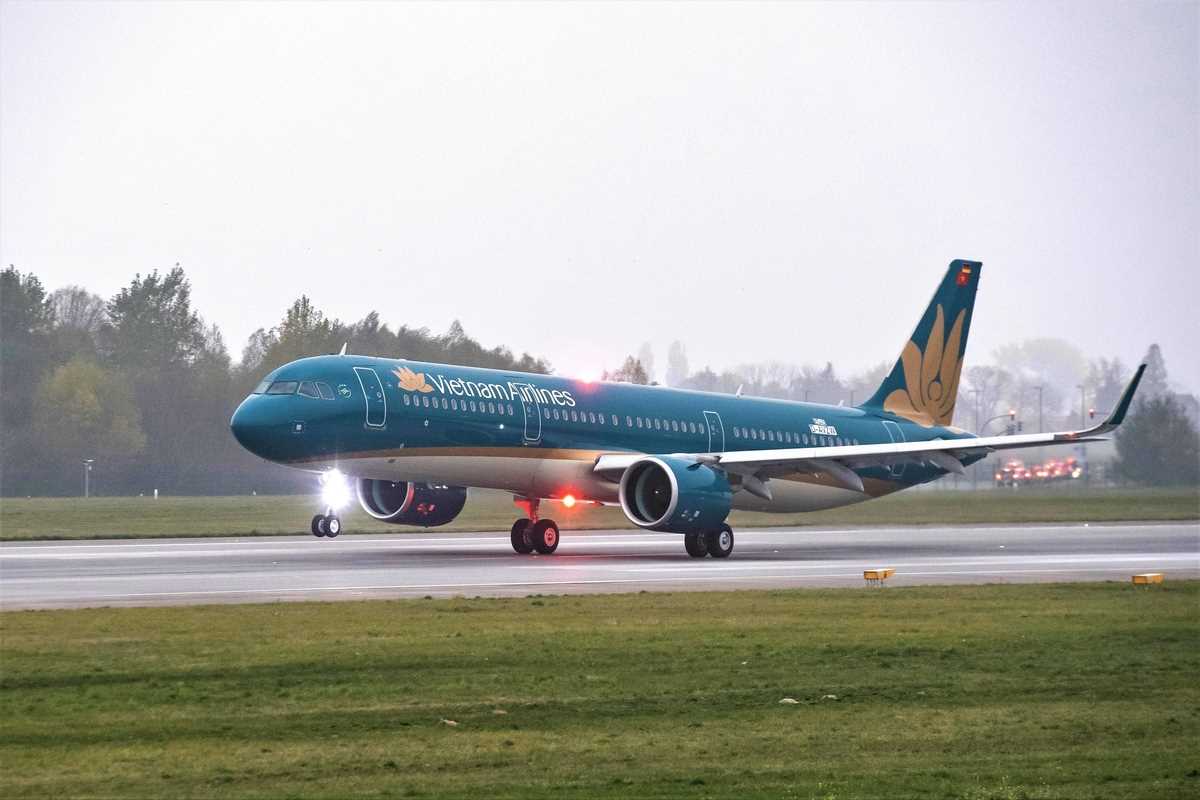
Passengers now explore alternative routes through Europe and the Middle East. Similarly, airlines with established networks continue serving this high-demand corridor. However, travelers still expect a nonstop solution in the near future. Therefore, market competition may push other airlines to explore similar routes.
Despite the setback, Air Transat continues planning long-term expansion in Africa. Moreover, the airline maintains its focus on building stronger global connections. Consequently, industry experts expect the route to return once conditions stabilize. Until then, travelers must rely on existing options while anticipating future improvements.
Related stories:
Catch up on the top stories and travel deals by subscribing to our newsletter!