Travel becomes far more meaningful when it connects you with culture, rhythm, and human expression. One of the most powerful ways to explore culture is through traditional dance. When you travel through regions known for traditional dance forms, you step into stories told through movement, music, and heritage. These dances reveal history, identity, and emotions in ways words often cannot capture.
Every culture expresses itself through dance. Some dances celebrate harvests, while others honor ancestors, mark weddings, or tell ancient myths. These traditions are often preserved for centuries and passed down through generations. Watching or participating in them allows travelers to experience culture in its most vibrant and living form.
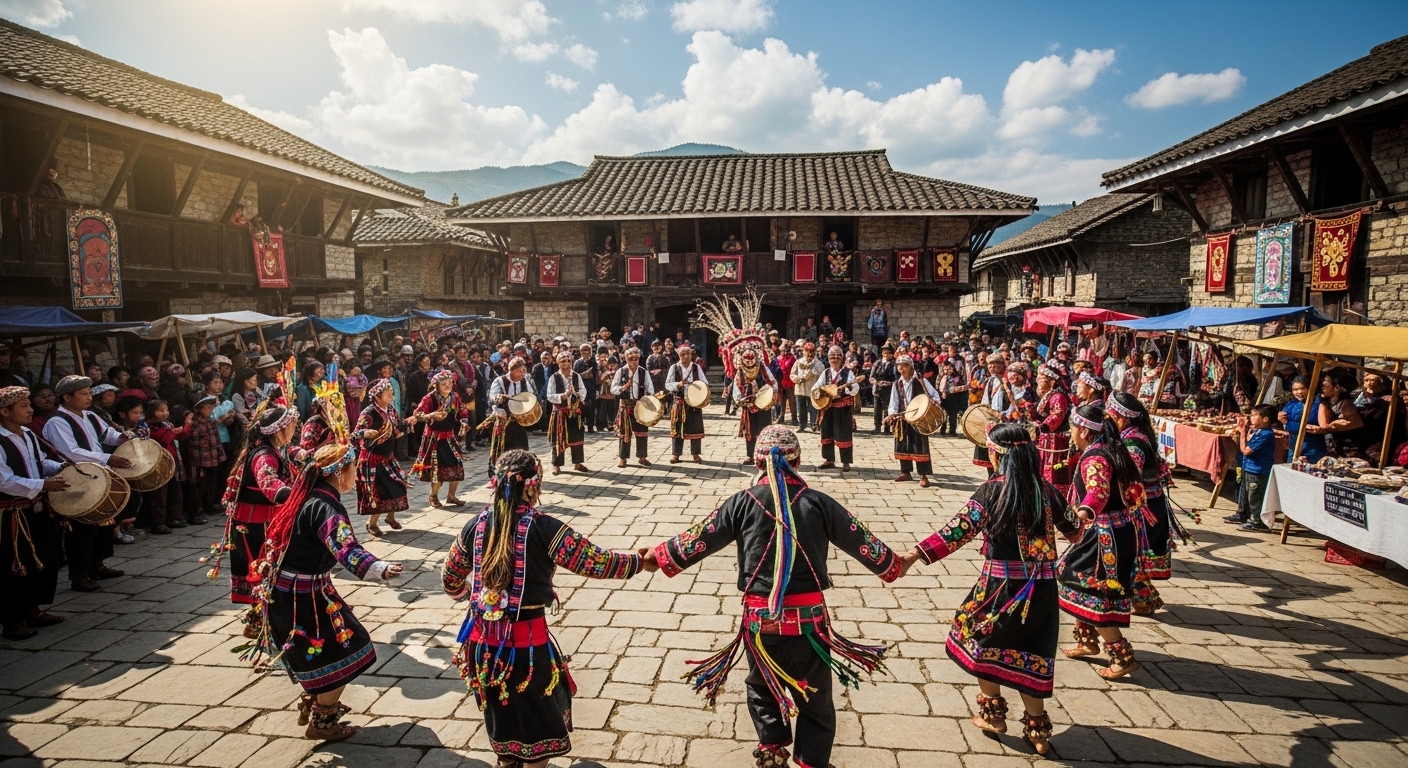
Have you ever felt music move your body without even trying? Imagine standing in a village square as dancers perform in colorful costumes, drums echoing in the background, and the crowd clapping in rhythm. This is the magic of traveling through regions known for traditional dance forms.
Why Traditional Dance Travel is Becoming Popular
Modern travelers increasingly want immersive experiences instead of passive sightseeing. Traditional dance provides a direct connection to local culture. Instead of observing from a distance, travelers engage with communities, attend festivals, and sometimes even learn dance steps.
Travelers also seek authenticity. Dance performances are often deeply rooted in local identity. You witness emotions, stories, and traditions expressed in a way that feels real and powerful. These experiences create lasting memories.
Another reason is cultural education. Traditional dances often reflect history, mythology, and social values. Learning about them helps travelers better understand the region they are visiting.
Some regions have even preserved their dance traditions as part of their cultural identity. UNESCO recognizes several dance forms as part of intangible cultural heritage. You can explore more about this through UNESCO Intangible Cultural Heritage.
Regions Famous for Traditional Dance Forms
Across the globe, many regions are known for their unique and captivating dance traditions. Each offers a different rhythm, story, and experience.
In India, classical and folk dances such as Bharatanatyam, Kathak, and Bhangra showcase storytelling through expressive movement. Travelers often explore these performances while visiting cultural hubs like Rajasthan and Kerala.
In Spain, Flamenco stands out as a passionate dance combining guitar, singing, and rhythmic footwork. Travelers visiting Spain often attend Flamenco shows in cities like Seville.
In West Africa, traditional dances reflect strong community ties and spiritual beliefs. Countries like Ghana and Senegal are known for energetic drumming and expressive movements.
In Japan, traditional dances such as Bon Odori are performed during festivals to honor ancestors. Travelers can experience these dances during summer festivals in cities like Kyoto.
In Brazil, Samba brings energy and celebration to life, especially during Carnival. Travelers visiting Brazil can witness Samba performances in Rio de Janeiro.
In Ireland, traditional step dancing combines fast footwork and rhythmic music. Visitors often experience this during cultural shows and festivals.

Experiences Travelers Can Enjoy
Watching Live Performances
Live dance performances offer the most authentic experience. Festivals, cultural centers, and village celebrations often host these performances. Travelers can witness elaborate costumes, live music, and storytelling through movement.
These performances are not just shows. They are expressions of cultural identity. Audiences often feel connected to the emotions conveyed through dance.
Participating in Dance Workshops
Many regions offer dance workshops for travelers. These sessions teach basic steps and provide insights into the meaning behind each movement. Travelers often find these experiences fun and educational.
Learning even a few steps helps travelers connect more deeply with the culture. It also creates memorable interactions with local instructors.
Attending Cultural Festivals
Festivals are the best time to experience traditional dance. Events such as Carnival in Brazil or Diwali celebrations in India often include large-scale performances.
These festivals bring entire communities together. Travelers become part of the celebration and witness traditions in their most vibrant form.
Visiting Cultural Villages and Heritage Centers
Many regions have cultural centers that preserve and showcase traditional dances. These centers often include live demonstrations, exhibitions, and storytelling sessions.
Travelers can learn about the history of dance, costumes, and musical instruments used in performances.
Emotional Impact of Traditional Dance Travel
Traditional dance creates emotional connections that go beyond sightseeing. Watching performers express joy, sorrow, or celebration through movement can be deeply moving.
Travelers often describe feeling inspired and connected to the culture. These moments stay in memory long after the journey ends.
Have you ever watched a performance that gave you goosebumps? That feeling is common when experiencing traditional dance.
Respecting Cultural Traditions
While enjoying traditional dance, travelers must respect cultural norms. Some dances hold spiritual or religious significance. Photography may not always be allowed.
Visitors should always ask permission before recording or taking pictures. Respect ensures that traditions remain preserved and valued by local communities.
Responsible travel enhances the experience for both visitors and hosts.
Challenges in Preserving Traditional Dance
Globalization and modernization pose challenges to traditional dance preservation. Younger generations may move toward modern lifestyles, leaving traditional practices behind.
However, many communities and organizations work to preserve these traditions. Festivals, schools, and cultural programs help keep traditional dance alive.
Tourism also plays a role in supporting these art forms. Travelers who attend performances and workshops help sustain local artists.
Organizations like UNESCO actively support cultural preservation efforts worldwide.

Tips for Travelers Exploring Dance Destinations
Research Local Festivals
Plan your visit during festivals to witness dance performances at their best.
Engage with Local Communities
Talk to performers and learn about their traditions. These conversations add depth to your experience.
Support Local Artists
Purchase tickets, attend workshops, and buy handmade items to support the community.
Respect Cultural Boundaries
Follow local rules and guidelines to ensure respectful interaction.
Reflect on Your Experience
Traveling through regions known for traditional dance forms changes how you view culture. You begin to see dance not just as entertainment but as a language of identity and emotion.
These journeys remind us that culture lives through people, stories, and traditions. Dance becomes a bridge that connects travelers with communities across the world.
Which traditional dance would you love to experience in person? Have you ever attended a cultural performance that left a lasting impression?
We would love to hear your thoughts and travel stories. Share your experiences and tell us which destinations inspired you the most.
Stay connected with WentWorld for more inspiring travel experiences, cultural journeys, and destination guides. Follow us on social media to explore the world through stories, traditions, and unforgettable moments.
Catch up on the top stories and travel deals by subscribing to our newsletter!